- Call / Whatsapp : +92 300 8467101
- PKR - Pakistan

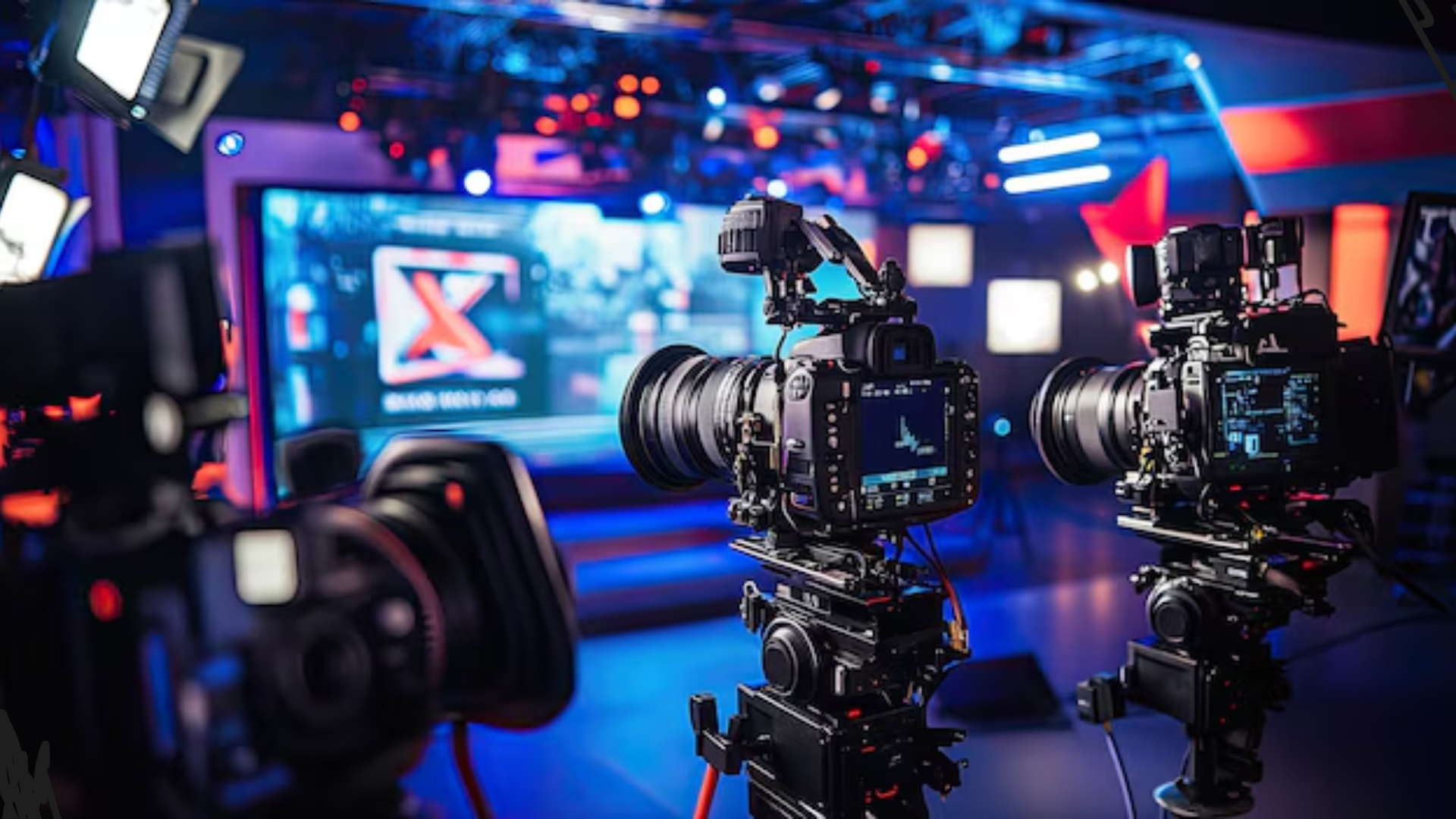
 Understanding the Essentials of a Broadcast-Ready Camera Setup
In the fast-paced world of broadcast media, every frame counts. Whether you’re streaming a live event, producing a news segment, or capturing a sports highlight, the quality of your camera setup can make or break your production. Ikegami, a trusted name in broadcast solutions, has been equipping professionals with high-quality cameras and equipment for decades. But what exactly goes into a broadcast-ready camera setup? This article dives deep into the essentials—think cameras, lenses, signal processing, and more—to help you build a rig that delivers stunning visuals and seamless performance. Perfect for producers, cinematographers, and tech enthusiasts reading the MKS Blog, this guide will boost your broadcast game while keeping your setup optimized for search engines and audience engagement.
A broadcast-ready camera setup involves much more than simply choosing a high-quality camera; it’s an intricate combination of specialized components working in harmony to deliver professional-grade video. From the camera body and lens to audio capture devices, lighting systems, power solutions, and signal routing, every element plays a critical role in ensuring seamless, high-resolution output suitable for live or recorded broadcasting. This cohesive system must be meticulously configured and calibrated to meet the demanding standards of television networks, live streaming platforms, and production studios. It's not just about image clarity—reliability, compatibility, and real-time performance are equally essential. In essence, a broadcast-ready setup is a carefully orchestrated ensemble of tools and technologies that come together to produce visually compelling and technically flawless content.
At the core of every professional broadcast setup lies the camera, serving as the foundational element that determines the overall visual quality and performance of the production. Brands like Ikegami have set industry standards with their advanced broadcast cameras, offering 8K, 4K, and HD models that deliver exceptional image clarity, dynamic range, and reliability. These cameras are engineered with versatility in mind, allowing them to adapt seamlessly to various production environments—whether it's a live event, news broadcast, studio shoot, or outdoor coverage.
Resolution: 4K is now standard, with 8K on the horizon for future-proofing.
Dynamic Range: At least 12-14 stops to handle bright highlights and deep shadows.
Frame Rates: 60fps or higher for smooth motion, critical in sports or live action.
Why it matters: A camera like the Ikegami HDK-99 delivers crisp visuals with low noise, ensuring your audience stays glued to the screen.
No camera is complete without the right lens. Ikegami’s broadcast solutions pair beautifully with high-quality lenses tailored for television and video production.
Zoom Lenses: Essential for dynamic shots—think 20x or 40x optical zoom for flexibility.
Prime Lenses: Ideal for controlled studio environments with shallow depth of field.
Aperture: A fast lens (f/1.8 or lower) excels in low-light conditions.
Pro Tip: Match your lens to your shooting environment—wide-angle for tight studio spaces, telephoto for outdoor events.
 Signal Processing: Keeping Quality Intact
Broadcasting goes far beyond simply capturing footage—it’s fundamentally about delivering that footage with absolute precision, clarity, and reliability from the moment it’s recorded to the instant it appears on screen. The entire process demands a seamless workflow where every signal remains intact, free from distortion or delay, regardless of the complexity of the production environment. This is where Ikegami’s advanced image processing technology plays a vital role. Their systems are meticulously engineered to preserve signal integrity throughout the entire broadcast chain, ensuring that the visual output maintains the same quality, color accuracy, and detail that was captured at the source.
Base Station: Converts raw footage into broadcast-compatible signals (e.g., SDI or IP).
Color Correction: Built-in tools to tweak white balance and gamma in real time.
Latency: Aim for under 1ms to avoid lag in live broadcasts.
This is where Ikegami shines—its transmission equipment keeps your signal clean, even over long distances.
A camera alone won’t cut it. Here’s the supporting cast that makes your setup broadcast-ready.
Shaky footage is a broadcast no-no. Invest in:
Fluid Head Tripods: Smooth pans and tilts for professional motion.
Gimbals: For handheld shots or mobile setups (think ENG crews).
Ikegami’s POV cameras pair well with lightweight tripods, offering stability without bulk.
Video without sound is incomplete. A broadcast setup needs:
Microphones: Shotgun mics for directional audio or lavaliers for interviews.
Mixers: To balance multiple audio sources in real time.
While Ikegami focuses on visuals, pairing their cameras with external audio solutions ensures a polished final product.
Relying solely on what the camera captures isn’t enough in professional broadcasting; visual accuracy and quality assurance demand more than just a good lens. That’s why monitors and control units are indispensable components of any broadcast-ready setup. High-quality monitors allow producers, directors, and camera operators to evaluate the footage in real time, ensuring that color balance, exposure, framing, and focus are all perfectly aligned with broadcast standards.
Field Monitors: Ikegami’s 4K & HD monitors offer accurate color and detail.
Waveform Scopes: Check exposure and color levels on the fly.
Remote Control: Adjust settings without touching the camera.
This keeps your crew in sync, especially during live multi-camera shoots.
Now that you know the pieces, how do you put them together? Here’s a step-by-step approach:
Assess Your Needs: Are you shooting in a studio or on location? Indoor setups might prioritize prime lenses and lighting, while outdoor gigs need zoom lenses and rugged gear.
Cable Management: Use SDI or fiber optic cables (supported by Ikegami’s transmission systems) for reliable connectivity.
Test Your Signal Chain: Run a dry test from camera to base station to broadcast output. Check for latency or dropouts.
Calibrate Everything: Sync frame rates, calibrate monitors, and balance audio levels before going live.
Example: A newsroom using Ikegami’s HD cameras might pair them with a 20x zoom lens, a fluid head tripod, and a 4K monitor—all tied into a base station for instant transmission.

Ikegami’s legacy in broadcast isn’t just hype. Their cameras and equipment are built for:
Reliability: Trusted by networks worldwide for zero-fail performance.
Scalability: From small POV cameras to full 8K rigs, they’ve got you covered.
Innovation: Features like advanced image processing keep them ahead of the curve.
Compared to competitors, Ikegami balances quality and practicality—perfect for MKS Blog readers looking to upgrade their setups.
Even pros make mistakes. Watch out for:
Overlooking Lighting: Cameras need good light to shine—invest in LED panels or soft boxes.
Ignoring Backup Power: Battery packs or UPS systems prevent mid-shoot disasters.
Skipping Maintenance: Clean lenses and check cables regularly to avoid glitches.
A broadcast-ready camera setup isn’t a luxury—it’s a necessity for delivering professional-grade content. With Ikegami’s high-quality cameras, robust signal processing, and the right supporting gear, you’re set to captivate your audience, boost web traffic, and generate leads through stellar video. Ready to take the plunge? Explore Ikegami’s broadcast solutions on the MKS Blog and start crafting your perfect setup today. What’s your next broadcast project? Let us know in the comments!
We are proud of the quality of service we provide for all orders and questions from customers. Our customer care team's combined experience and skills, together with our wide choice of products and quick order fulfilment, have helped us establish a solid reputation for providing excellent customer support & service.
Any Query Related Sales
09:00AM to 06:00PM
We welcome comments and feedback about how easy you find the Media K Solutions website to use, which can be communicated by clicking on the Contact Page. If you have questions about delivery, products, service or anything else for that matter, please contact us via live-chat, during office hours, email or telephone. Thanks

 en-gb
en-gb Germany