- Call / Whatsapp : +92 300 8467101
- PKR - Pakistan

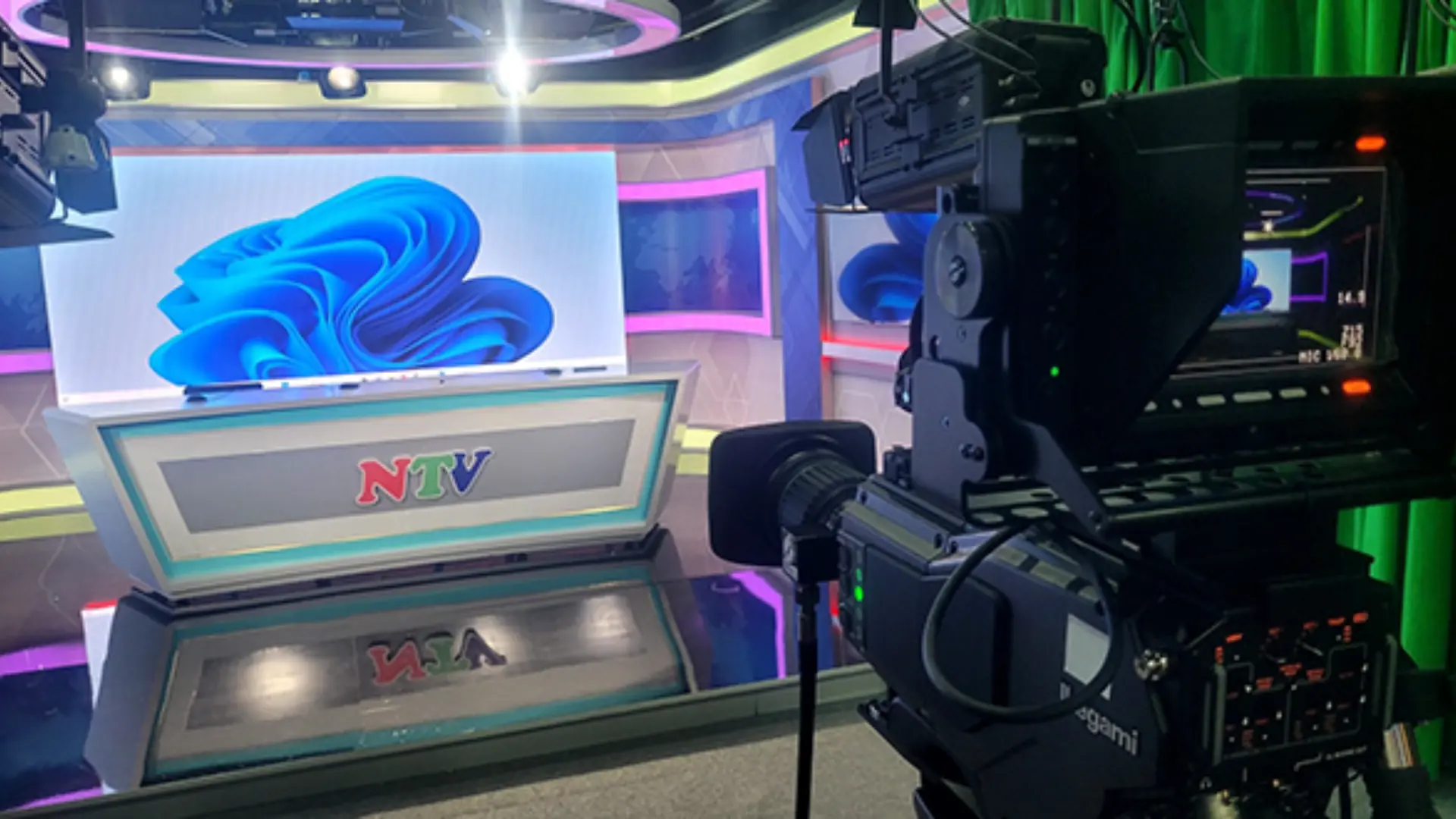
When you watch a stunning 4K broadcast—crisp, vibrant, and lifelike—do you ever wonder what’s behind the magic? It’s not just the lens or lighting; it’s the camera sensor, the unsung hero capturing every pixel. In the broadcast world, sensor technology can elevate your production from good to unforgettable. Ikegami, a pioneer in broadcast solutions, leverages cutting-edge sensors to deliver unparalleled quality. For MKS Blog readers—producers, cinematographers, and tech lovers—this deep dive explores how camera sensor technology impacts broadcast quality and why it’s a game-changer for your next project.
A camera sensor serves as the electronic eye of any imaging system, playing a pivotal role in capturing visual information by converting incoming light into digital data. In the realm of broadcast cameras, the sensor forms the very foundation of image quality, significantly influencing critical aspects such as resolution, color fidelity, and dynamic range. The performance of a broadcast camera is largely determined by the quality and capabilities of its sensor, as it directly affects how accurately and vividly the captured image replicates real-life scenes.
A high-quality sensor ensures sharp, detailed footage with true-to-life colors and the ability to handle varying lighting conditions without losing detail in shadows or highlights. Therefore, when evaluating broadcast cameras, key specifications to consider in the sensor include resolution (which defines the amount of detail in an image), color fidelity (which reflects how accurately the camera reproduces colors), and dynamic range (which determines the camera’s ability to capture both bright and dark areas within the same frame). Each of these parameters plays a crucial role in delivering professional-grade broadcast content that meets the high standards of modern media production.
Size: Larger sensors (e.g., full-frame) capture more light.
Type: CMOS (common in modern cameras) vs. CCD (older tech).
Pixel Count: More pixels mean higher resolution (e.g., 8K).
Ikegami’s broadcast cameras—like the HDK-99 and 8K models—use advanced CMOS sensors to set the standard for TV and live production.
The sensor is far more than just a technical component within a camera—it can be considered the very soul of your footage, profoundly shaping the final visual experience that reaches the audience. It acts as the core element that translates light into digital imagery, determining how scenes are captured and ultimately perceived on screen. The sensor influences every aspect of the image, from sharpness and clarity to how faithfully colors are reproduced and how well details are preserved in both shadows and highlights. In broadcast environments, where visual storytelling must be both compelling and precise, the sensor plays an indispensable role in defining the quality and emotional impact of the content. Its performance governs the texture, tone, and overall aesthetic of the footage, meaning even subtle differences in sensor technology can lead to noticeably different viewing experiences.
Resolution refers to the amount of detail a camera sensor can capture, typically measured in pixels. In broadcast production, resolution has evolved from standard high definition (HD) to ultra-high-definition formats like 4K and even 8K. Higher resolution means sharper images, greater clarity, and the ability to crop or zoom without sacrificing quality. As viewer expectations rise and display technologies advance, 4K is becoming standard in many professional settings, while 8K is paving the way for the next generation of immersive, hyper-detailed content.
Impact: Higher pixel counts deliver sharper images—vital for 4K and 8K broadcasts.
Ikegami Edge: The UHK-430 8K camera boasts a 33-megapixel sensor, rendering every detail with precision.
Why it matters: In a sports replay, a top-tier sensor lets viewers see the sweat on a player’s brow.
Dynamic range refers to a camera sensor’s ability to capture the full spectrum of light in a scene—from the darkest shadows to the brightest highlights—without losing detail. In broadcast environments, this capability is crucial for producing visually rich and balanced images, especially in challenging lighting conditions. A wide dynamic range ensures that subtle details are preserved in both dimly lit and brightly illuminated areas, preventing overexposed skies or underexposed interiors. This mastery of light and shadow adds depth and realism to footage, allowing broadcasters to deliver high-quality visuals that closely mirror what the human eye naturally sees.
Impact: A sensor with 14+ stops captures bright highlights and dark shadows without clipping.
Ikegami Edge: The HDK-99’s sensor handles high-contrast scenes—like a sunlit stadium—flawlessly.
Why it matters: No more blown-out skies or murky blacks—your broadcast looks cinematic.
Low-light performance is a critical attribute of a camera sensor, especially in broadcast situations where lighting conditions are less than ideal—such as evening sports events, concerts, or outdoor news coverage at night. A sensor with strong low-light capabilities can capture clear, detailed images with minimal noise, even in dim environments. This means broadcasters can maintain image quality without having to flood the scene with artificial lighting.
Impact: Larger pixels and back-illuminated designs reduce noise in dim conditions.
Ikegami Edge: Their POV cameras excel in low light, perfect for evening events or indoor shoots.
Why it matters: A concert broadcast stays vivid, even under stage lights.
Color accuracy is essential for delivering visually compelling and authentic broadcast content. A high-quality camera sensor must accurately reproduce the colors in a scene as they appear to the human eye, ensuring that skin tones, landscapes, and objects look natural and true-to-life. This is especially important in live broadcasts, studio productions, and cinematic content where visual fidelity can impact storytelling and viewer perception. Advanced sensors with superior color science and precise calibration can capture subtle nuances and rich tones, avoiding issues like color casts or oversaturation. True color accuracy enhances the emotional connection with the audience and maintains the professional integrity of the broadcast, making it a cornerstone of high-end visual production.
Impact: Advanced color filters and processing yield richer, more accurate tones.
Ikegami Edge: Built-in color correction ensures skin tones pop naturally on air.
Why it matters: Viewers trust a broadcast that feels real, not washed out.
Frame rate refers to the number of frames a camera captures per second (fps), and it plays a crucial role in how smooth and lifelike motion appears on screen. In broadcast production, standard frame rates like 24, 30, and 60 fps are commonly used, with higher frame rates—such as 120 fps or more—reserved for slow-motion effects or high-action sequences like sports. A sensor that supports a wide range of frame rates gives broadcasters the flexibility to adapt to different types of content and creative needs. Smooth motion is essential for maintaining clarity during fast-paced scenes, reducing motion blur, and enhancing the viewer's overall experience. Whether it's a live event, a dramatic moment, or a replay in slow motion
Impact: Fast readout speeds support 60fps or 120fps for fluid action.
Ikegami Edge: The HDK-99 delivers high frame rates without sacrificing quality.
Why it matters: A car chase or dance routine looks seamless, not choppy.
Ikegami doesn’t merely incorporate camera sensors into their broadcast equipment—they elevate sensor technology to an art form, mastering every detail to deliver exceptional performance. With decades of expertise in professional imaging, Ikegami invests heavily in precision engineering and advanced sensor integration to ensure their cameras consistently produce broadcast-quality visuals that meet the highest industry standards. Their sensors are designed not only to capture high resolution and dynamic range but also to excel in color accuracy, low-light conditions, and motion handling. By fine-tuning every element—from pixel architecture to signal processing—Ikegami ensures that their sensors work harmoniously with their proprietary imaging systems, resulting in footage that is sharp, vibrant, and true-to-life.
Modern Ikegami cameras are built with advanced 3-CMOS sensor designs, a sophisticated imaging approach that assigns a dedicated sensor to each primary color—red, green, and blue. Unlike traditional single-sensor Bayer configurations, which rely on interpolation to reconstruct color information, the 3-CMOS system captures full-resolution data for each color channel independently. This results in significantly enhanced color fidelity, allowing for more accurate and vivid color reproduction across a wide range of shooting conditions.
Ikegami’s use of full-frame and Super 35mm sensors brings a significant advantage to studio and cinematic broadcast applications by capturing more light and delivering superior image depth. These larger sensor formats provide a wider surface area for light collection, resulting in improved low-light performance, greater dynamic range, and more detailed, noise-free images. One of the standout benefits of these sensors is their ability to produce a shallow depth of field, which enhances the visual appeal by creating beautiful, natural-looking bokeh that draws attention to the subject while softly blurring the background.
When paired with Ikegami’s advanced base stations, these high-performance sensors benefit from real-time enhancements that further optimize image quality before transmission. The base stations work seamlessly with the cameras to apply sophisticated processing techniques, including noise reduction and gamma adjustments, ensuring that the captured footage is as clean and visually accurate as possible. Noise reduction algorithms help eliminate unwanted grain, especially in low-light conditions, while gamma tweaks adjust the tonal range to preserve detail in both bright highlights and deep shadows.
Example: The UHK-430’s 8K sensor delivers museum-worthy detail for documentaries, while the HDK-99 keeps live news vibrant and sharp.
Selecting the right sensor for your broadcast needs is crucial for ensuring high-quality visuals that meet the demands of your production. Factors such as resolution, dynamic range, low-light performance, and color accuracy all play a significant role in determining the effectiveness of a sensor for a specific environment. For high-paced sports or live events, a sensor with excellent motion handling and low-light capabilities is essential, while cinematic productions may benefit more from sensors that offer greater depth of field and color fidelity. Understanding these requirements and matching them with the sensor's specifications ensures that you can achieve the desired look and feel for your broadcast, whether you're filming in a controlled studio or outdoors in challenging lighting conditions. A well-chosen sensor can elevate your content, making it more engaging and professional.
For studio shoots, the choice of camera sensor is critical to achieving high-quality, consistent visuals under controlled lighting conditions. Studio environments often benefit from sensors with excellent color accuracy, high dynamic range, and precise low-light performance, ensuring that every detail, from the brightest highlights to the darkest shadows, is captured with clarity. Full-frame or Super 35mm sensors are often preferred in studio settings for their ability to produce shallow depth of field and beautiful bokeh, enhancing the visual appeal of the scene.
Need: High resolution, color accuracy.
Pick: Ikegami HDK-99 (4K, 3-CMOS).
When filming live events, such as sports, concerts, or news broadcasts, the camera sensor plays a crucial role in ensuring high-quality, real-time visuals that capture the energy and movement of the moment. For these fast-paced environments, sensors with high frame rates are essential for smooth motion capture, minimizing motion blur and delivering clear, sharp images even during rapid movement. Additionally, sensors with excellent low-light performance allow for clear footage in variable lighting conditions, such as dimly lit stages or outdoor events at dusk.
Need: Fast frame rates, low-light prowess.
Pick: Ikegami HDL-23 (compact, versatile).
When selecting a camera sensor for your broadcast needs, future-proofing is an important consideration to ensure that your equipment remains relevant and capable of meeting evolving production standards. As technology advances, higher resolutions like 4K and 8K are becoming increasingly common, and sensors designed to handle these formats provide a level of versatility that will keep your broadcasts competitive in the years to come.
Need: 8K readiness, scalability.
Pick: Ikegami UHK-430 (33MP sensor).
Pro Tip: Match sensor size to lens—full-frame sensors need compatible glass for optimal results.
The impact of a high-quality camera sensor extends far beyond just capturing images—it influences every aspect of the production pipeline, from image processing to final broadcast delivery. The sensor's performance affects how effectively other components, such as lenses, processors, and base stations, can operate. A powerful sensor enhances image clarity, color fidelity, and dynamic range, enabling post-production teams to work with higher-quality footage, which leads to a smoother editing and color grading process.
Lenses: High-quality optics (e.g., Canon EF or PL mounts) maximize sensor potential.
Signal Chain: Ikegami’s CCUs and fiber links preserve sensor data end-to-end.
Monitoring: 4K monitors like Ikegami’s HLM series ensure you see what the sensor captures.
Weak links—like cheap cables or mismatched gear—can undo a sensor’s brilliance.
The impact of advanced camera sensors can be seen in countless real-world success stories where high-quality imaging has played a pivotal role in creating compelling broadcasts. For instance, in live sports broadcasting, cameras with exceptional low-light performance and high frame rates have revolutionized how fast-paced action is captured, providing viewers with crystal-clear, immersive experiences regardless of the time of day.
Newsroom: A network using the HDK-99 saw a 20% viewer retention boost thanks to sharper, more vibrant feeds (internal study, 2024).
Wildlife Broadcast: The UHK-430’s 8K sensor captured a documentary’s fine feather details, earning critical acclaim.
To fully harness the power of advanced sensor technology in broadcast production, it’s essential to understand how different sensor attributes can enhance your specific workflow. Here are some tips to maximize the benefits of sensor tech:
Test Your Setup: Shoot in varied lighting to see how your sensor performs.
Update Firmware: Ikegami often releases sensor optimizations—stay current.
Pair Wisely: Use lenses and processing that match your sensor’s strengths.
Train Your Eye: Learn to spot sensor-driven flaws (e.g., noise) on monitors.
Camera sensor technology isn’t just a spec sheet detail—it’s the heartbeat of broadcast quality. Ikegami’s advanced sensors deliver resolution, dynamic range, and color that captivate viewers and drive engagement. For MKS Blog readers, this is your chance to upgrade your rig, boost web traffic, and generate leads with stunning visuals. Ready to harness sensor power? Explore Ikegami’s broadcast cameras today and share your favorite shoot in the comments!
We are proud of the quality of service we provide for all orders and questions from customers. Our customer care team's combined experience and skills, together with our wide choice of products and quick order fulfilment, have helped us establish a solid reputation for providing excellent customer support & service.
Any Query Related Sales
09:00AM to 06:00PM
We welcome comments and feedback about how easy you find the Media K Solutions website to use, which can be communicated by clicking on the Contact Page. If you have questions about delivery, products, service or anything else for that matter, please contact us via live-chat, during office hours, email or telephone. Thanks

 en-gb
en-gb Germany

