- Call / Whatsapp : +92 300 8467101
- PKR - Pakistan

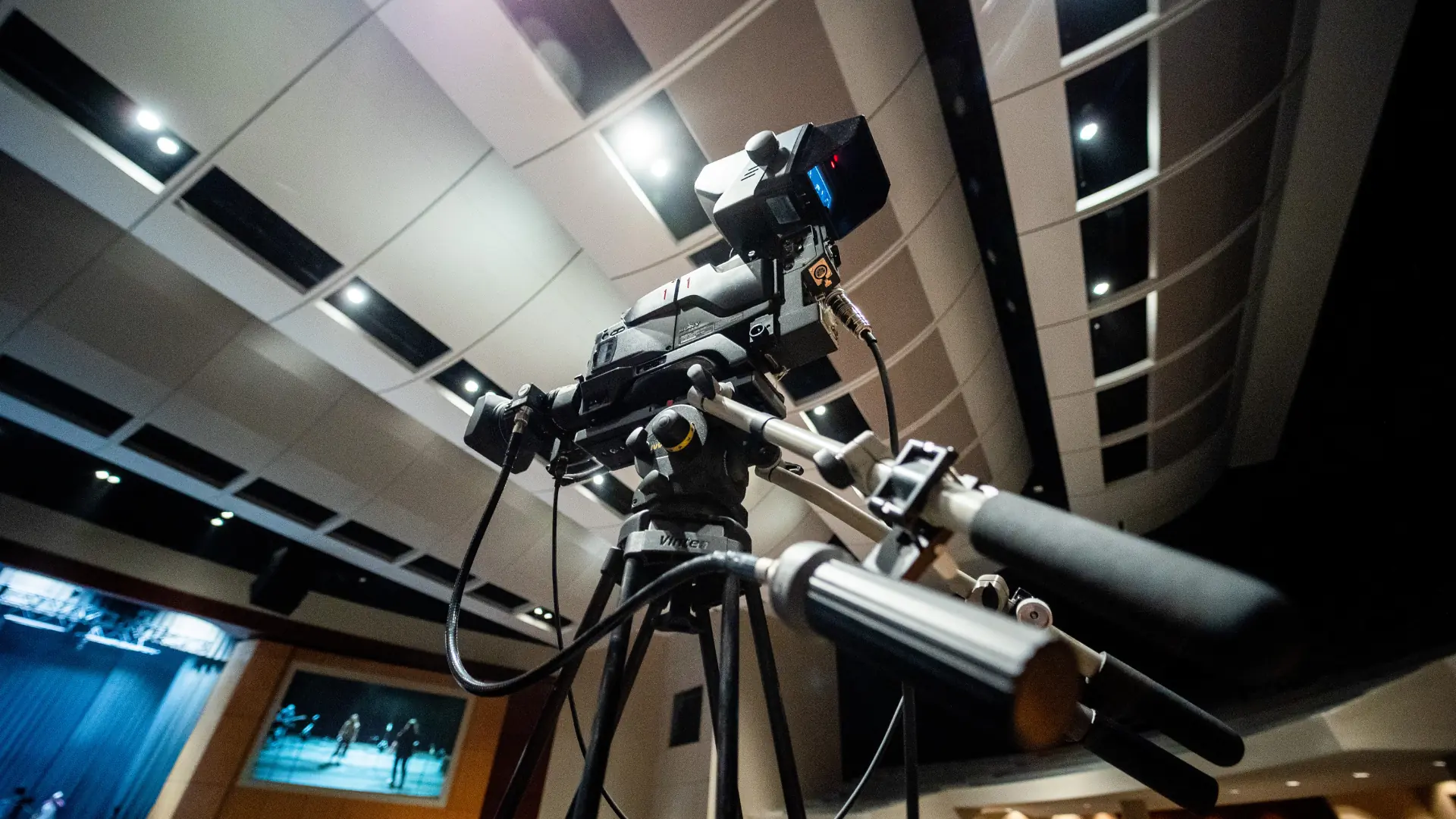
In the dynamic broadcasting environment of 2025, video content is the cornerstone of every broadcast. Whether delivering live sports coverage, breaking news, or entertainment programming, broadcasters must ensure high-quality video content reaches audiences seamlessly. The backbone of this process is video source management, which guarantees that video feeds—whether live from cameras or pre-recorded from servers—are available precisely when needed.
Advancements in broadcasting technology have increased the complexity of managing multiple video sources, including live feeds, graphics, satellite signals, and remote locations. Broadcasters require robust systems to integrate and access video inputs efficiently. Streamlining video source management enhances operational efficiency, minimizes errors, improves broadcast quality, and accelerates decision-making. This article dives into the strategies, tools, and benefits of optimizing video source management, offering broadcasters a roadmap to thrive in the competitive media landscape.

Video source management is the process of organizing, controlling, and distributing video signals within a broadcast facility. Broadcasters rely on diverse video sources, such as:
Live camera feeds from on-site or remote locations.
Graphics servers for overlays and animations.
Pre-recorded content is stored on media servers.
Satellite signals for global feeds.
Remote feeds from mobile devices or distant studios.
These sources must be seamlessly integrated to allow production teams to switch between them effortlessly during live broadcasts or pre-produced shows. At its core, video source management ensures video sources are delivered in the correct format, resolution, and quality at the right moment. This involves selecting, routing, and processing video signals to meet production demands.
For example, during a live sports event, a broadcaster might need to switch between a wide-angle camera, a player close-up, and a replay feed within seconds. Effective video source management makes this possible without disruption, ensuring a polished viewing experience.
Managing video sources in a live broadcasting environment is fraught with challenges. Below are the most pressing issues broadcasters face:
Proliferation of Video Sources: The rise of cameras, mobile devices, drones, and remote feeds has exponentially increased the number of video sources. For instance, a single live event may involve dozens of camera angles, requiring real-time access and instant switching without disruption.
Diverse Formats and Resolutions: Video sources arrive in varied formats (e.g., HD, 4K, 8K) and aspect ratios, complicating management. Broadcasters need systems that standardize high-quality output across all resolutions to maintain consistency.
Latency and Synchronization: In live broadcasts, even a millisecond delay can ruin the viewing experience. Video sources must be perfectly synchronized to avoid lag or inconsistency, especially when combining live feeds with graphics or replays.
Remote Feed Complexity: Remote broadcasting, such as correspondents reporting from global locations, introduces transmission delays and quality issues. Managing these remote feeds alongside on-site sources adds significant complexity.
Cost and Resource Optimization: Implementing efficient video source management requires investments in equipment, software, and personnel. Broadcasters must balance performance with cost efficiency to avoid overspending.

To overcome these challenges, broadcasters can adopt strategies and tools to streamline video source management. Here are proven best practices:
A centralized control system is the cornerstone of efficient video source management. It enables broadcasters to monitor and control all video sources from a single location, reducing operational complexity. Production teams can switch between camera feeds, video clips, and graphics using a software interface, minimizing human error.
For example, during the 2024 Olympics, broadcasters used centralized systems to manage hundreds of live feeds across multiple venues, ensuring seamless transitions. Modern broadcasting systems integrate software platforms with hardware, automating switching tasks and enhancing real-time decision-making.
Video routers direct video signals to specific destinations, such as production consoles or broadcast servers. Think of a video router as a digital switchboard, routing signals efficiently. Advanced switchers facilitate seamless transitions between video sources, critical for live broadcasts.
Investing in high-quality video routers and switchers automates feed management, ensuring signals reach the correct output on time. For instance, a broadcaster covering a music festival can use switchers to transition smoothly between stage cameras and audience shots, enhancing the viewing experience.
An integrated broadcast system (IBS) unifies video sources, routers, servers, and control systems into a single platform. This eliminates the need for disparate systems that don’t communicate, streamlining management of video signals, audio feeds, and graphics content.
An IBS ensures quick switching, consistent formatting, and high-quality output. It also fosters collaboration among team members by providing a unified platform. For example, a newsroom using an IBS can integrate live reporter feeds, studio cameras, and graphics in real time, delivering polished broadcasts.
Cloud technology is revolutionizing video source management by offering flexibility, scalability, and remote accessibility. Cloud-based solutions allow broadcasters to manage video sources from anywhere, with real-time updates and minimal latency.
These systems enable broadcasters to scale operations, adding video sources or managing live streams as needed. Cloud solutions also reduce infrastructure costs, as physical hardware requirements diminish. For instance, a broadcaster covering a global election can use cloud-based systems to manage remote feeds from multiple countries efficiently.
A robust tagging system organizes video sources with metadata, such as feed source, resolution, aspect ratio, or content type (e.g., news, sports, entertainment). Proper tagging ensures quick access during production, boosting workflow efficiency.
For example, a sports broadcaster can tag video clips as “highlights” or “replays,” allowing operators to locate content instantly. This reduces errors and saves time during fast-paced live broadcasts.
Artificial Intelligence (AI) is transforming video source management by automating complex tasks. AI-powered tools can detect and switch to the most relevant video sources based on pre-set criteria, eliminating manual intervention.
In live sports broadcasting, AI can analyze video content in real time, switching to a camera feed capturing a key moment, like a goal in soccer. During the 2023 FIFA Women’s World Cup, broadcasters used AI to prioritize highlight-worthy feeds, enhancing broadcast quality. AI also optimizes resource allocation, reducing operational costs.
Even the best tools require skilled operators. Regular training ensures production teams stay updated on video routers, cloud-based systems, AI tools, and metadata tagging. Well-trained staff maximize system potential, delivering smoother broadcasts.
Training should include hands-on sessions with broadcast automation tools and simulations of live broadcast scenarios. For example, operators can practice switching between remote feeds and studio cameras to prepare for real-world challenges.
To illustrate the impact of streamlining video source management, consider these real-world examples:
2024 Olympics: Broadcasters like NBC used centralized control systems and AI-powered tools to manage over 500 live feeds across 30 venues. Cloud-based solutions enabled remote production teams to access video sources in real time, delivering flawless coverage to global audiences.
CNN’s Election Coverage: During the 2024 U.S. presidential election, CNN implemented an IBS to integrate live reporter feeds, studio cameras, and graphics. Video source tagging allowed operators to locate state-specific feeds instantly, ensuring timely updates.
ESPN’s NFL Broadcasts: ESPN leveraged AI to automatically switch to camera feeds capturing touchdowns or critical plays, reducing manual switching time by 40%. Video routers ensured high-quality output, enhancing the viewing experience.
These cases highlight how streamlined video source management drives efficiency, quality, and innovation in broadcasting.
Optimizing video source management yields significant advantages:
Enhanced Efficiency: Centralized systems and automation reduce time spent searching or switching sources, enabling faster decision-making in live broadcasts.
Improved Broadcast Quality: Seamless switching and high-quality routing minimize interruptions and deliver superior image resolution, elevating the viewing experience.
Cost Savings: Efficient systems lower operational costs by reducing errors and manual labor. Cloud solutions cut infrastructure expenses.
Scalability and Flexibility: Streamlined management allows broadcasters to add video sources or adapt to new formats (e.g., 8K) without compromising efficiency.

As the broadcasting industry evolves, several trends are shaping video source management:
5G Integration: 5G networks reduce latency for remote feeds, enabling broadcasters to manage high-resolution video sources with minimal delay. By 2026, 5G is expected to power 60% of live broadcasts.
Virtualized Production: Cloud-based virtual studios allow broadcasters to manage video sources without physical hardware, increasing flexibility and reducing costs.
AI-Driven Personalization: AI will enable broadcasters to tailor video feeds to specific audiences, such as delivering regional highlights during global events.
Sustainability: Cloud solutions and energy-efficient hardware are reducing the carbon footprint of broadcast operations, aligning with industry sustainability goals.
Effective video source management is the backbone of modern broadcast operations. By streamlining video source handling with centralized systems, AI, cloud solutions, and robust training, broadcasters can deliver high-quality content, boost operational efficiency, and maintain a competitive edge. From on-site cameras to remote feeds, optimized management ensures seamless broadcasts that captivate audiences worldwide.
As broadcasting technology advances, embracing innovative tools like 5G and virtualized production will be critical for staying ahead. Ready to transform your video source management? Visit www.mediaksolutions.com to explore cutting-edge broadcast automation solutions or contact us for a consultation.
We are proud of the quality of service we provide for all orders and questions from customers. Our customer care team's combined experience and skills, together with our wide choice of products and quick order fulfilment, have helped us establish a solid reputation for providing excellent customer support & service.
Any Query Related Sales
09:00AM to 06:00PM
We welcome comments and feedback about how easy you find the Media K Solutions website to use, which can be communicated by clicking on the Contact Page. If you have questions about delivery, products, service or anything else for that matter, please contact us via live-chat, during office hours, email or telephone. Thanks

 en-gb
en-gb Germany