- Call / Whatsapp : +92 300 8467101
- PKR - Pakistan

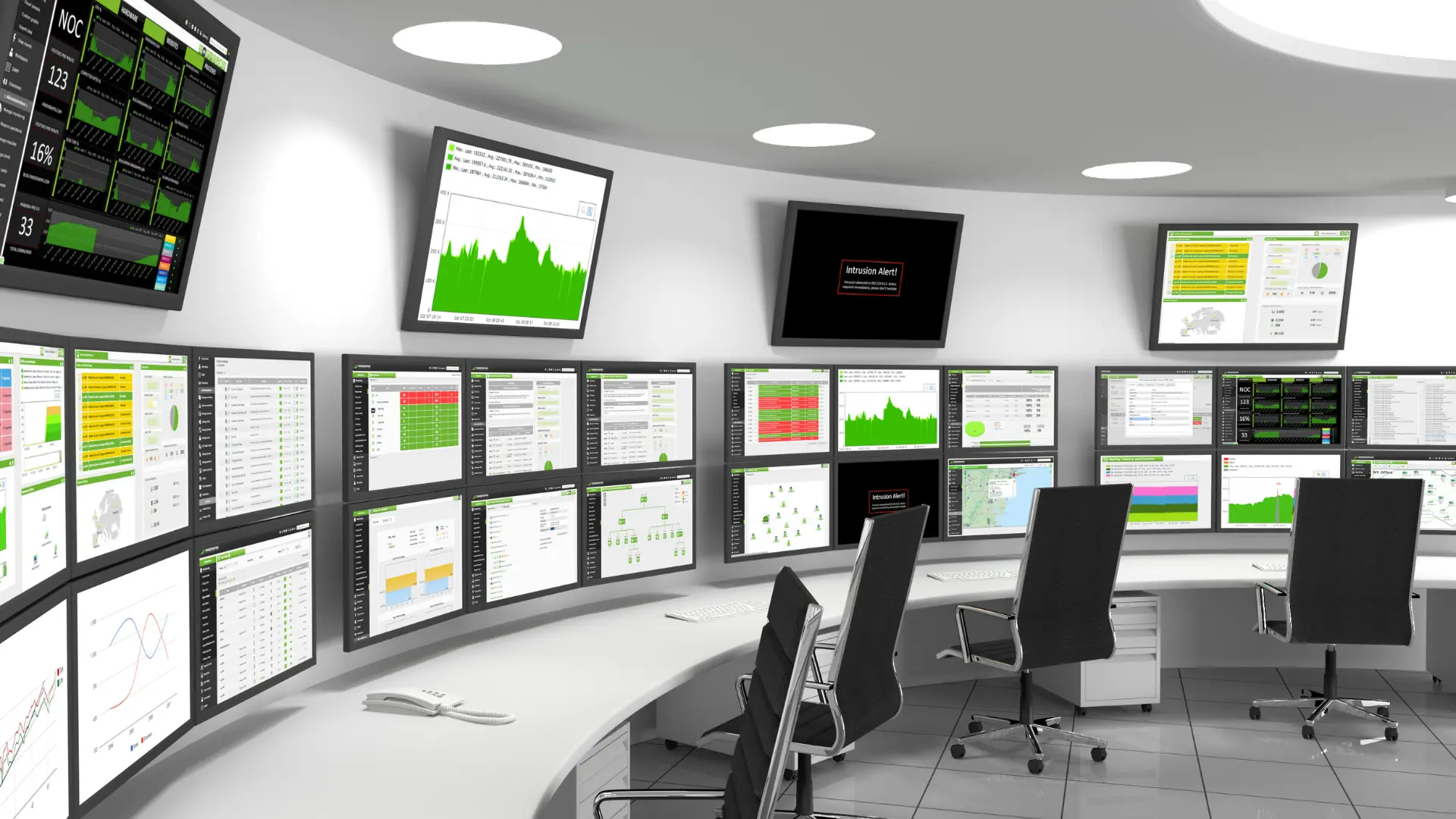
Surveillance has been an institution of security for years, and conventional CCTV systems watching over homes, companies, and public areas. But as threats change, so should the measures we trust. Welcome smart surveillance—a marriage of artificial intelligence (AI) with good old CCTV that turns passive cameras into active sentinels. By incorporating real-time analytics, automation, and intelligence, this converged method is remaking safety and efficiency. What is the science behind combining AI with CCTV, and why does it matter? Let's learn about the dynamics, advantages, and prospects of intelligent surveillance.
Classical CCTV has been a security mainstay since the 1940s, recording for delayed viewing. More than 770 million cameras are in use today, according to a 2023 IHS Markit report, but the majority of them are only reactive—beneficial after an event. AI reverses that. By combining machine learning, computer vision, and data processing, intelligent surveillance transforms passive systems into active solutions. A 2022 security survey discovered 68% of organizations intend to implement AI-powered CCTV by 2025, marking a significant change. Here's why this fusion takes security to the next level.

AI improves conventional CCTV systems by incorporating sophisticated algorithms that facilitate real-time analysis, pattern detection, and self-driven decision-making. While conventional CCTV only records video, AI-based systems can detect specific events, including suspicious behavior, unauthorized entry, or security violations, without round-the-clock human observation. Such systems employ machine learning to progressively refine their detection capability, eliminating false alarms and raising more relevant alerts. AI may also support facial recognition, object tracking, and anomaly detection to facilitate more intelligent, anticipatory security solutions. Such integration increases the efficiency of CCTV systems, lessening dependency on human monitoring while raising the overall security and responsiveness.
Real-time threat detection enables immediate identification of risks in healthcare and security. Imaging technologies like CT scans, X-rays, and ultrasound allow quick detection of abnormalities, while thermal cameras and motion sensors provide rapid identification of threats. This enhances safety and allows for swift response, preventing harm or escalation.
Object Recognition: Identifies weapons, cars, or suspicious objects in an instant.
Behavior Analysis: Detects anomalies such as loitering or sudden movement.
Alert Systems: Triggers instant alerts to security personnel.
An AI-CCTV in a retail store identifies a shoplifter stealing items into their pocket, warning staff before they leave.
Keyword Tip: "AI surveillance detection" and "real-time CCTV monitoring" come naturally here.
Facial recognition capabilities use advanced algorithms and imaging technologies to identify individuals by analyzing facial features. In healthcare, it can be used for patient identification, ensuring accurate medical records and reducing the risk of errors. In security, it enhances access control and surveillance systems, providing real-time monitoring and improving safety. By quickly verifying identities, facial recognition streamlines processes, increases security, and boosts efficiency across various industries.
Access Control: Compares faces to approved lists for entry.
Suspect Identification: Flags recognized offenders from databases.
Crowd Monitoring: Tracks individuals in high-density areas without delay.
A casino employs facial recognition to identify a prohibited gambler, preventing trouble at the entrance.
Keyword Tip: "Facial recognition CCTV" and "AI smart surveillance" enhance relevance.
Automated analytics uses advanced algorithms and imaging technologies to process and analyze data quickly and accurately. In healthcare, it can interpret medical images like X-rays, MRIs, and CT scans, identifying patterns or anomalies that may require further attention. By automating this process, healthcare professionals can focus on critical tasks, improving efficiency and reducing human error. In other industries, automated analytics optimizes decision-making, enhances productivity, and provides deeper insights, allowing for more proactive responses and streamlined operations.
Pattern Detection: Reveals trends (e.g., hours of highest theft).
Heat Mapping: Displays high-traffic areas for optimal camera placement.
Event Logging: Tags incidents with timestamps and information.
A warehouse manager makes use of AI heat maps in order to rearrange cameras, reducing blind spots by 30%.
Keyword Tip: "Automated CCTV analytics" and "smart surveillance insights" aim efficiency searches.

The use of AI in CCTV systems has much to offer when it comes to security and operations. For security, AI supports real-time threat detection, and the need to rely on human operators is decreased, as is response time. Facial recognition, motion detection, and anomaly tracking enable faster identification of risk potential, thereby accelerating intervention. Operationally, AI-based systems enhance productivity by automating mundane surveillance activities, for instance, scanning large amounts of footage for precise events or activities. This enables security personnel to concentrate on high-severity incidents. In addition, AI can optimize resource utilization, minimize false alarms, and deliver actionable insights by way of data analytics, all of which contribute to making security operations more effective and cost-efficient.
Improved safety is a key benefit of advanced imaging technologies and real-time monitoring systems. In healthcare, tools like 4K endoscopy, X-rays, and ultrasound provide clear, detailed visuals that help minimize errors during procedures, reducing the risk of complications and enhancing patient care. In security, real-time monitoring systems with facial recognition and motion sensors increase safety by quickly identifying potential threats and allowing for rapid response. These technologies help ensure that both patients and personnel are protected, creating safer environments across various sectors.
Proactive Response: Preempts incidents from escalating.
24/7 Vigilance: AI doesn't sleep, as compared to manned guards.
Accuracy: Minimizes false positives with accurate detection.
An AI-CCTV at a school detects an intruder at midnight, alarm and police response in minutes.
Keyword Tip: "Smart surveillance safety" and "AI-enhanced CCTV security" resonate with safety-driven readers.
AI simplifies operations management by automating routine tasks, optimizing workflows, and providing actionable insights in real time. In healthcare, AI can assist in managing patient data, scheduling, and resource allocation, ensuring smoother operations and reducing human error. In business, AI-driven analytics help optimize supply chains, predict demand, and improve decision-making, leading to more efficient and cost-effective operations. By streamlining processes and offering predictive capabilities, AI enhances productivity, improves efficiency, and enables faster responses to operational challenges.
Fewer Staff Required: Automation reduces dependence on live monitoring.
Quicker Investigations: Searchable footage locates events in seconds.
Integration: Coordinates with alarms, lights, or access systems.
A factory integrates AI-CCTV into its gate system, automatically locking doors when unauthorized access is recorded.
Keyword Tip: "Efficient smart surveillance" and "AI CCTV operations" strike workflow searches.
Upgrading CCTV with AI pays off by enhancing surveillance systems with smarter, more efficient capabilities. AI-powered CCTV cameras can automatically detect unusual behaviors, recognize faces, and identify potential security threats in real time, reducing the need for constant manual monitoring. This technology enables faster response times, better threat detection, and improved overall security. Additionally, AI-driven analytics can provide valuable insights for crime prevention and resource allocation, making the investment in upgraded CCTV systems a cost-effective and highly efficient solution for maintaining safety.
Reduced Losses: Prevents theft or vandalism proactively.
Lower Labor Costs: Less need for round-the-clock guards.
Scalability: Add AI to existing cameras without full replacement.
A small business saves $10,000 yearly by cutting security staff after installing AI analytics.
Keyword Tip: “Cost-effective AI surveillance” and “smart CCTV savings” target budget queries.
The most important technologies powering smart surveillance are Artificial Intelligence (AI), Machine Learning, Internet of Things (IoT), Cloud Computing, and High-Definition (HD) Cameras. AI and machine learning provide real-time video analysis, enabling automatic detection of suspicious behavior, facial recognition, and anomaly detection without the need for human intervention. IoT networks cameras and sensors to form a network of devices that can be coordinated to provide better monitoring and control. Cloud computing allows for the storage and access of surveillance data remotely, enabling easy retrieval and analysis. Additionally, HD cameras with enhanced resolution and low-light capabilities provide clearer, more detailed footage, improving the overall effectiveness of surveillance systems. Together, these technologies enable smarter, more efficient, and proactive security solutions.
Computer Vision is a branch of artificial intelligence (AI) that enables machines to interpret and understand visual information from the world. Through advanced algorithms, it allows systems to process and analyze images and videos, recognizing objects, tracking movements, and even making decisions based on the visual data. In healthcare, computer vision aids in diagnosing diseases through medical imaging, such as detecting tumors in X-rays or MRIs.
Uses: Detects motion, counts people, or reads plates.
Strengths: Functions in poor light or dense scene conditions.
Example: Puts the eye on a stolen vehicle in a parking lot right away.
Traffic cams in a city employ vision to monitor speeders, coordinating with police databases.
Keyword Tip: "Computer vision CCTV" and "AI surveillance technology" lead tech searches.
Machine Learning is a subset of artificial intelligence that enables computers to learn from data and improve their performance without explicit programming. By using algorithms and statistical models, machine learning allows systems to recognize patterns, make predictions, and adapt to new information over time. In healthcare, machine learning is applied to tasks such as predicting patient outcomes, analyzing medical images, and personalizing treatment plans.
Uses: Becomes smarter to adjust to emerging threats or site-specific trends.
Strengths: Decreases false alarms by improving detection.
Example: Blanks out normal staff but identifies unfamiliar faces.
An AI in a warehouse learns delivery times, concentrating attention on after-hours activity.
Keyword Tip: "Machine learning surveillance" and "smart CCTV learning" expand scope.

Edge Computing refers to the practice of processing data closer to its source, rather than relying on centralized cloud servers. By handling data locally on devices or edge servers, it reduces latency and bandwidth usage, ensuring faster response times and more efficient operations. In industries like healthcare, edge computing enables real-time processing of medical devices, such as wearable health monitors and imaging systems, enhancing patient care and decision-making.
Uses: Processes AI locally, reducing dependence on cloud servers.
Strengths: Low latency, can operate offline if necessary.
Example: Notifies of a break-in during a network failure.
An edge-enabled CCTV at a remote site continues to operate, providing uninterrupted security.
Keyword Tip: "Edge computing CCTV" and "fast AI surveillance" inform product searches.
Practical application of intelligent surveillance entails incorporating advanced technologies such as AI, IoT, and cloud computing into current security systems. This starts with the deployment of high-definition cameras and sensors that are linked via an IoT network, enabling real-time data transmission and monitoring. AI-driven analytics are then used to automatically identify and notify security staff of potential threats, including unauthorized access, abnormal movement, or suspicious activity. Cloud storage allows for secure, remote access and analysis of footage, simplifying the ability to access historical data and perform investigations.
Upgrading existing systems involves enhancing or replacing outdated technology to improve performance, efficiency, and security. This process allows organizations to integrate new features, optimize operations, and take advantage of advancements in AI, machine learning, and cloud computing without completely overhauling their infrastructure. In healthcare, upgrading existing diagnostic equipment, such as X-ray or MRI machines, with the latest software and sensors can significantly improve image quality and speed of diagnosis.
Add-On AI: Software such as SurveillancePro's SmartEye can be used with existing cameras.
Hybrid Approach: Mix smart and traditional cams for cost control.
Cloud or Local: Choose storage based on bandwidth and privacy needs.
A hotel upgrades half its 20 cameras with AI, balancing cost and coverage.
Keyword Tip: “Upgrading CCTV with AI” and “hybrid smart surveillance” enhance practicality.
Picture a retail chain: AI-CCTV captures an on-the-spot thief and saves $5,000 in merchandise. In a parking garage, facial recognition blocks access to a familiar vandal, avoiding damage. Or in a school, behavior analysis detects a fight in progress, allowing personnel to intervene early. These victories—fueled by AI and conventional CCTV, synergistically combined—occur every day in all industries.
Cost: Upgrades for AI cost $1,000-$10,000 per camera. Solution: Scale up as benefits appear.
Privacy: Facial recognition creates privacy concerns. Solution: Apply anonymized data or opt-in policies.
Tech Limits: AI may miss edge cases. Solution: Complement with human monitoring for important areas.
With increased adoption comes declining costs, and privacy infrastructures mature to alleviate these obstacles.
Predictive Analytics: AI predicts crimes by pattern.
IoT Integration: Connects cameras to sensors or drones.
Smarter Cities: Networks of AI-CCTV handle traffic, crowds, and safety.
A 2023 Singapore pilot reduced urban crime by 15% with predictive AI surveillance.
Getting Started
Determine Needs: Align AI features with your threats (e.g., theft vs. trespassing).
Select a System: Use scalable solutions such as SurveillancePro's AI suite.
Test and Train: Pilot in one sector, train employees on alerts and tools.
Monitor Results: Monitor reductions in incidents or time saved to justify rollout.
Combining AI with conventional CCTV makes smart surveillance—a system that not only records but responds, learns, and guards. It improves security, reduces costs, and evolves to counter contemporary threats, all while utilizing existing infrastructure. From real-time detection to automated insights, it's the future of security, today. Ready to level up your watch? Discover SurveillancePro's smart solutions and experience the difference intelligence makes.Contact Us Now to find the right AI solution for your space
We are proud of the quality of service we provide for all orders and questions from customers. Our customer care team's combined experience and skills, together with our wide choice of products and quick order fulfilment, have helped us establish a solid reputation for providing excellent customer support & service.
Any Query Related Sales
09:00AM to 06:00PM
We welcome comments and feedback about how easy you find the Media K Solutions website to use, which can be communicated by clicking on the Contact Page. If you have questions about delivery, products, service or anything else for that matter, please contact us via live-chat, during office hours, email or telephone. Thanks

 en-gb
en-gb Germany