- Call / Whatsapp : +92 300 8467101
- PKR - Pakistan

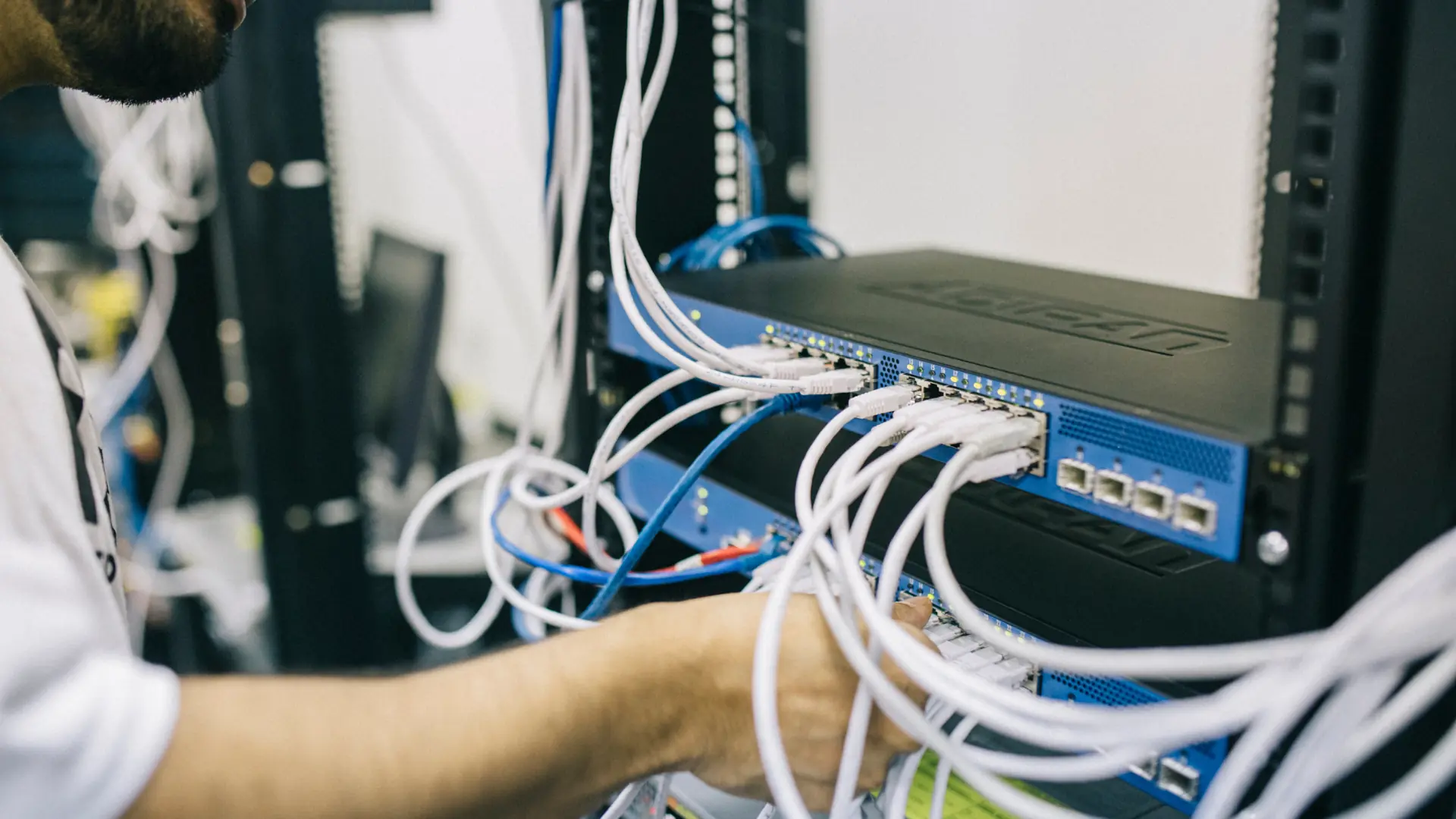

In the age of digital transformation, industries across the globe are reimagining how they manage resources, streamline operations, and serve customers. Among them, utility companies — responsible for electricity, water, gas, and waste management — are undergoing a profound shift from manual processes to data-driven, automated systems. At the heart of this shift lies real-time server access, a powerful capability enabling utilities to monitor, analyze, and act on operational data as it happens.
Real-time server access allows utility providers to make instant decisions, reduce inefficiencies, and predict problems before they escalate — ultimately transforming how energy and resources are distributed, monitored, and maintained. From smart grids and remote metering to predictive maintenance and customer engagement, the possibilities are endless.
In this comprehensive article, we’ll explore how real-time server access is revolutionizing utility operations, enhancing customer experiences, and paving the way for smarter, more sustainable infrastructure.
Real-time server access refers to the continuous availability of data and computing power to monitor and manage systems without delay. In the context of utilities and resource management, this includes the ability to:
Monitor system performance in real time
Detect outages or anomalies instantly
Update configurations and apply patches remotely
Synchronize data from distributed locations
Access usage statistics and billing information on the fly
This level of access enables proactive decision-making, as opposed to the traditional reactive approach that relies on post-event reporting.

With growing populations and increasing energy consumption, utilities are under pressure to deliver reliable services with minimal downtime. Real-time data allows providers to:
Monitor grid load balance
Manage peak usage efficiently
Detect and resolve faults before they affect customers
As more renewable energy sources (like solar and wind) are added to the grid, real-time monitoring becomes essential to manage variability in supply and ensure stability.
Governments and regulatory bodies now demand real-time reporting of emissions, energy usage, and service reliability metrics. Without real-time access, staying compliant becomes a major challenge.
Just like consumers expect instant updates on deliveries or mobile banking, they now demand real-time information on outages, billing, and usage — which requires a fully connected backend infrastructure.
Smart grids leverage IoT and real-time data to automate the distribution of electricity. Key features include:
Automated load balancing
Self-healing mechanisms after faults
Demand-response adjustments
Real-time outage detection and rerouting
Using smart meters and real-time access, utilities can:
Collect accurate consumption data without manual visits
Generate dynamic pricing models
Alert customers about unusual spikes in usage
Enable prepaid billing and instant invoice generation
Combining real-time data with AI, utilities can anticipate and prevent equipment failures. For example:
Detecting temperature anomalies in transformers
Monitoring vibration patterns in water pumps
Identifying stress on pipelines
This minimizes costly downtime and extends asset life.
Municipal systems now use real-time monitoring to:
Detect leaks in pipelines
Manage pressure and flow rates dynamically
Track waste bin levels and optimize collection routes
Real-time server access enables faster response to natural disasters or system overloads by:
Instantly identifying affected zones
Dispatching repair crews with the right data
Communicating updates to customers in real-time

Let’s take a look at the core components that make real-time server access a reality:
Cloud infrastructure ensures scalability and remote access, while edge computing enables local processing of data close to the source — reducing latency and bandwidth usage.
These devices collect data from equipment, homes, and infrastructure, transmitting it to central or distributed servers for analysis.
SCADA systems are used for centralized monitoring and control of industrial processes — ideal for gas pipelines, electrical substations, and water treatment plants.
These tools enable seamless data exchange between different platforms, such as customer service apps, billing software, and control rooms.
With increased connectivity comes increased risk. Real-time server access must be protected by:
Firewalls and encryption
Intrusion detection systems
Access control and auditing
Duke Energy, one of the largest utility companies in the U.S., uses real-time data to manage its smart grid across multiple states. Its operations center receives updates every few seconds from smart meters and sensors, allowing them to:
Detect outages within seconds
Automatically reroute electricity
Send notifications to affected customers
Thames Water uses real-time data from thousands of sensors in its pipes and water treatment plants. This helps:
Identify leaks before they escalate
Reduce energy consumption during treatment
Improve overall service delivery
Italy’s Enel Group uses AI and real-time server access to predict when equipment will fail — reducing maintenance costs by up to 30% and improving uptime across its power plants and substations.

While the benefits are immense, implementing real-time server access requires strategic planning. Here are some challenges to consider:
Older utility systems often lack the digital backbone for real-time monitoring and may require significant upgrades.
The sheer volume of data from sensors and meters can overwhelm systems unless effectively filtered and analyzed.
A breach in a utility network could disrupt essential services. Real-time systems must be designed with robust security layers.
Data privacy, especially in smart metering, requires adherence to regulations like GDPR or state-specific data protection laws.
Staff must be trained to interpret and act on real-time data. Resistance to change can delay adoption.
To make the most of real-time server access, utility providers should:
Start with a Pilot Program: Test the system in a specific geographic or functional area before scaling.
Use Modular Infrastructure: Opt for scalable, cloud-based systems that grow with your needs.
Invest in Cybersecurity: Build security into every layer — from device firmware to server access control.
Prioritize Interoperability: Ensure all systems (billing, operations, customer service) can communicate seamlessly.
Engage Stakeholders Early: Train employees, involve local governments, and educate consumers to ensure smooth adoption.
The utility industry is on the cusp of a digital revolution. Real-time server access will soon become the norm, enabling:
AI-driven automation of entire power grids
Customer self-service portals with up-to-the-minute data
Energy trading based on live supply and demand
Climate-responsive utility operations
Smart cities of the future will rely heavily on this capability to manage not just utilities, but also transportation, public safety, and emergency response — all interconnected and operating in real time.
Real-time server access is no longer a luxury — it’s a mission-critical tool for utilities and resource management. It empowers organizations to make data-driven decisions, improve infrastructure reliability, reduce environmental impact, and deliver better services to consumers.
As the world continues to digitize and decentralize, those who embrace real-time capabilities will not only stay ahead of the curve — they'll redefine what's possible in energy and resource management.
Ready to upgrade your utility operations with real-time insights? Talk to our experts today about creating a flexible, scalable, and secure infrastructure designed for the future of smart resource management.
We are proud of the quality of service we provide for all orders and questions from customers. Our customer care team's combined experience and skills, together with our wide choice of products and quick order fulfilment, have helped us establish a solid reputation for providing excellent customer support & service.
Any Query Related Sales
09:00AM to 06:00PM
We welcome comments and feedback about how easy you find the Media K Solutions website to use, which can be communicated by clicking on the Contact Page. If you have questions about delivery, products, service or anything else for that matter, please contact us via live-chat, during office hours, email or telephone. Thanks

 en-gb
en-gb Germany