- Call / Whatsapp : +92 300 8467101
- PKR - Pakistan

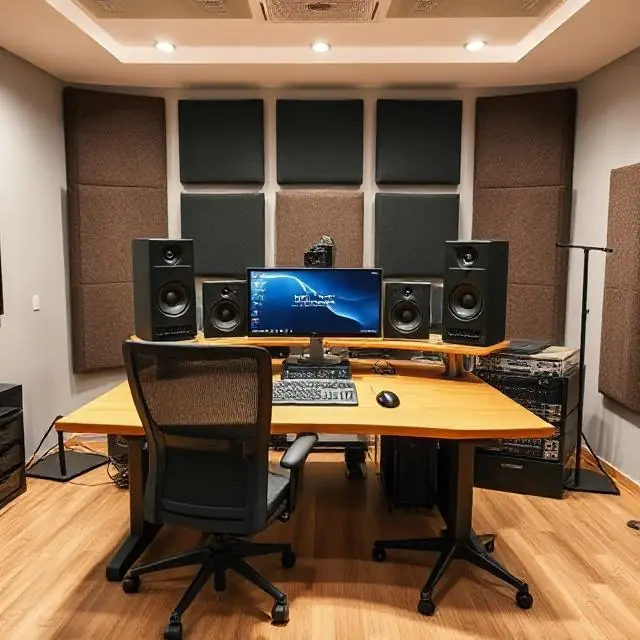
A professional studio is only as functional as the furniture it is built around. Whether you are designing a recording studio, a production space, or a creative editing suite, the right furniture can transform workflow, boost comfort, and help achieve a polished environment. Professional studio furniture is not just about appearance; it plays a vital role in ergonomics, acoustics, and productivity. With more professionals working in specialized studios, the demand for well-designed furniture has never been higher.
This article explores the essentials of professional studio furniture, its benefits, types, and how to choose the right solutions for your setup.
Studio furniture serves more than a decorative purpose. It directly influences efficiency, comfort, and creativity. Unlike standard office desks and chairs, professional studio furniture is designed with audio, video, and creative workflows in mind.
Ergonomics: Designed to reduce strain during long sessions.
Organization: Provides cable management and storage options.
Acoustic optimization: Helps minimize sound reflections and vibrations.
Professional image: Elevates the look of the studio for clients and collaborators.
The centerpiece of any professional studio is the desk. Studio workstations are designed to hold mixing consoles, MIDI controllers, rack gear, and computer setups without clutter.

Features to look for:
Built-in rack spaces for outboard gear.
Keyboard trays for easy instrument access.
Raised monitor shelves for ideal positioning.
Integrated cable management systems.
Comfort is crucial when spending long hours recording or mixing. A professional studio chair should combine ergonomic support with flexibility.

Top considerations:
Adjustable height and armrests.
Breathable materials for extended use.
Lumbar support to prevent fatigue.
Quiet casters to avoid noise during sessions.
Rackmount equipment is common in music and broadcast studios. Professional rack cabinets keep gear safe, accessible, and organized.

Options include:
Portable rolling racks for mobility.
Fixed racks for permanent setups.
Shock-mounted racks for sensitive equipment.
Some furniture pieces double as acoustic solutions. Diffusers, bass traps, and panels can be built into modular furniture to improve sound quality.
Secondary furniture like stands for speakers, synthesizers, or laptops is just as important. Adjustable monitor mounts ensure speakers sit at ear level, reducing ear fatigue and improving mixes.
Before investing in furniture, assess your workflow. Do you need a large desk for mixing consoles, or a compact station for digital production? Your furniture should fit your process rather than forcing adjustments.
Measure the studio space to ensure furniture fits without overcrowding. Small studios benefit from modular, multi-purpose furniture that maximizes limited space.
Long hours at a workstation require proper ergonomics. Look for adjustable features in desks and chairs to maintain healthy posture.
Professional furniture should be durable and resistant to wear. Hardwood, steel, and engineered composites are common materials used in quality studio furniture.
Clutter can disrupt workflow. Many professional studio desks and racks feature integrated cable channels to keep wires out of sight and reduce hazards.
A workstation with adjustable height and an ergonomic chair can prevent injuries over time.
Studios demand furniture that can withstand heavy use. Solid wood or steel frames provide long-lasting stability.
Many furniture brands allow customization for specific studio needs. Options include rack size, desk finish, and modular add-ons.
Furniture should minimize sound reflection. Avoid glass surfaces on desks as they can interfere with sound clarity.
Start with a blueprint of your room. Position the desk against the shorter wall and place monitors at equal distances for balanced sound.
Invest first in a reliable desk, an ergonomic chair, and monitor stands. These core pieces provide the foundation for future additions.
Incorporate rack units and shelving to organize cables, accessories, and external gear.
Use acoustic treatment panels alongside furniture to create an optimal listening environment.

Professional studio furniture can be purchased from specialized retailers, music equipment suppliers, or custom builders. Some well-regarded sources include:
Dedicated studio furniture brands offering modular workstations.
Music production retailers with bundled desk-and-chair packages.
Local carpenters or custom shops for tailored solutions.
Professional studio furniture is more than a design choice. It impacts productivity, creativity, and comfort during long sessions. From ergonomic chairs to multifunctional desks and durable racks, the right pieces help transform any studio into a professional environment.
When selecting furniture, focus on workflow, space optimization, and build quality. Incorporate long-tail search terms naturally when exploring options online to find the best products for your needs.
If you are planning to upgrade your studio, start with the essentials: a professional workstation, a supportive chair, and effective storage solutions. Thoughtful furniture choices today can make your studio more functional, comfortable, and ready for growth tomorrow.
We are proud of the quality of service we provide for all orders and questions from customers. Our customer care team's combined experience and skills, together with our wide choice of products and quick order fulfilment, have helped us establish a solid reputation for providing excellent customer support & service.
Any Query Related Sales
09:00AM to 06:00PM
We welcome comments and feedback about how easy you find the Media K Solutions website to use, which can be communicated by clicking on the Contact Page. If you have questions about delivery, products, service or anything else for that matter, please contact us via live-chat, during office hours, email or telephone. Thanks

 en-gb
en-gb Germany