
 en-gb
en-gb Germany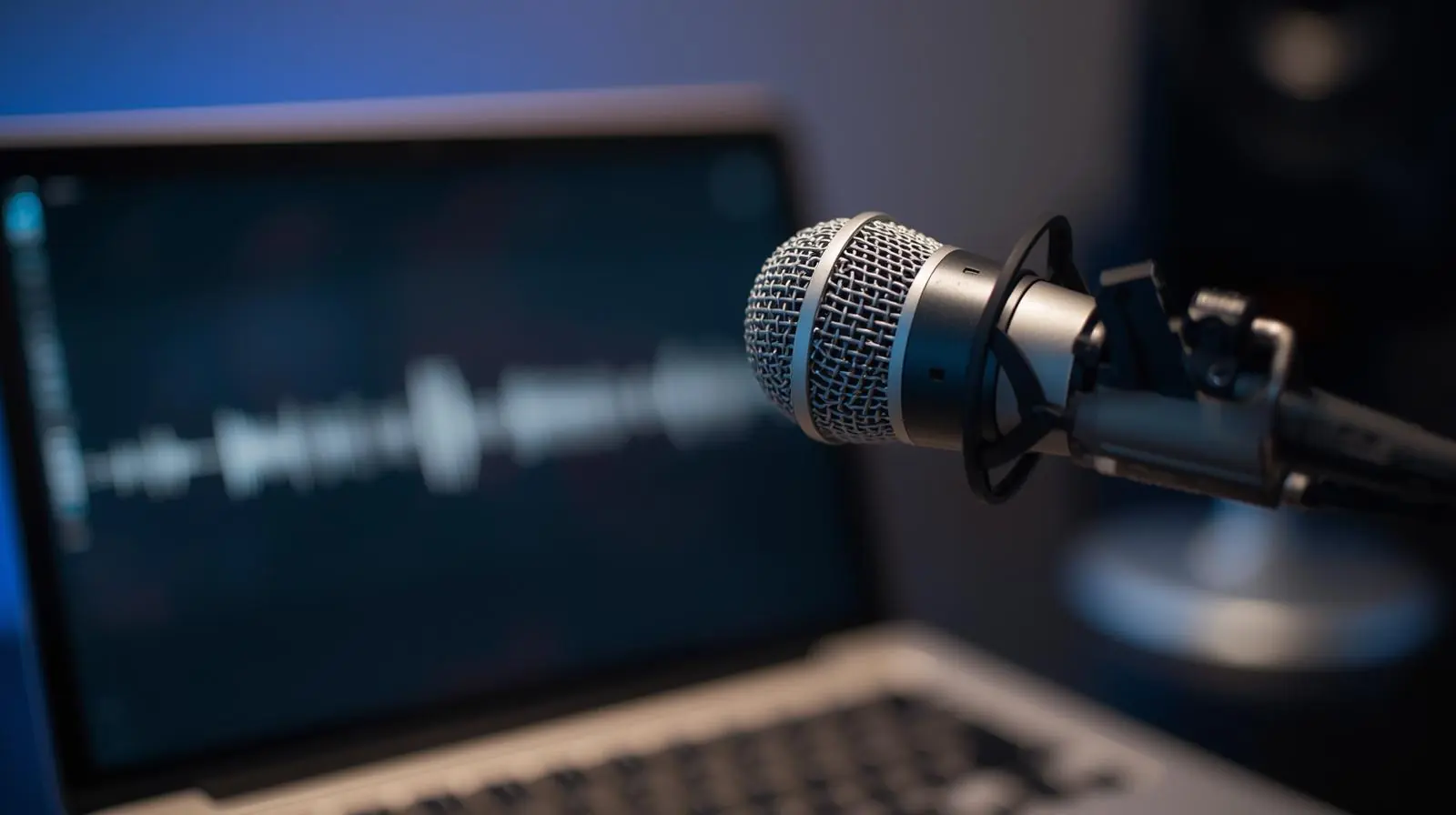
In podcasting, sound quality is everything. Listeners are far more likely to stay tuned when your voice is clear, rich, and consistent. Even the most captivating story can lose its impact if your audio sounds thin or noisy. A well-chosen podcasting microphone is the foundation of professional audio quality. It captures your voice accurately, minimizes distractions, and makes editing easier.
This comprehensive guide will help you understand what to look for in a podcasting microphone, the differences between various types, and which models are best suited for your budget and recording space. Whether you are a beginner launching your first show or a seasoned podcaster refining your setup, this article will help you make the right decision.
Why Your Podcasting Microphone Matters
The microphone is the most important tool in your recording chain. It determines how your audience perceives your voice and, by extension, your brand. Here is why investing in a good mic matters:
-
A high-quality microphone ensures clarity and warmth in your voice.
-
Listeners are more likely to engage with a podcast that sounds professional.
-
It reduces unwanted background noise and editing time.
-
Consistent audio quality improves your credibility and listener loyalty.
In short, a good microphone helps your voice cut through the noise, both literally and figuratively.
Key Features to Consider When Choosing a Podcasting Microphone
Before buying a mic, it’s essential to understand its key technical aspects. These features determine how well the microphone will perform in your particular setup.

Polar Patterns
A polar pattern defines how the microphone picks up sound from different directions. Understanding these patterns helps you choose the right mic for your recording environment.
-
Cardioid (unidirectional): Captures sound from the front and rejects noise from the sides and rear. Ideal for solo podcasting.
-
Supercardioid or Hypercardioid: Has a narrower pickup angle with better side rejection, great for noisy rooms.
-
Omnidirectional: Captures sound equally from all directions, suitable for group discussions in quiet spaces.
-
Bidirectional (figure-8): Captures sound from the front and back while rejecting the sides, perfect for two-person interviews.
-
Multi-pattern: Offers flexibility by allowing you to switch between pickup modes.

Selecting the right polar pattern helps reduce unwanted noise and ensures your voice remains the focus.
Dynamic vs. Condenser Microphones
The two main types of podcasting microphones are dynamic and condenser, each with distinct characteristics.
Dynamic Microphones
-
Durable and less sensitive to background noise.
-
Perfect for untreated or noisy rooms.
-
Handle loud voices or sound sources without distortion.
-
Offer a warm, broadcast-style sound.
-
Often used in radio and professional studios.

Condenser Microphones
-
More sensitive, capturing subtle vocal details.
-
Require phantom power (usually +48V).
-
Best used in quiet, acoustically treated rooms.
-
Offer a bright, detailed tone ideal for studio environments.
If you are recording in a typical home setup with minimal acoustic treatment, a dynamic microphone is usually the safer choice.
USB vs. XLR Connections
How your microphone connects to your recording device affects both sound quality and flexibility.
USB Microphones
-
Plug directly into your computer via USB.
-
Simple and convenient for beginners.
-
Ideal for solo podcasters or mobile setups.
-
Usually include built-in preamps and headphone monitoring.
XLR Microphones
-
Connect via an XLR cable to an audio interface or mixer.
-
Offer superior audio fidelity and flexibility.
-
Easier to upgrade as your studio grows.
-
Require an external audio interface, which adds to cost but improves control.
Hybrid Microphones
-
Combine USB and XLR outputs.
-
Allow you to start simple and upgrade later without replacing your mic.
-
Popular hybrid examples include the Shure MV7 and Samson Q2U.
USB mics are perfect for plug-and-play setups, while XLR mics suit more advanced podcasters seeking long-term growth.
Other Important Specifications
When comparing microphones, consider these additional specs and features:
-
Sensitivity and Self-Noise: Lower self-noise ensures cleaner recordings.
-
Frequency Response: Determines how the mic reproduces different tones. A flatter response sounds more natural.
-
Maximum SPL: Indicates how loud a sound the mic can handle before distortion.
-
Built-in Filters or Controls: Some mics include gain knobs, mute switches, and filters.
-
Headphone Monitoring: Zero-latency monitoring allows you to hear yourself without delay.
-
Build Quality: A sturdy design minimizes vibrations and handling noise.
Recommended Podcasting Microphones by Budget
Entry-Level Options
If you are starting your podcast journey, these affordable microphones deliver excellent results without breaking the bank:
-
Samson Q2U: Dual USB and XLR outputs make it versatile. Great sound for the price.
-
Audio-Technica ATR2100x: Clear and crisp sound with both USB and XLR connectivity.
-
MXL 990: A condenser mic that offers bright, detailed sound for controlled environments.
-
Rode Podcaster: A simple USB dynamic mic ideal for plug-and-play recording.
These models are perfect for new podcasters who want quality sound with minimal setup effort.
Mid-Range Microphones
For podcasters looking to upgrade their sound quality, these mics strike a good balance between performance and price:
-
Shure MV7: A hybrid mic that supports both USB and XLR, designed for podcasters.
-
Blue Yeti: Offers multiple pickup patterns and is easy to use for both solo and group recordings.
-
Rode NT1 or NT-USB: Low noise, detailed tone, and great for treated spaces.
These microphones deliver professional-level audio quality while remaining user-friendly.
Professional-Grade Microphones
For experienced podcasters or studios seeking the highest quality sound, these are industry standards:
-
Shure SM7B: The iconic broadcast mic known for its rich, warm sound.
-
Electro-Voice RE20: Excellent for both voice and instruments with minimal proximity effect.
-
Heil PR40: Strong clarity and natural tone with exceptional noise rejection.
-
Neumann U87: A premium condenser mic used in high-end studios worldwide.
These microphones provide the ultimate in voice reproduction but require quality preamps, interfaces, and acoustic treatment to perform at their best.
Setting Up Your Podcast Microphone
Even the best microphone needs proper setup to achieve professional results.

Mic Placement and Technique
-
Position the mic about 4 to 8 inches from your mouth.
-
Speak slightly off-center to reduce popping sounds.
-
Use a pop filter or foam windscreen to minimize plosives.
-
Keep your distance consistent throughout your recording.
-
Mount your mic on a boom arm to reduce vibrations.
Room Acoustics
-
Record in a quiet, enclosed space with soft furnishings.
-
Use curtains, carpets, and acoustic panels to absorb reflections.
-
Avoid recording near hard walls or windows.
-
Turn off background noise sources such as fans or air conditioners.
Gain and Monitoring
-
Adjust your input gain to prevent clipping.
-
Aim for peaks around -12 dB to -6 dB.
-
Monitor your sound through wired headphones.
-
Record test clips to check levels and clarity before each session.
Proper setup can make a budget mic sound professional, while poor technique can ruin even the most expensive microphone’s potential.
Post-Production and Sound Enhancement
Editing and processing are vital steps in creating a polished podcast. Here are a few best practices:
-
Apply a noise gate to remove unwanted background hum.
-
Use compression to even out volume levels.
-
Add equalization (EQ) to enhance presence and warmth.
-
Use a de-esser to reduce harsh “s” sounds.
-
Normalize audio loudness to ensure consistent playback levels.

Editing software such as Audacity, Adobe Audition, or Reaper allows you to apply these adjustments easily and efficiently.
How to Choose the Right Microphone for You
Choosing a podcasting microphone is not about finding the most expensive one. It’s about finding the right match for your needs and environment.
Ask yourself the following questions:
-
What is your budget? Start with what you can afford and upgrade over time.
-
Where will you record? If you’re in a noisy room, go for a dynamic mic.
-
Do you plan to scale your setup? If yes, choose XLR or hybrid mics.
-
Will you record solo or with guests? For multiple speakers, consider multiple mics or multi-pattern options.
-
What level of control do you need? If you want onboard gain or mute controls, look for mics that include those features.
By aligning your microphone choice with your goals and environment, you can ensure great sound from the start.
Conclusion
A great podcasting microphone is more than just a piece of hardware. It is your connection to your audience and the key to building trust and engagement.
To recap:
-
Choose a microphone that fits your space, budget, and skill level.
-
Understand the basics of polar patterns, mic types, and connectivity.
-
Use proper mic technique and basic acoustic treatment.
-
Focus on both setup and post-production for the best results.
When you invest in the right microphone and learn to use it effectively, your podcast instantly sounds more professional. Clear, captivating audio helps your message stand out and keeps your listeners coming back for more.
If you’re ready to upgrade your sound or start your podcasting journey, take the time to test different mics, experiment with placement, and create a setup that brings your voice to life. Your audience will hear the difference.