- Call / Whatsapp : +92 300 8467101
- PKR - Pakistan

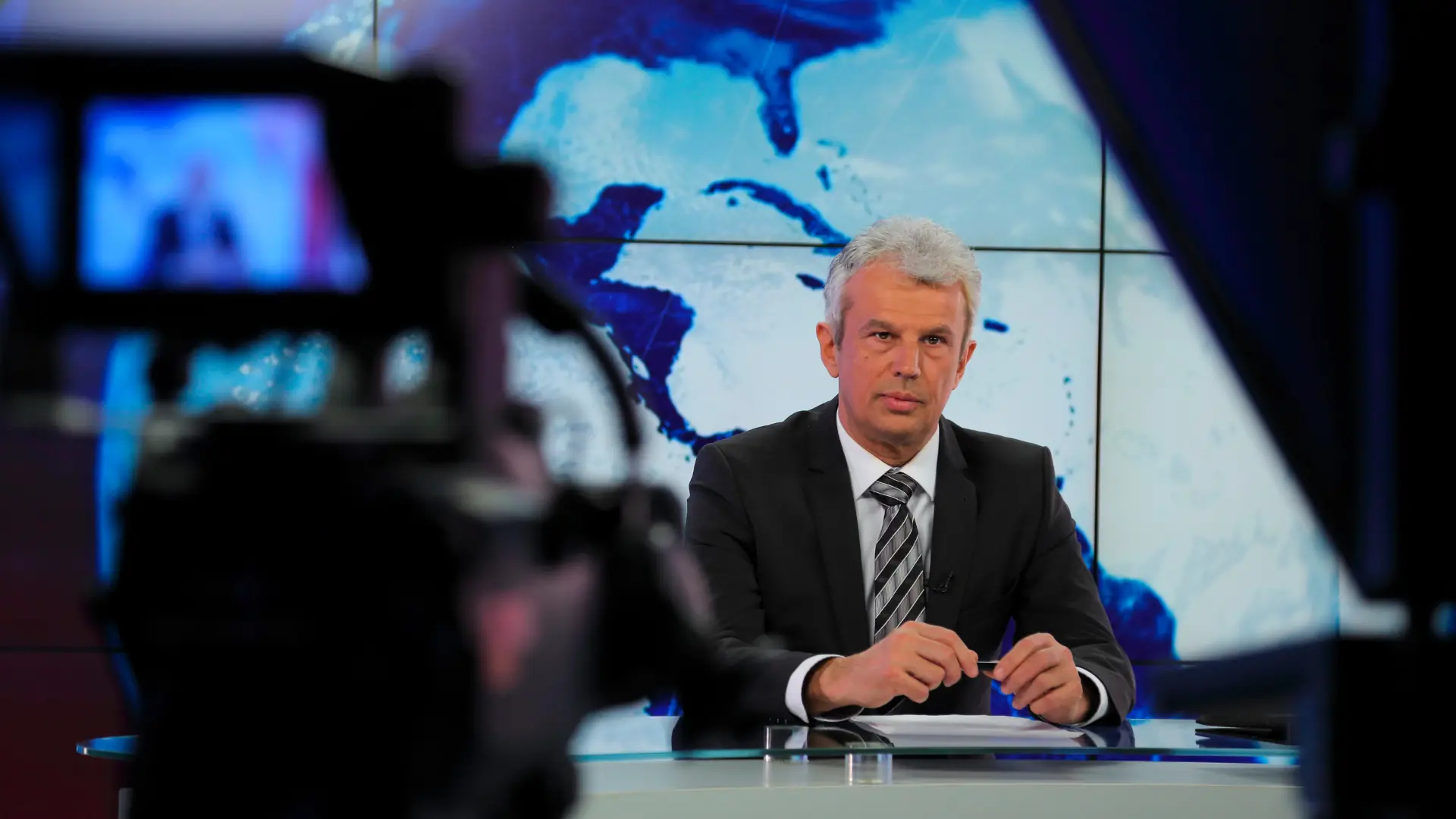
In today's dynamic world of live broadcasting, every image counts in capturing the audience. Of these, color grading is an insidious but influential weapon that can either make or destroy the viewer's experience. It may be a lively sports event, a breaking news broadcast, or a live concert – optimized color grading makes the footage professional, uniform, and emotionally engaging. But what is required to perfect color grading in real time, where second takes aren't an option? This article takes a dive into the must-haves of maximizing color grading in live broadcast, dissecting important factors, best practices, and innovative tools that enable broadcasters to deliver breathtaking visuals on the fly.

Color grading is the adjustment and enrichment of the colors within video to produce a desired aesthetic or to provide visual coherence. In post-production, editors enjoy the time to get each frame just right, but during live broadcasts, the process has to occur in real-time. The consequences are great: a badly graded broadcast will look amateurish, will distract, or will not get across the desired mood.
Picture a live sports broadcast in which the field's green appears to be washed out or a concert in which the lighting changes erratically, numbing the performer's presence. Optimal color grading means that colors will pop when they're supposed to, be true-to-life when required to be, and be consistent across several camera streams. It's not only a matter of looks—it's a matter of storytelling and credibility. For broadcasters, doing it correctly in real-time is an engineering and creative hurdle that requires the proper tools, planning, and skills.
Differing from post-production, live color grading does not permit experimentation and error. Some special challenges are faced by broadcasters:
Speed: Changes have to be done in real time as the video is broadcast live before millions.
Multiple Sources: Live events tend to employ multiple cameras, and each one may be capturing different lighting conditions or color profiles.
Lighting Variability: Outdoor broadcasts or events where there is dynamic lighting (such as concerts) necessitate continuous adjusting to ensure consistency.
Signal Integrity: The color information has to be transmitted from camera to broadcast without loss, relying on top-quality transmission gear.
That's done best by a combination of cutting-edge technology and experts who can foresee and respond to real-time changes.
Obtaining perfect color grading for live broadcasts is a delicate, high-pressure task that is based on a combination of technical accuracy, creative touch, and real-time adjustability. Several critical factors must align to ensure vibrant, consistent, and visually compelling output that captivates audiences without interruption. First, the camera’s sensor quality sets the foundation—high dynamic range and accurate color reproduction are non-negotiable for capturing rich, nuanced footage that provides flexibility in post-processing.
Exceptional color grading starts with high-end gear recording and processing images. High-end sensors provide dense, flexible image information for fine adjustments. Stable processors and connections maintain signal integrity, guaranteeing color accuracy. Calibrated displays and real-time tools enable error-free grading that matches your vision.
Cameras: Top-of-the-line broadcast cameras with top-quality image sensors and color science are required. For instance, broadcast cameras, such as those made by Ikegami, provide good color accuracy and real-time processing abilities so that the raw material is as close to optimal as possible.
Production Switchers: These units require inbuilt color grading instruments to modify color, saturation, and contrast in real time.
Monitors: Monitors that are calibrated and accurate enable the technician to notice exactly what's going out, and make real-time adjustments accordingly.
Software plays an important role in facilitating rapid adjustments during a live event.
Waveform Monitors and Vectorscopes: They give a graphical outline of color and luminance levels, enabling graders to immediately notice discrepancies.
Lookup Tables (LUTs): Pre-loaded LUTs can impose a uniform color profile on feeds, making the grading process faster.
Intuitive Interfaces: Software should be easy to use so that technicians can perform quick changes without interrupting the workflow.
Consistency is the key in live broadcasting. All cameras, monitors, and output devices need to be calibrated to a standard color space (e.g., Rec. 709 or Rec. 2020 for UHD). Aligned devices can create jarring color transitions that viewers immediately notice.

Lighting plays a pivotal role in professional video production and color grading, especially when dealing with mixed lighting sources such as natural daylight and studio lighting. These varied sources can introduce color casts that distort image accuracy, impacting both video quality and post-production workflows. Inconsistent lighting can lead to mismatched tones, making it essential for broadcast professionals to carefully manage white balance, use calibrated monitors, and rely on high-quality camera sensors for consistent results.
perature ControlColor Tem: Equipment and tools which compensate for Kelvin values keeps the colors in check.
Pre-Event Testing: Testing lighting prior to the event anticipates trouble and establishes base adjustments.
A smooth process is essential to succeed with real-time broadcasting. Pre-calibrated equipment and synchronized processes reduce interruption. Quick tools and stable signal paths provide uninterrupted adjustments. Smooth communication and automation keep everyone on the same page, producing error-free live output.
Team Coordination: The camera operators, lighting engineers, and color graders have to communicate fluidly.
Pre-Set Profiles: Pre-configured settings for routine situations (in and out of doors) save precious seconds.
Having the right tools is just the beginning—applying best practices is what truly elevates the color quality of your live broadcasts. Proper camera calibration, consistent white balance settings, and using high-quality lenses and filters can make a significant difference in capturing accurate and vibrant colors. Equally important is managing your lighting environment, as well-placed, balanced lighting helps reduce unwanted color casts and enhances overall image consistency. Incorporating external monitors for real-time color checking allows for on-the-spot adjustments, ensuring your footage looks its best before it even reaches post-production.
Effective pre-broadcast preparation is key to a smooth, professional production. It involves checking all equipment, calibrating cameras and audio gear, testing transmission links, and ensuring lighting and power setups are stable. This step also includes reviewing scripts, cue sheets, and coordinating with the crew to align on timing and responsibilities. Proper preparation minimizes technical issues and sets the stage for a flawless broadcast.
Calibrate Everything: Make sure all cameras and monitors are set to the desired color space.
Test LUTs: Develop and test LUTs for various lighting conditions to be able to switch between them rapidly.
Rehearse: Walk through the event setup to find potential color problems and set a baseline.
During a live broadcast, maintaining precision, coordination, and real-time monitoring is essential for a flawless viewer experience. Production teams must manage camera angles, audio levels, and live video switching seamlessly while ensuring uninterrupted broadcast signal quality. Using professional broadcast equipment and maintaining clear crew communication helps prevent technical hiccups and keeps the production smooth. Staying alert and responsive throughout the live streaming process ensures high-quality, engaging content that boosts viewer retention and strengthens your broadcast brand presence—all key factors for SEO and audience growth.
Monitor Continuously: Employ professional-level monitors to monitor color accuracy in real-time.
Adjust Subtly: Make incremental, subtle adjustments to prevent jarring changes that the audience may perceive.
Prioritize Consistency: Prioritize matching colors between feeds over striving for perfection in each frame.
Post-Broadcast Review
Analyze Footage: Review the broadcast to identify areas for improvement.
Gather Feedback: Feedback from the team and audience can hone future grading efforts.
Leveraging the right broadcast tools and technologies is crucial for delivering high-quality, professional content. From advanced 4K and HDR cameras to precision audio gear, live streaming encoders, and broadcast control units, each component plays a vital role in the production pipeline. Incorporating reliable transmission systems, real-time monitoring, and post-production software ensures a seamless workflow from capture to broadcast. By investing in cutting-edge broadcast technology, professionals can enhance content quality, improve operational efficiency, and stay competitive—factors that also boost SEO through better viewer engagement and longer watch times.
some major players:Color grading would not be optimized without appropriate technology. Below is a rundown of
olor Grading Consoles: Tactile controls on hardware (e.g., knobs and sliders) enable accurate, quick adjustments.
Broadcast Cameras: Ikegami, among others, offers cameras with sophisticated sensors that record vivid, accurate colors, lessening the necessity for heavy grading.
Monitors: Broadcast monitors of high quality like Ikegami support real-time calibration and wide color gamuts, so what you see is what you get on air.
Software Plugins: Within production switchers, these software plugins provide waveform displays and LUT applications to make immediate adjustments.
For example, Ikegami's broadcast products are optimized for live conditions, providing cameras and monitors that simplify the process of color grading with trustworthy performance and precision.
Real-World Examples: Color Grading in Action
Let's discuss how color grading optimized improves live transmission using real-life examples:
The Olympics include various venues, each with specific lighting—indoor arenas, open-air stadiums, and nighttime events. Calibration cameras and live grading software help broadcasters make the golden colors of a medal ceremony visually consistent with the lush greens of a track event, providing consistency across locations.

A concert's tone changes from track to track, from vibrant reds to pale blues. Preset LUTs enable graders to interchange profiles with immediate effect, copying the light design without compromising the definition on faces and instruments.
Inside a newsroom studio, multiple cameras mean that consistent color must carry across each shoot. Skilful calibration and restrained grading render skin tones truly natural, ensure that the backdrop does not hog attention away, and reestablish the broadcast professionalism.
Tips for Broadcasters: Getting Started
If you’re new to optimizing color grading in live broadcasts, here’s how to begin:
Invest in Quality Equipment: Start with reliable cameras and monitors designed for broadcast standards.
Train Your Team: Ensure everyone understands their role in the color workflow, from capture to output.
Start Simple: Use basic LUTs and calibration tools before diving into advanced adjustments.
Experiment in Rehearsals: Test your setup in low-stakes environments to build confidence.
As technology continues to improve, so does live color grading. Emerging trends are:
AI Support: AI can scan footage and propose real-time changes, minimizing human error.
HDR Growth: High Dynamic Range (HDR) broadcasts require ever more accurate grading to take full advantage of their increased color and contrast capabilities.
Cloud-Based: Cloud-based tools could soon enable remote teams to work on grading, increasing flexibility.
These innovations vow to streamline live color grading into a quicker, more precise, and affordable solution for broadcasters of every size.
Refining color grading in live broadcasts is an art and a science. It takes state-of-the-art hardware, user-friendly software, careful preparation, and a talented team operating in concert. By becoming proficient in these aspects, broadcasters are able to provide images that engage, educate, and motivate—every time the camera turns on.
For those aiming to excel, investing in broadcast-ready solutions—like Ikegami’s cameras and monitors—can provide the edge needed to stand out. Their focus on quality and innovation aligns perfectly with the demands of real-time grading. Ready to take your live broadcasts to the next level? Explore the tools and techniques discussed here, and watch your visuals come to life.
Contact us now to learn more, schedule a demo, or speak with a broadcast expert. Make every second of your live content count—because your audience deserves nothing less.
We are proud of the quality of service we provide for all orders and questions from customers. Our customer care team's combined experience and skills, together with our wide choice of products and quick order fulfilment, have helped us establish a solid reputation for providing excellent customer support & service.
Any Query Related Sales
09:00AM to 06:00PM
We welcome comments and feedback about how easy you find the Media K Solutions website to use, which can be communicated by clicking on the Contact Page. If you have questions about delivery, products, service or anything else for that matter, please contact us via live-chat, during office hours, email or telephone. Thanks

 en-gb
en-gb Germany