- Call / Whatsapp : +92 300 8467101
- PKR - Pakistan

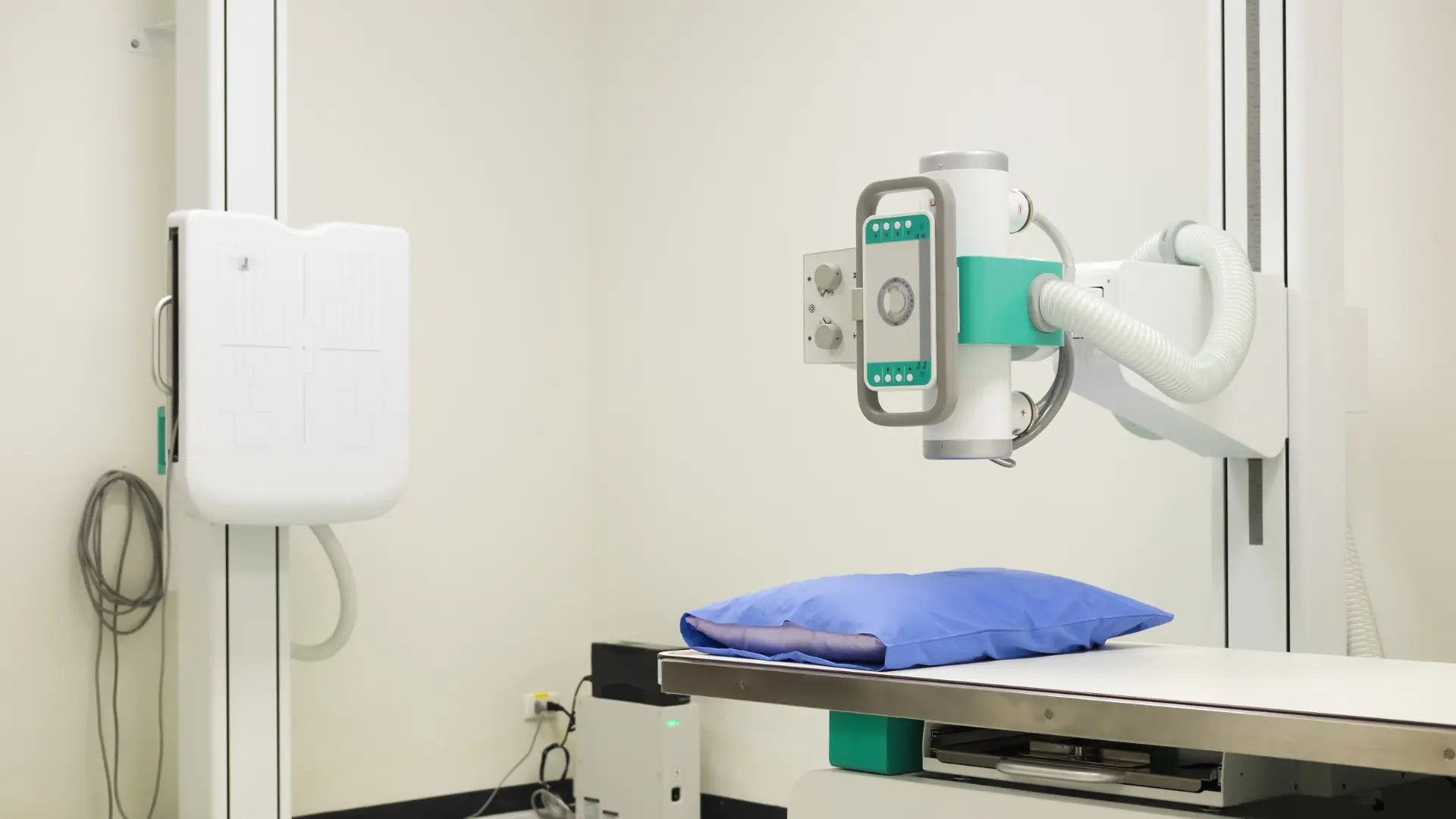
In the rapidly changing healthcare environment of today, medical imaging systems are the foundation of precise diagnostics and successful patient care. From detecting early-stage cancer to navigating minimally invasive procedures, these technologies enable clinicians to visualize inside the human body with unprecendented precision. But not all imaging systems are equal. Whether you're an IT professional, radiologist, or hospital administrator, selecting the proper system involves knowing the essential features that drive performance, safety, and scalability. So, what do you need to look for in a medical imaging system to ensure it will serve your facility's requirements? Let's take a closer look.
Medical imaging isn’t just about taking pictures—it’s about saving lives. A 2022 World Health Organization report highlighted that diagnostic imaging supports over 70% of clinical decisions worldwide. Yet, outdated or mismatched systems can lead to misdiagnoses, delays, or excessive costs. The right system enhances diagnostic precision, streamlines workflows, and adapts to future demands—all while keeping patient safety front and center. Here’s a breakdown of the must-have features to guide your decision.
Top-notch images are not negotiable. Whether it's an MRI showing intricate soft tissue details or a CT scan detecting tiny bone fractures, resolution plays a critical role. To ensure precision and clarity, opt for systems with high-resolution sensors, advanced imaging software, and cutting-edge display monitors. These features enhance diagnostic accuracy, allowing healthcare professionals to make informed decisions based on clear, detailed images.
High Pixel Density: Guarantees clear, detailed images (e.g., 4K or better for endoscopy).
Advanced Sensors: CMOS or CCD sensors enhance clarity and minimize noise.
Contrast Capabilities: Wide dynamic range (WDR) to differentiate subtle tissue density differences.
For instance, 3D reconstruction system—such as used in Singapore's failed 2003 conjoined twins separation effort—can revolutionize diagnostics with depth and accuracy.
Keyword Tip: "High-resolution medical imaging" and "best imaging system for diagnostics" come naturally to mind here.
Healthcare centers deal with diverse imaging requirements—X-rays, ultrasounds, MRIs, etc. A multi-modal system caters to different modalities without the need for distinct machines. Important features are:
Multi-Modal Compatibility: Supports CT, PET, and MRI in a single platform.
Hybrid Imaging: Integrates PET/CT or PET/MRI for complete understanding.
Customizable Settings: Adapts to specialties such as cardiology or orthopedics.
A hybrid PET/MRI, for example, combines metabolic information with anatomical information, and it is best suited for oncology and neurology.
Keyword Tip: "Versatile medical imaging systems" and "hybrid imaging technology" increase searchability.
In emergencies, every second matters. Technologies that deliver fast imaging and real-time reporting can be crucial in saving lives. Seek systems with rapid scan times, high-speed data transmission, and instant image processing capabilities. These features ensure immediate access to critical information, enabling healthcare professionals to make timely decisions and provide efficient care under pressure.
Grossly Rapid Acquisition Times: Sub-second CT scans or immediate ultrasound reports.
Real-Time Rendering: Essential for procedures such as catheter placements.
AI Integration: Streamlines analysis by highlighting anomalies immediately.
AI-powered systems, such as those identifying lung nodules as benign or cancerous, reduce diagnostic time from hours to minutes, improving patient outcomes.
Keyword Tip: "Real-time medical imaging" and "fast diagnostic imaging systems" aim for efficiency-driven searches.
Safety is not a choice—it's a necessity. Imaging systems must prioritize reducing risk while enhancing patient comfort. Key features include low radiation doses, ergonomic designs, and motion-sensing technology to minimize discomfort and ensure precise results. Additionally, real-time monitoring and automated safety protocols can help prevent errors and protect both patients and operators throughout the imaging process.
Low Radiation Exposure: Dose-reduction technology for X-rays and CT scans.
Non-Invasive Options: Ultrasound or MRI instead of radiation-intensive options.
Ergonomic Design: Open MRI scanners minimize claustrophobia.
For example, low-dose lung CTs have reduced radiation risks by 20% without compromising diagnostic performance, a godsend for frequent scanning.
Keyword Tip: "Low-radiation imaging systems" and "patient-safe medical imaging" resonate with safety-oriented readers.
In the fast-changing digital healthcare environment of today, it is crucial that medical imaging systems integrate well with the rest of the hospital IT infrastructure. As hospitals get more and more networked, imaging technologies cannot operate in isolation but must harmonize with electronic health records (EHRs), hospital information systems (HIS), and other essential digital infrastructure.
DICOM Compliance: Guarantees interoperability with Picture Archiving and Communication Systems (PACS).
EHR Integration: Connects images to electronic health records with ready access.
Cloud Connectivity: Supports remote viewing and storing.
An integrated PACS and EHR system optimizes workflow, allowing radiologists to bring up patient history along with scans in seconds.
Keyword Tip: "DICOM medical imaging" and "imaging system IT integration" strike technologically savvy searches.
As the healthcare environment keeps changing, your imaging system needs to be capable of changing along with it. Selecting an imaging solution that is scalable is critical to being able to make your technology grow and change as your facility does. Whether you're adding services, managing growing patient volumes, or adding new diagnostic technologies, a scalable system offers the adaptability to handle these changes without needing to start over.
Modular Design: Introduce new modules (e.g., 4K upgrades) without having to replace the unit.
Software Updates: Stays current with AI and imaging developments.
Expandability: Accommodates extra workstations or modalities.
A modular MRI system, for instance, can be upgraded from 1.5T to 3T magnets, prolonging its life and functionality.
Keyword Tip: "Scalable imaging systems" and "future-proof medical imaging" appeal to long-term planners.

In clean environments such as operating rooms, durability and cleanliness are paramount. Imaging systems must be built with antimicrobial surfaces and easy-to-clean materials to maintain sterile conditions. Additionally, systems should be designed for high durability to withstand frequent cleaning and sterilization without compromising performance. Features like seamless construction and sealed components prevent contamination, ensuring that the equipment remains reliable and safe for use in critical environments.
Solid Build: Resists heavy use and shipping (e.g., transportable ultrasound).
Cleanroom Requirements: Sealed configurations withstand contamination.
Easy Serviceability: Fast-clean surfaces and low downtime.
Cleanroom-compliant monitors, critical to surgical imaging, maintain sterility without compromising performance.
Keyword Tip: "Durable medical imaging" and "cleanroom imaging systems" appeal to OR teams.
Even clinicians with the best skills can be slowed down by overly complicated systems that break workflow and add unjustified delays. In an imaging-intensive healthcare world, it is important to rank imaging and diagnostics solutions on whether they are simple, easy to use, and integrated well within day-to-day operations. The systems need to assist the clinician by automating tasks, decreasing the amount of steps between accessing or evaluating data, and reducing the time to learn them.
Intuitive Controls: Touchscreens or streamlined menus for quick operation.
Training Support: Integrated tutorials or remote help.
Custom Presets: Shortens routine scans with pre-established protocols.
A friendly ultrasound interface, for example, allows sonographers to focus on patients, not buttons.
Keyword Tip: "User-friendly imaging systems" and "easy-to-use medical imaging" resonate with busy experts.
Budget concerns are important, but low-cost systems may ultimately cost more in repairs or lost diagnoses. Investing in higher-quality imaging systems can save money in the long run by reducing maintenance costs, minimizing downtime, and improving diagnostic accuracy. Consider systems with long-term reliability, warranty coverage, and upgradable components to ensure they remain efficient over time. Choosing equipment with advanced features and superior image quality helps prevent costly errors and ensures better patient outcomes, making the initial investment more worthwhile.
Initial Cost: Equals long-term savings.
ROI: High uptime and accuracy justify higher upfront spends.
Service Contracts: Ensure affordable maintenance and support.
A $100,000 CT scanner with a 10-year lifespan might outvalue a $50,000 unit needing frequent fixes.
Keyword Tip: “Cost-effective medical imaging” and “best value imaging systems” guide budget searches.

Compliance isn’t optional—it’s mandatory. Ensure that your imaging systems meet all industry regulations and safety standards, such as FDA approval, HIPAA compliance for patient data, and radiation safety guidelines. Regularly update systems to adhere to the latest legal requirements and certification standards. This ensures not only legal compliance but also patient safety, equipment longevity, and the highest quality of care.
FDA Approval: Meets U.S. safety and efficacy standards.
HIPAA Readiness: Protects patient data during transmission.
Radiation Safety: Complies with ALARA (As Low As Reasonably Achievable) principles.
Systems that fail to comply risk fines and patient injury—verify certifications prior to purchase.
Keyword Tip: "FDA-approved imaging systems" and "HIPAA-compliant medical imaging" address regulatory questions.
Imagine a busy hospital: A versatile, high-resolution MRI with real-time AI detects a brain tumor during a routine scan, integrates with EHRs for immediate consults, and uses low-dose settings for a pediatric patient—all while remaining HIPAA-compliant. Or an outlying clinic: A rugged, wireless ultrasound with cloud storage provides prenatal care, syncing data to a remote specialist. These capabilities transform adequate systems into exceptional ones.
Choosing the right imaging system requires a balance of several key factors. Start by evaluating your specific clinical needs—whether you need high-resolution imaging for detailed diagnostics or fast scan times for emergencies. Consider the system's image quality, durability, and ease of use to ensure it aligns with your workflow. Budget is also crucial, but prioritize long-term value over initial cost by factoring in maintenance costs, upgrades, and potential repairs.
Assess Your Needs: High-volume diagnostics? Surgical support? Define your use case.
Test Drive: Request demos to evaluate image quality and usability.
Consult Experts: Radiologists, IT staff, and vendors offer insider insights.
Plan for Growth: Pick a system that scales with patient demand and tech trends.
Choosing a medical imaging system isn’t just about specs—it’s about empowering better care. Prioritize image quality, safety, and integration, then layer in scalability and usability. The result? A tool that boosts diagnostic confidence, enhances workflows, and grows with your facility. Ready to upgrade your imaging game? Explore top-tier systems from brands like MedImaging and start transforming patient outcomes today. Contact us now — and take the next step toward smarter, safer, and more scalable diagnostic imaging.
We are proud of the quality of service we provide for all orders and questions from customers. Our customer care team's combined experience and skills, together with our wide choice of products and quick order fulfilment, have helped us establish a solid reputation for providing excellent customer support & service.
Any Query Related Sales
09:00AM to 06:00PM
We welcome comments and feedback about how easy you find the Media K Solutions website to use, which can be communicated by clicking on the Contact Page. If you have questions about delivery, products, service or anything else for that matter, please contact us via live-chat, during office hours, email or telephone. Thanks

 en-gb
en-gb Germany