- Call / Whatsapp : +92 300 8467101
- PKR - Pakistan

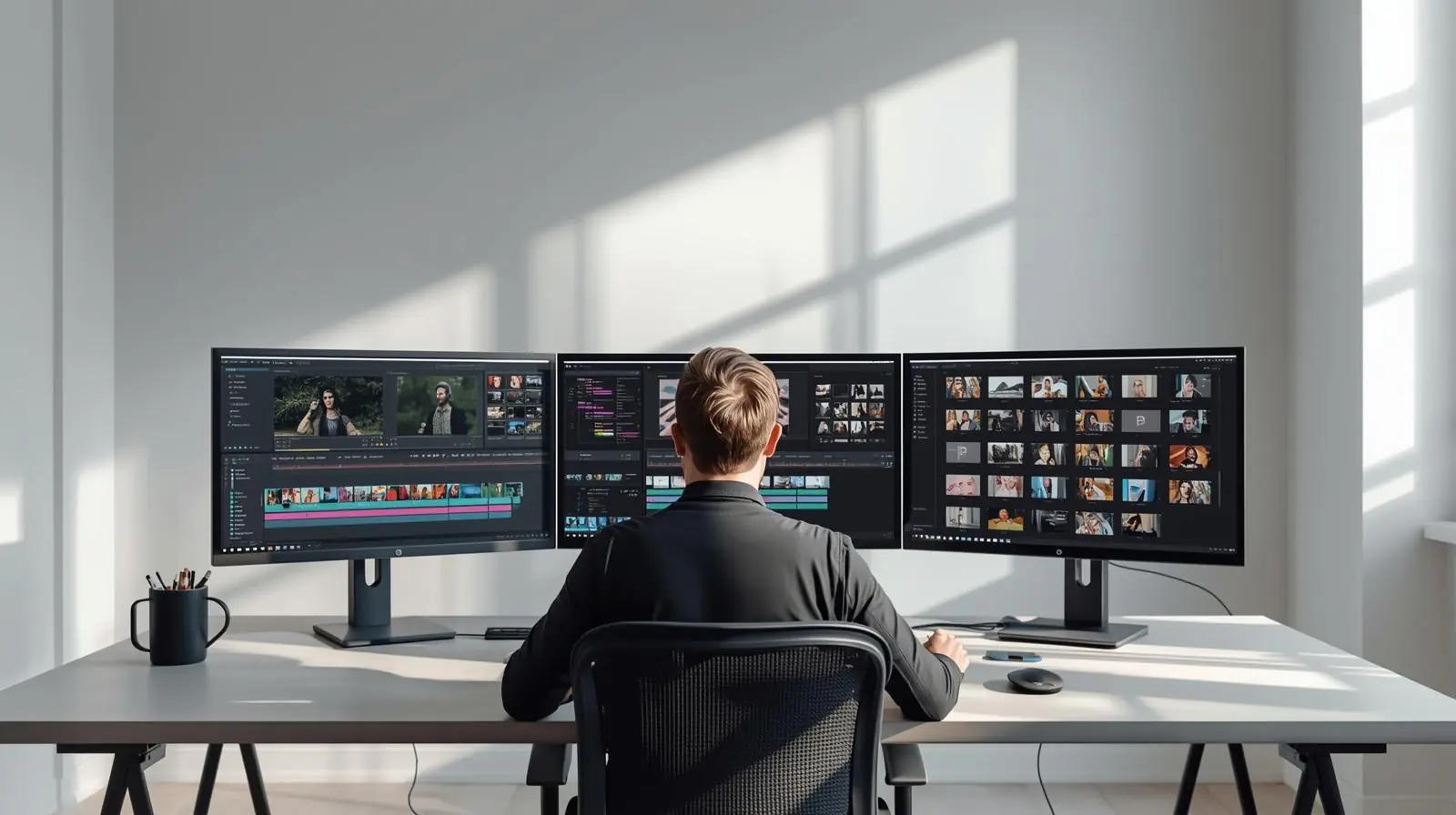
In today’s digital-first world, organizations produce and manage an overwhelming amount of media every day. Videos, images, animations, podcasts, and graphics are now essential assets that drive communication, branding, and storytelling. However, without a structured system, these valuable files often end up scattered across hard drives, cloud folders, and email attachments, making it difficult to locate, reuse, or manage them efficiently.
This is where media asset management software becomes indispensable. It helps businesses organize, store, retrieve, and distribute their media files with precision and control. Whether you’re a media production house, marketing agency, educational institution, or corporate enterprise, a robust MAM system ensures that your media workflows run smoothly and efficiently.
This comprehensive guide explores what media asset management software is, its core features, benefits, use cases, and how to choose and implement the right solution for your organization.

Media asset management (MAM) software is a specialized platform designed to store, organize, and manage large volumes of digital media content such as video, audio, graphics, and images. It enables teams to control the entire lifecycle of a media asset, from creation and ingestion to editing, distribution, and archiving.
While MAM is often compared to digital asset management (DAM), MAM systems are more advanced in handling complex media workflows. They are typically used in industries where video production and broadcasting are critical. MAM systems can process large file formats, manage multiple versions, and integrate directly with creative tools used for editing and post-production.
The explosion of video marketing, streaming content, and digital storytelling has made media a core business asset. As organizations create more media than ever before, managing these files effectively becomes a major challenge. Without proper management, teams face problems like:
Duplicated or missing files
Poor version control
Brand inconsistencies
Time wasted searching for assets
Compliance and rights issues
Media asset management software eliminates these issues by offering a centralized, searchable, and secure hub for all digital media.
A well-designed MAM system provides a rich set of features to streamline every stage of your media workflow. Below are the key components to look for when evaluating solutions.
Metadata is the foundation of effective asset management. MAM software allows you to attach detailed metadata to each media file, including title, date, creator, rights, and keywords. Customizable metadata fields ensure assets are easy to find, categorize, and retrieve.
When new media files are added, the system can automatically ingest and catalog them. Advanced MAM solutions include automated transcoding, thumbnail generation, and proxy creation. This ensures files are ready for editing or previewing in different resolutions and formats without manual intervention.
With hundreds or thousands of media files in a library, finding the right one quickly is essential. MAM platforms feature powerful search tools that use metadata, filters, and even AI-based recognition to identify visual or audio elements within content. The result is fast, intuitive access to any asset, saving time and effort.
Creative teams often work on multiple versions of the same file. MAM systems include version tracking, allowing users to view previous edits, compare differences, and restore earlier versions if needed. This prevents confusion and ensures the latest approved file is always accessible.
Collaboration tools are essential in modern production environments. MAM software provides secure sharing, annotation, and approval workflows so team members, clients, and stakeholders can review and approve content from anywhere. This streamlines communication and shortens production cycles.
Licensing and rights management are crucial for compliance. MAM systems store information about asset ownership, usage rights, expiration dates, and restrictions. This prevents accidental misuse of media and protects organizations from legal risks.
A good MAM integrates seamlessly with editing and design software such as Adobe Premiere Pro, Final Cut Pro, and After Effects. Integration with CMS platforms, storage systems, and automation tools ensures that assets can move easily between systems without duplication.
Insight into how assets are used is valuable for measuring performance and optimizing media strategies. MAM software tracks usage statistics, downloads, and engagement levels, helping teams identify which assets deliver the most value.
Modern MAM solutions are built to scale as media libraries grow. Cloud-based systems offer flexibility, global accessibility, and reduced infrastructure maintenance. Hybrid models can combine on-premises control with cloud scalability.

Implementing a media asset management system delivers measurable improvements across creative and operational teams. Here are the primary benefits.
A centralized media library with consistent metadata and tagging allows users to find and reuse assets in seconds. No more wasted time searching through folders or asking colleagues for missing files.
Creative and marketing teams can collaborate within a shared workspace, accessing the same assets, leaving feedback, and approving edits in real time. This improves productivity and ensures everyone works with the most current content.
Reusing existing assets instead of recreating them from scratch saves significant time and money. Automation also reduces manual workload, allowing teams to focus on higher-value creative tasks.
A single source of truth ensures that only approved, up-to-date assets are used across all marketing and communication channels. This maintains a consistent brand image and message.
By tracking licenses and usage rights, organizations can avoid unintentional copyright violations. MAM systems alert users when content is expiring or restricted to specific channels or regions.
With analytics and reporting, teams can measure which media performs best, track ROI, and make informed decisions about content creation and distribution strategies.
As your library expands, MAM software scales to support new media formats, additional users, and larger file volumes. This future-proofs your media operations and prepares you for evolving digital demands.

Media asset management software is used by diverse organizations, not just broadcasters or production companies. Here are a few examples:
Marketing Teams: Store campaign visuals, video ads, and brand materials.
Agencies: Collaborate with clients and control content delivery across multiple projects.
Education: Manage recorded lectures, e-learning videos, and training content.
Media and Entertainment: Archive raw footage, automate post-production workflows, and distribute media across platforms.
Corporate Communications: Manage internal videos, presentations, and brand collateral.
Healthcare and Research: Organize imaging files, recorded procedures, and documentation.
In any sector that produces rich media content, a MAM system can reduce chaos and improve operational efficiency.
Selecting the best MAM system depends on your organization’s specific needs and goals. Follow these steps to ensure a successful choice.

Start by assessing your media types, file formats, and workflow needs. Consider the number of users, geographic distribution, and future scalability. Define who will use the system and for what purposes.
Ensure the software offers essential capabilities such as metadata management, search, version control, workflow automation, rights management, and integration with your existing tools.
Your chosen solution must handle large file volumes and growing demand without performance issues. Check how well it scales in terms of storage and concurrent access.
Choose between on-premises, cloud-based, or hybrid deployment models. Cloud systems are ideal for distributed teams and fast scalability, while on-premises options may be preferred for tighter security control.
Look for advanced user permissions, encryption, and audit trails. Data security should be a top priority, especially for sensitive or proprietary media.
Adoption rates depend on usability. A user-friendly interface encourages teams to use the system consistently, ensuring long-term success.
Select a vendor with strong customer support, clear documentation, and regular updates. The product roadmap should align with your future needs.
Factor in licensing, customization, storage, and maintenance costs. A transparent pricing model helps avoid unexpected expenses later.
To make your MAM deployment successful, follow these practical steps:
Begin with a pilot project and expand gradually.
Standardize metadata and naming conventions from the start.
Train users thoroughly and provide ongoing support.
Define clear governance rules and assign ownership roles.
Regularly clean and update your media library.
Automate repetitive workflows such as transcoding or tagging.
Monitor user adoption and adjust processes as needed.
Continuously measure ROI and optimize based on data insights.
By adhering to these best practices, your organization can achieve faster adoption and long-term efficiency gains.
Although MAM systems provide immense value, there are potential challenges to anticipate:
Inconsistent metadata or lack of governance.
User resistance to adopting new workflows.
Over-customization that complicates maintenance.
Integration difficulties with legacy systems.
Underestimating storage or bandwidth needs.
Security misconfigurations or poor access control.
Time-consuming data migration from old repositories.
Addressing these issues early ensures a smoother implementation and a more reliable media management environment.
Media asset management software is now a strategic necessity for any organization that creates and distributes media content. By centralizing storage, enhancing searchability, improving collaboration, and maintaining control over rights and usage, MAM solutions empower teams to deliver high-quality media faster and more consistently.

Key takeaways:
MAM software manages the full lifecycle of media assets efficiently.
Core features include metadata, automation, collaboration, rights management, and analytics.
Benefits include cost savings, brand consistency, and scalability.
Careful selection, planning, and governance are crucial to success.
If your organization is struggling with scattered media files, duplicated content, or time-consuming retrieval processes, now is the time to invest in a professional media asset management solution. The right system will not only organize your assets but also elevate your creative workflow, enhance collaboration, and future-proof your media operations.
We are proud of the quality of service we provide for all orders and questions from customers. Our customer care team's combined experience and skills, together with our wide choice of products and quick order fulfilment, have helped us establish a solid reputation for providing excellent customer support & service.
Any Query Related Sales
09:00AM to 06:00PM
We welcome comments and feedback about how easy you find the Media K Solutions website to use, which can be communicated by clicking on the Contact Page. If you have questions about delivery, products, service or anything else for that matter, please contact us via live-chat, during office hours, email or telephone. Thanks

 en-gb
en-gb Germany