- Call / Whatsapp : +92 300 8467101
- PKR - Pakistan

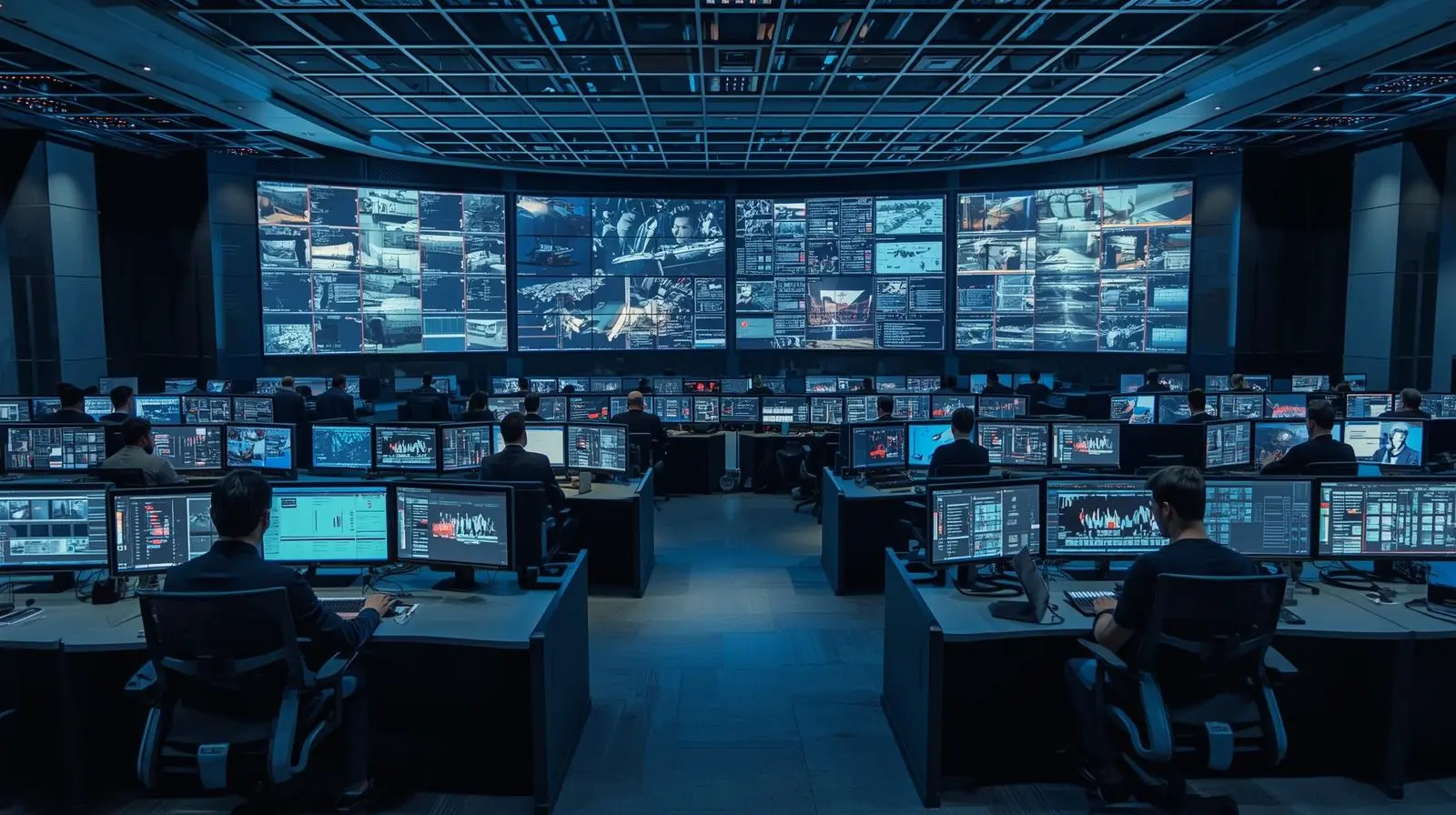
In the world of television, radio, and digital broadcasting, precision and reliability are non-negotiable. Viewers expect flawless transmission, and advertisers demand uninterrupted airtime. Behind every smooth broadcast lies a critical facility known as the Master Control Room (MCR). Often referred to as the heartbeat of broadcast operations, the MCR ensures that all signals are monitored, controlled, and transmitted without error.
This article explores what a master control room is, how it functions, and why it remains vital in modern broadcasting and media operations.
A Master Control Room is a centralized hub where broadcasters manage the flow of content before it reaches audiences. It serves as the final checkpoint where video, audio, graphics, and live feeds are monitored, switched, and distributed.
Unlike production control rooms that focus on creating content, the MCR is responsible for transmitting that content reliably and in compliance with technical and regulatory standards.

Key responsibilities include:
Monitoring all incoming and outgoing feeds
Ensuring broadcast signals meet technical standards
Managing live events and scheduled programming
Handling emergency alerts and backup transmissions
The master control room plays a critical role in keeping broadcasts uninterrupted. Whether it is a live sports event, a news bulletin, or scheduled entertainment, the MCR team ensures flawless delivery.
MCR operators continuously monitor video and audio signals for quality. This includes checking frame rates, aspect ratios, sound levels, and color accuracy.
Live feeds, pre-recorded shows, and commercials are routed through the MCR. Operators switch between these sources with precision to maintain broadcast flow.
Broadcasts must adhere to local and international regulations. The MCR ensures that content meets technical standards, closed captioning requirements, and regional compliance rules.
To better understand its importance, here are the core functions performed within an MCR:
Content Scheduling: Aligning shows, advertisements, and promos based on a strict broadcast schedule.
Transmission Control: Managing satellite, fiber, or IP transmission paths.
Emergency Management: Activating alerts or backup systems during equipment failures or signal loss.
Quality Assurance: Ensuring both video and audio output meet professional broadcast standards.
Security Monitoring: Overseeing restricted access to safeguard broadcast operations.
An MCR is equipped with specialized technology designed to handle complex broadcast operations.
Video servers store pre-recorded programs, commercials, and promos. Automation software ensures content plays according to the scheduled playlist.
These systems manage multiple signal paths, allowing operators to select the right feed for broadcast.
Large displays or monitor walls give operators real-time visibility of all feeds simultaneously.
These devices measure video and audio quality to maintain broadcast accuracy.
Backup servers, power supplies, and signal paths ensure uninterrupted service in case of technical failures.

Though often confused, the MCR and Production Control Room (PCR) serve different purposes.
Production Control Room: Focuses on content creation, directing, and live production activities.
Master Control Room: Focuses on transmission, compliance, and maintaining signal integrity.

The PCR ends its role once a program is finalized, but the MCR ensures that the program is broadcast to millions of viewers seamlessly.
Technology has transformed how MCRs operate. Traditional setups were hardware-heavy, relying on analog systems and manual switching. Today, most modern MCRs are software-driven, using automation and IP-based infrastructure.
Key trends include:
Migration from SDI to IP-based broadcasting
Integration of cloud-based playout systems
Enhanced automation to reduce human error
Remote monitoring capabilities
These advancements make MCRs more efficient, flexible, and scalable to support global broadcasting demands.
Technology powers the MCR, but skilled professionals ensure its success.
Operators monitor feeds, troubleshoot issues, and manage live switching. They are trained to handle emergencies within seconds.
Engineers maintain equipment, ensure redundancy systems are active, and implement new technology solutions.
They oversee overall transmission workflows, ensuring schedules and compliance standards are met.

Together, this team forms the backbone of smooth broadcast operations.
For broadcasters aiming to maintain a high-quality operation, the following practices are essential:
Maintain redundancy for critical systems
Regularly update and test automation software
Train staff in both technical skills and crisis management
Implement strict access control for security
Conduct routine maintenance and calibration of equipment
Ensure disaster recovery plans are in place
Even in a digital-first media environment, the MCR remains irreplaceable. While streaming platforms and cloud playout systems reduce reliance on traditional transmission methods, the principles of signal monitoring, compliance, and redundancy remain the same.
MCRs continue to evolve as hybrid systems, combining traditional broadcast workflows with cloud-based solutions to meet the demands of global audiences.
The Master Control Room is more than just a technical hub. It is the nerve center that ensures audiences receive flawless, reliable, and compliant broadcasts. From monitoring feeds to managing emergencies, the MCR team safeguards the reputation of broadcasters while keeping viewers engaged.
As technology advances, MCRs will continue to adapt, integrating automation, cloud, and IP-based systems. Yet one fact remains unchanged: without a well-managed master control room, broadcast operations simply cannot succeed.
Are you looking to design or upgrade your master control room? Start by focusing on automation, redundancy, and skilled staff to ensure smooth, future-proof operations.
We are proud of the quality of service we provide for all orders and questions from customers. Our customer care team's combined experience and skills, together with our wide choice of products and quick order fulfilment, have helped us establish a solid reputation for providing excellent customer support & service.
Any Query Related Sales
09:00AM to 06:00PM
We welcome comments and feedback about how easy you find the Media K Solutions website to use, which can be communicated by clicking on the Contact Page. If you have questions about delivery, products, service or anything else for that matter, please contact us via live-chat, during office hours, email or telephone. Thanks

 en-gb
en-gb Germany