- Call / Whatsapp : +92 300 8467101
- PKR - Pakistan

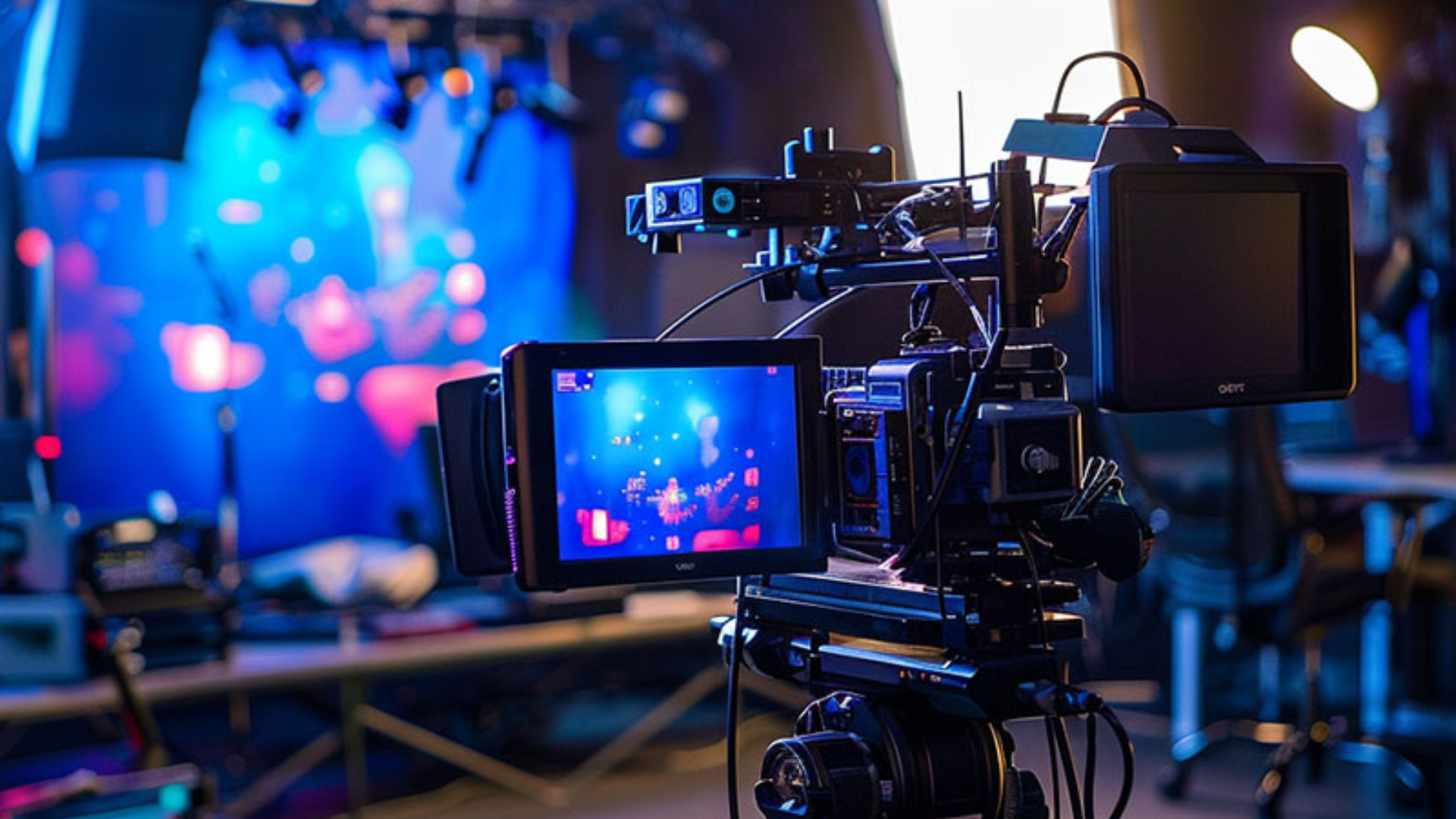
The media landscape is evolving, and two giants are vying for dominance: live streaming and traditional broadcasting. Whether you’re a content creator streaming to Twitch or a network airing a prime-time show, your gear defines your success. Ikegami, a leader in broadcast solutions, powers both worlds with cutting-edge cameras and equipment. But what’s the difference between these two approaches, and what tools do you need to excel in each? In this MKS Blog deep dive, we’ll compare live streaming and traditional broadcasting, spotlight the must-have gear, and show how Ikegami’s solutions can elevate your production. Ready to optimize your setup for maximum reach and lead generation? Let’s get started.
Before we unpack the gear, let’s clarify what sets these two apart.
Live Streaming: Real-time video delivered over the internet to platforms like YouTube, Facebook Live, or Zoom. It’s flexible, accessible, and often targets niche audiences.
Traditional Broadcasting: Content transmitted via TV networks, cable, or satellite, typically with higher production values and broader reach.
Key Differences:
Delivery: Streaming uses IP networks; broadcasting relies on RF signals or cable.
Audience: Streaming often caters to on-demand viewers; broadcasting hits mass markets.
Budget: Streaming can be leaner, while broadcasting demands robust infrastructure.
Both thrive with the right equipment—let’s explore what you’ll need.
Live streaming is all about agility and connectivity. Here’s your toolkit:
For streaming, you need a camera that’s easy to use yet delivers quality. Ikegami’s POV cameras (like the HDL-23) are perfect fits.
Resolution: 1080p minimum, 4K for premium streams.
Portability: Lightweight for solo setups or small crews.
Output: HDMI or SDI to connect to encoders.
Why it works: The HDL-23 offers Full HD with low latency, ideal for Twitch streamers or vloggers.
Encoders compress video for online delivery.
Hardware: Devices like the Blackmagic Web Presenter or Teradek VidiU.
Software: OBS Studio or Wirecast for budget-friendly options.
Bitrate: Adjustable (e.g., 5-10 Mbps) for stable streams.
Ikegami cameras pair seamlessly with encoders, ensuring smooth IP transmission.
Don’t let bad sound ruin your stream.
Microphones: USB mics (e.g., Audio-Technica ATR2100x) or XLR setups with an audio interface.
Mixers: A small mixer like the Rodecaster Pro for multi-mic streams.
Pro Tip: Ikegami’s gear integrates with external audio solutions for a polished output.
Streaming lives or dies by your internet.
Upload Speed: Minimum 5 Mbps, 10-20 Mbps for HD/4K.
Wired Connection: Ethernet beats Wi-Fi for reliability.
Gear Bonus: Portable 5G routers can keep you streaming on the go.
Look professional with minimal fuss.
Ring Lights: Affordable and flattering for talking heads.
Tripods: Compact models for stability.
Streaming setups are lean, but Ikegami’s compact cameras make them powerful.
Traditional broadcasting demands precision and scale. Here’s what you need:
Ikegami’s 4K/HD cameras (e.g., HDK-99) are industry staples.
Resolution: 4K or 8K for crisp, future-ready visuals.
Dynamic Range: 14+ stops for rich detail.
Base Station: Converts signals for broadcast pipelines.
Why it matters: The HDK-99 handles live TV’s high standards with ease.
Broadcasting needs robust signal delivery.
Base Station: Ikegami’s CCUs (Camera Control Units) manage SDI or fiber output.
Microwave Links: For remote broadcasts (Ikegami offers compatible solutions).
Latency: Near-zero for real-time airing.
This ensures your signal reaches viewers without a hitch.
Broadcast audio is non-negotiable.
Shotgun Mics: Directional for clean pickup (e.g., Sennheiser MKH 416).
Mixing Consoles: Multi-channel desks like the Yamaha QL1.
Ikegami cameras sync with pro audio setups for seamless integration.
Live TV thrives on coordination.
Switchers: Video switchers (e.g., Blackmagic ATEM) for multi-camera feeds.
Monitors: Ikegami’s 4K & HD monitors for precise oversight.
This keeps your crew in control of every frame.
Broadcasting requires heavy-duty support.
Cables: SDI or fiber optic for long runs.
Power: UPS systems to avoid outages.
Ikegami’s equipment is designed for this scale, ensuring reliability.
Streamer Example: A gamer uses an Ikegami POV camera, OBS, and a USB mic to stream on Twitch. Total cost? Under $2,000.
Broadcast Example: A sports network deploys Ikegami HDK-99s, microwave links, and a control room for a live match. Investment? Tens of thousands, but unmatched quality.
Audience Size: Small, niche groups? Go streaming. Mass markets? Broadcasting.
Budget: Start small with streaming gear; scale to broadcast as you grow.
Content Type: Casual vlogs suit streaming; polished news needs broadcasting.
Ikegami’s range supports both—start with a POV camera and upgrade to 4K later.
Live streaming and traditional broadcasting each have their strengths, but your gear makes the difference. Ikegami’s broadcast solutions—whether compact POV cameras for streamers or 4K rigs for networks—deliver the quality and reliability you need. For MKS Blog readers, this is your cue to optimize your setup, drive traffic, and capture leads. Ready to go live? Check out Ikegami’s offerings and share your setup ideas below!
We are proud of the quality of service we provide for all orders and questions from customers. Our customer care team's combined experience and skills, together with our wide choice of products and quick order fulfilment, have helped us establish a solid reputation for providing excellent customer support & service.
Any Query Related Sales
09:00AM to 06:00PM
We welcome comments and feedback about how easy you find the Media K Solutions website to use, which can be communicated by clicking on the Contact Page. If you have questions about delivery, products, service or anything else for that matter, please contact us via live-chat, during office hours, email or telephone. Thanks

 en-gb
en-gb Germany

