- Call / Whatsapp : +92 300 8467101
- PKR - Pakistan
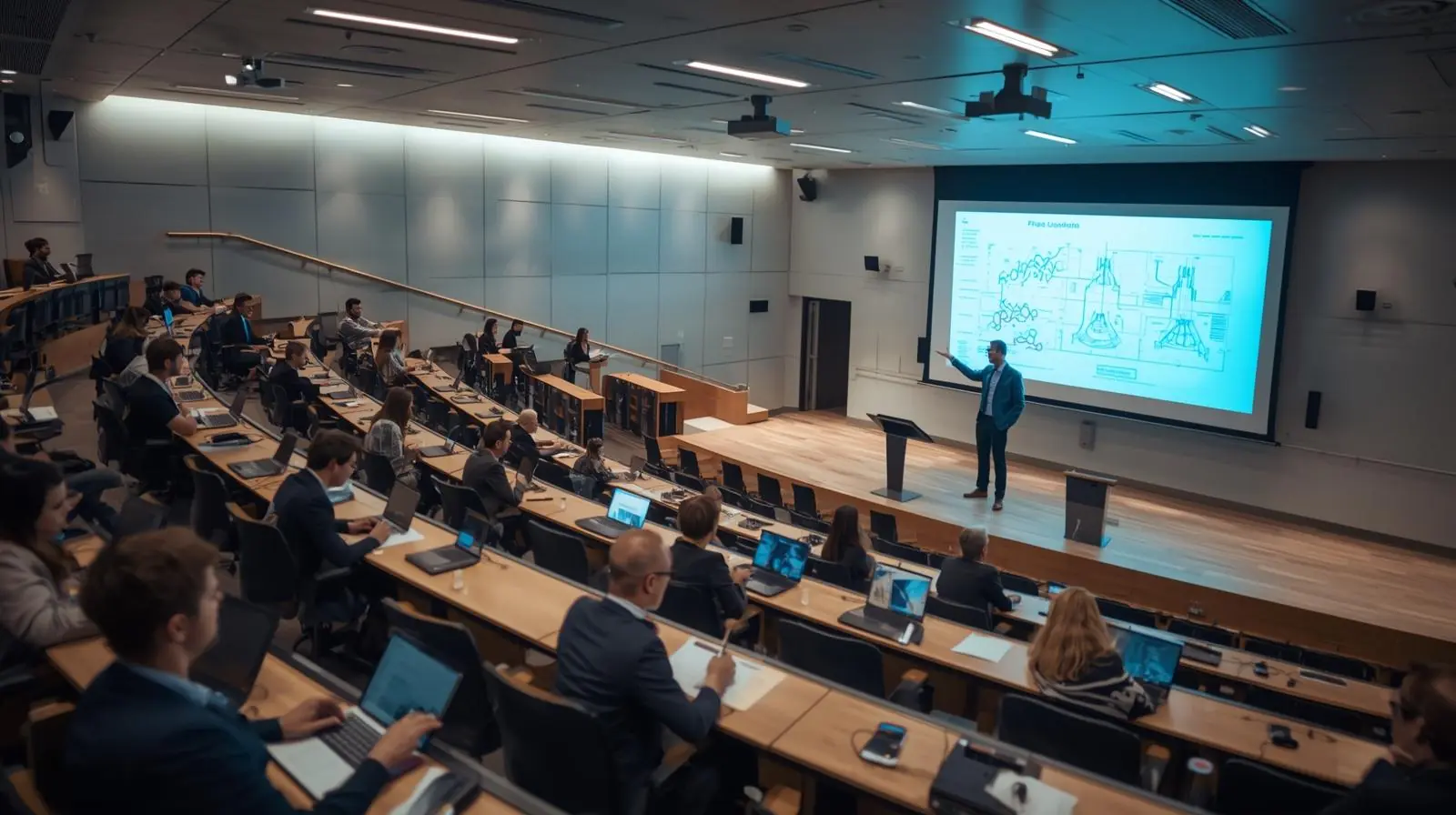
In the modern era of digital education, learning is no longer confined to traditional classrooms. The growing demand for flexibility, accessibility, and personalized learning experiences has led to the rapid adoption of innovative educational technologies. Among these, the lecture recording system stands out as one of the most transformative tools reshaping education worldwide.
A lecture recording system allows educators to record, store, and share their lectures in video or audio formats, enabling students to revisit content anytime, anywhere. Whether used in universities, corporate training environments, or online learning platforms, these systems have become essential for enhancing teaching efficiency, learning outcomes, and overall engagement.
In this blog, we’ll explore what a lecture recording system is, how it works, its key benefits, core features, implementation strategies, and why it has become a cornerstone of modern education.
A lecture recording system (LRS) is a technology that captures live lectures, presentations, or training sessions in digital format. The recorded content can then be stored in a centralized repository, edited if needed, and distributed for on-demand access.

These systems typically include both hardware and software components. The hardware, such as cameras, microphones, and recording devices, captures audio and video. The software component manages recording schedules, editing tools, and integration with Learning Management Systems (LMS) for seamless access and playback.
In simple terms, a lecture recording system bridges the gap between live instruction and flexible, self-paced learning.
The shift toward hybrid and online learning has accelerated the need for robust lecture capture technologies. Students today expect flexible learning environments that accommodate different learning styles and schedules. Institutions, in turn, require tools that ensure accessibility and continuity of education.
Here’s why lecture recording systems have become indispensable:
Improved accessibility: Recorded lectures enable students to catch up on missed classes or revisit complex topics at their own pace.
Enhanced engagement: Students can pause, rewind, and review lectures, leading to better comprehension and retention.
Global reach: Institutions can share recorded sessions with students worldwide, promoting inclusive and borderless education.
Support for hybrid learning: Lecture capture technology supports both in-person and remote students, ensuring equal access to educational content.
Data-driven insights: Many modern systems offer analytics to track student engagement and performance, helping educators refine their teaching methods.

Not all lecture recording solutions are created equal. The effectiveness of an LRS depends on its ability to integrate seamlessly with existing educational workflows, provide reliable performance, and offer a superior user experience. Below are the core features that define a robust lecture recording system.
An efficient lecture recording system automates the recording process, reducing the burden on educators. Scheduling features allow administrators to predefine recording times for specific classrooms or sessions. This ensures that lectures are captured without requiring manual setup.

Clarity is crucial for effective learning. The system should support high-definition video and clear audio capture to maintain student engagement and comprehension. Built-in noise cancellation and adaptive microphone controls help eliminate distractions.
Seamless integration with Learning Management Systems like Moodle, Blackboard, or Canvas enhances usability. This allows students to access recorded lectures directly through their existing course portals, creating a unified learning experience.
Cloud-based lecture recording systems offer scalability and flexibility. Recorded sessions can be securely stored in the cloud, making them accessible anytime and from any device. This is particularly valuable for distance learners and global institutions.
Post-recording editing tools enable instructors to trim, annotate, or add supplementary materials to recordings. This helps create more polished and interactive learning content that aligns with course objectives.
Advanced lecture recording platforms use speech recognition and metadata tagging to make videos searchable. Students can jump to specific keywords or topics within a lecture, saving valuable time during revision.
With growing concerns about data privacy, a reliable system must ensure encrypted storage, secure access controls, and compliance with institutional policies and regulations such as GDPR or FERPA.
Analytics dashboards provide insights into how students engage with recorded content. Educators can see which parts of a lecture are rewatched most frequently, identify areas where students struggle, and adjust future lessons accordingly.
Adopting a lecture recording system brings tangible benefits to both educators and learners. Let’s explore the key advantages in detail.
Students today juggle academics, work, and personal commitments. Lecture recordings give them the freedom to learn on their schedule. Whether reviewing before exams or catching up after illness, recorded lectures promote self-paced learning.
Studies have shown that students who have access to recorded lectures perform better academically. The ability to pause, rewind, and replay complex sections enhances understanding and long-term retention.
Lecture recording systems make education more inclusive for students with disabilities or those who speak different languages. Captioning, transcripts, and playback controls make learning accessible to all.

Instead of repeating lectures or answering the same questions multiple times, instructors can direct students to recorded materials. This frees up time for more interactive discussions and personalized support.
Recorded lectures ensure consistency across multiple sessions or campuses. Institutions can maintain uniform quality in course delivery, especially when multiple instructors teach the same subject.
For universities and organizations expanding into online and hybrid learning, lecture recording systems provide a foundation for scalable education delivery. They allow institutions to cater to larger audiences without compromising quality.
Selecting the best lecture recording system requires careful consideration of institutional goals, technical infrastructure, and user needs. Here are the essential factors to evaluate before making a decision.
The system should be intuitive for both instructors and students. Complicated software can discourage adoption. Look for a platform that requires minimal technical training.
Ensure compatibility with existing LMS platforms, video conferencing tools, and IT infrastructure. Cross-platform support for Windows, macOS, and mobile devices is essential.
Choose a solution that can grow with your institution’s needs. Cloud-based systems typically offer the best scalability and cost-efficiency.
Evaluate pricing models, whether subscription-based or one-time licenses. Consider factors like storage costs, maintenance, and customer support when calculating long-term value.
A strong customer support system ensures smooth implementation and ongoing assistance. Look for vendors that provide documentation, tutorials, and responsive technical support.
A successful rollout depends not just on the technology itself but also on how it’s implemented and integrated into the learning environment. Here are some best practices to follow:
Train educators and staff on using the system effectively.
Create clear recording policies outlining ownership, privacy, and sharing guidelines.
Encourage student feedback to continuously improve the experience.
Integrate lecture recordings with course materials to form a complete learning ecosystem.
Regularly monitor analytics to assess engagement and optimize teaching strategies.
The future of lecture recording systems is closely tied to advances in artificial intelligence (AI), machine learning (ML), and natural language processing (NLP). Future-ready systems will go beyond simple recording to provide intelligent insights, automatic summarization, real-time translation, and adaptive learning recommendations.
Additionally, virtual and augmented reality (VR/AR) integration could take lecture recording to the next level by creating immersive, interactive learning experiences that mimic real-world classrooms.

As education continues to evolve, the lecture recording system will remain a central pillar of digital transformation, helping institutions create smarter, more connected learning environments.
The rise of the lecture recording system marks a significant milestone in the digital evolution of education. By combining accessibility, flexibility, and analytics-driven insights, these systems empower both educators and learners to achieve more.
Whether you’re a university looking to enhance hybrid learning or a corporate organization aiming to streamline training delivery, investing in a reliable lecture recording system is a forward-thinking decision. It ensures that learning is not limited by time, place, or circumstance.
Embrace the power of lecture recording technology and transform how knowledge is delivered, shared, and experienced.
We are proud of the quality of service we provide for all orders and questions from customers. Our customer care team's combined experience and skills, together with our wide choice of products and quick order fulfilment, have helped us establish a solid reputation for providing excellent customer support & service.
Any Query Related Sales
09:00AM to 06:00PM
We welcome comments and feedback about how easy you find the Media K Solutions website to use, which can be communicated by clicking on the Contact Page. If you have questions about delivery, products, service or anything else for that matter, please contact us via live-chat, during office hours, email or telephone. Thanks

 en-gb
en-gb Germany