- Call / Whatsapp : +92 300 8467101
- PKR - Pakistan

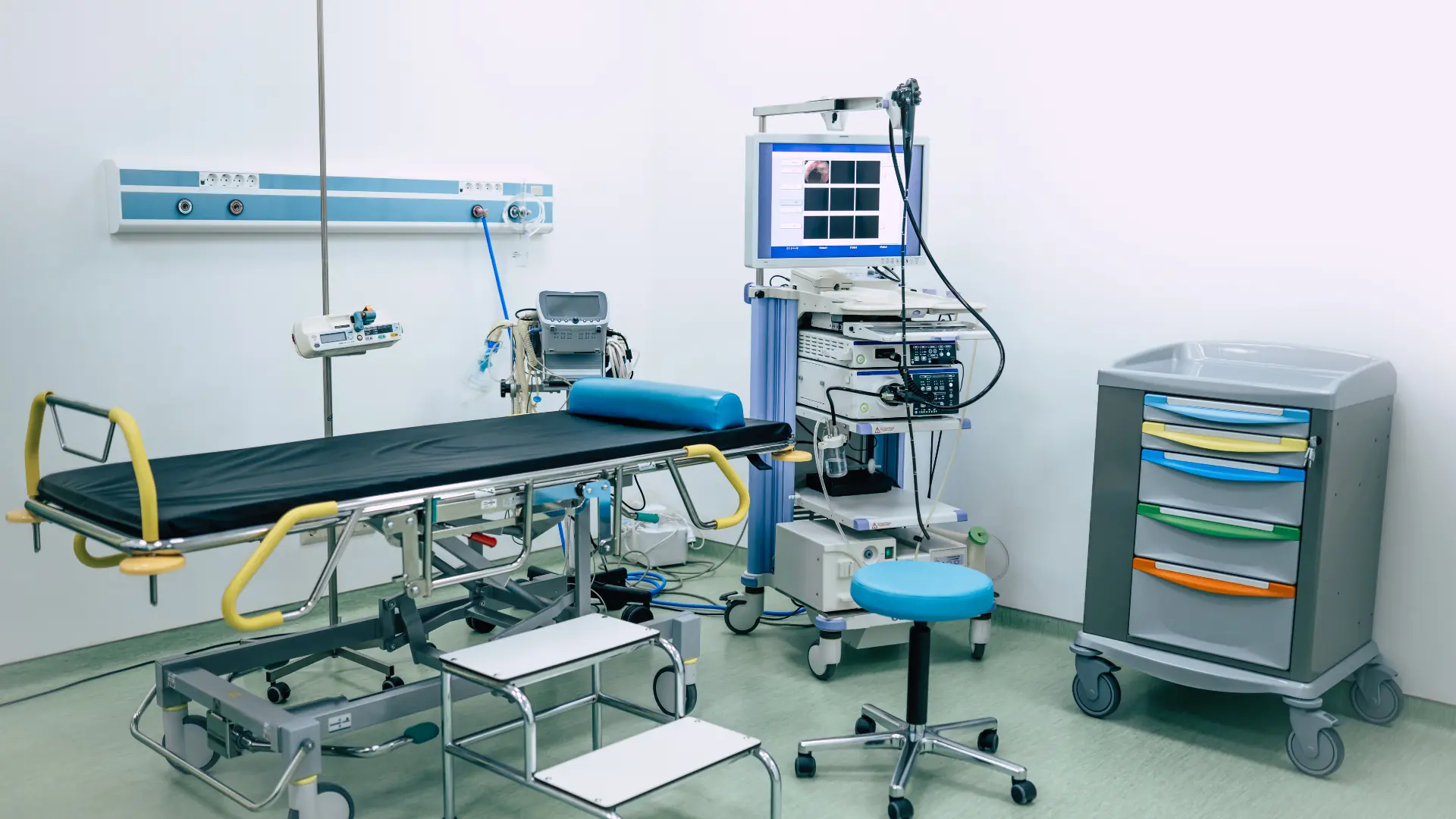
Surgery has always required precision, but minimally invasive surgery today takes that necessity to new extremes. Enter the 4K endoscopy camera—innovative equipment that provides ultra-high-definition images, changing the way surgeons perform and patients heal. With four times the resolution of regular HD, these systems provide unmatched clarity, allowing for improved decision-making and better results. But why is 4K endoscopy a requirement in operating rooms today? Let's take a look at how this technology is improving surgical precision, safety, and efficiency—and why it's revolutionizing healthcare.

Minimally invasive surgery (MIS) has become increasingly popular, with more than 13 million laparoscopic procedures conducted worldwide annually, as reported by a 2023 surgical trends report. Shorter incisions translate to quicker recoveries, but they restrict a surgeon's direct line of sight. Endoscopy cameras fill that void, and 4K fills it even more. Released in medical imaging in about 2015, 4K provides 3840 x 2160 pixels—detail so precise it's comparable to the human eye. For surgeons performing delicate procedures such as tumor removals or vascular repair, this precision is a lifeline. Here's how 4K endoscopy cameras improve surgical outcomes.
4K endoscopy significantly enhances surgical precision by offering ultra-high-definition visuals with four times the resolution of standard HD. This increased clarity allows surgeons to see minute details, such as fine blood vessels, tissue layers, and even the smallest anatomical structures, which would be difficult to distinguish with lower-resolution systems. The crisp, detailed images help improve decision-making, reduce the risk of errors, and allow for more precise incisions and surgical maneuvers
The defining feature of 4K is its resolution. In comparison to 1080p HD, 4K captures nuances—such as small blood vessels or slight tissue movements—that may otherwise remain invisible. The key advantages are:
Increased Depth Perception: 4K's pixel density enhances 3D visualization, essential for working with complicated anatomy.
Color Accuracy: High-tech sensors produce true-to-nature colors, enabling surgeons to differentiate between healthy and diseased tissue.
Zoom Without Loss: Digital zooming preserves sharpness, perfect for delicate procedures.
During a gallbladder removal, for example, a 4K camera can detect a concealed bile duct abnormality, which can avoid detrimental cuts that may result in complications.
Keyword Tip: "4K endoscopy camera definition" and "high-definition surgical vision" work perfectly here.
Surgery is not merely about cutting—it's about knowing what you see. 4K endoscopy improves diagnostic accuracy by offering high-resolution images that reveal minute details. Surgeons can better visualize tissue, blood vessels, and abnormalities, reducing the risk of errors. This clarity ensures more precise decisions and improved surgical outcomes.
Identifying Subtle Lesions: Incipient cancers or polyps are highlighted in clear detail.
Real-Time Analysis: Surgeons can assess tissue viability in real-time, not after the fact.
Combination with AI: Combined with artificial intelligence, 4K systems identify abnormalities immediately.
A 2022 study published in Surgical Endoscopy discovered that 4K imaging lowered diagnostic errors by 18% in colorectal surgery, highlighting its effect.
Keyword Tip: "4K endoscopy diagnostics" and "correct surgical imaging" are precision-specific search terms.
Operating through constricted areas—such as the brain or spine—requires perfect vision. 4K cameras perform superbly with ultra-high-definition resolution, providing clear, detailed images of even the smallest structures. Their ability to capture fine anatomical details allows surgeons to navigate tight spaces with precision, minimizing risks. This enhanced clarity improves decision-making, ensuring safer and more accurate procedures in delicate areas.
Wide Field of View: Captures more of the surgical site without panning.
Low-Light Performance: High sensitivity ensures visibility in dimly lit cavities.
Flexible Scopes: Articulating tips reach angles traditional cameras can’t.
For neurosurgeons removing a pituitary tumor, 4K clarity means avoiding critical structures like the optic nerve, reducing risks dramatically.
Keyword Tip: “4K endoscopy navigation” and “advanced surgical visualization” boost relevance.
Improving safety and efficiency in healthcare begins with adopting smart, dependable technologies that enhance clinical workflows without creating complexity. From automated imaging devices to integrated data platforms, these technologies reduce errors, improve patient care, and streamline operations. By enhancing accuracy and reducing manual work, healthcare teams can dedicate more time to what counts most—providing safe, efficient, and high-quality care.
High-resolution imagery is instrumental to improving surgical accuracy and patient protection, and leading the charge among these developments is 4K imaging systems. Four times that of typical HD, 4K technology captures sharper, crisper images so that surgeons are able to delineate anatomical structures with breathtaking clarity.
Reduce Bleeding: Accurate recognition of vessels helps avoid damage accidentally.
Minimize Errors: Enhanced contrast lowers the likelihood of error in misinterpreting tissues.
Shorten Procedure Time: Speedier, more assured decisions reduce OR time.
During laparoscopic hysterectomies, 4K has been associated with a 15% reduction in post-op complications, according to a 2023 Journal of Minimally Invasive Gynecology study.
Keyword Tip: "4K endoscopy safety" and "cut surgical complications" resonate with safety-focused readers.
Surgery is teamwork, and 4K optimizes collaboration. With 4K endoscopy, all members of the surgical team can view high-resolution images simultaneously, ensuring everyone is on the same page. This shared, detailed visual experience enhances communication, allowing for more synchronized actions during procedures. The clarity and precision of 4K imaging improve decision-making, making it easier for the team to collaborate effectively and achieve the best possible patient outcomes.
High-Resolution Displays: OR monitors display the same level of detail surgeons have, which benefits assistants.
Real-Time Recording: Records procedures for review or training, in sync with hospital systems.
Telemedicine Ready: Transmits live feeds to off-site specialists for intraoperative consults.
For a complicated cardiac procedure, a 4K feed allows an off-site expert to lead the team, blending experience with technology.
Keyword Tip: "4K endoscopy team efficiency" and "surgical collaboration tools" rank workflow searches.
Practical Benefits for Patients and Facilities

Minimally invasive procedures shine with 4K support. 4K imaging provides unmatched clarity in small incisions, allowing surgeons to work with precision while minimizing tissue disruption. The high-definition visuals help identify critical structures and navigate delicate areas, enhancing the accuracy of each move. This leads to less trauma, quicker recovery times, and better patient outcomes, making 4K an invaluable tool in the realm of minimally invasive surgery.
Fewer Incisions: Precision minimizes tissue trauma.
Fewer Revisions: First-time, accurate surgeries decrease reoperation rates.
Shorter Hospital Stays: Patients recover faster, saving bed space.
A patient having 4K-guided knee arthroscopy can be discharged same-day, as opposed to days with older technology.
Keyword Tip: "4K endoscopy recovery" and "benefits of minimally invasive surgery" aim at patient outcomes.
When evaluating a medical imaging system, it's important to consider not just the upfront cost but also its long-term cost-effectiveness. A high-quality system may require a larger initial investment, but it often delivers better durability, fewer repairs, and more accurate diagnostics all of which can significantly reduce operational costs over time. Additionally, energy-efficient models and those with low maintenance requirements can further enhance savings, making them a smarter financial choice in the long run.
Durability: Designed for intensive OR use with modular upgrades.
Fewer Errors: Fewer complications translate into lower liability expenses.
Training Value: Pre-recorded footage saves training costs.
A hospital using 4K endoscopy saw a 20% ROI in two years, including efficiency gains and patient throughput.
Keyword Tip: "Cost-effective 4K endoscopy" and "long-term surgical investment" direct budget questions.
When choosing a 4K endoscopy camera, image clarity is paramount — look for cameras that deliver ultra-high resolution with true color reproduction to enhance diagnostic accuracy and surgical precision. Low-light performance is another critical factor, ensuring clear visuals even in minimally illuminated areas. Additionally, consider systems with advanced image processing, digital zoom, and anti-fog or anti-glare technology for improved visibility.
Sensor Quality: High dynamic range CMOS sensors for best-in-class visuals.
Light Source: Adjustable intensity LED illumination for best brightness.
Ergonomics: Light scopes minimize surgeon fatigue during extended procedures.
Sterilization: Autoclavable or disposable models for infection prevention.
Connectivity: HDMI/SDI outputs and PACS integration for easy data transfer.
A system such as MedImaging's 4K EndoPro does all this, combining performance with practicality.
Keyword Tip: "best 4K endoscopy cameras" and "features of surgical imaging systems" inform product searches.
Imagine a laparoscopic appendectomy: A 4K camera exposes an inflamed appendix hiding behind tissue, not visible in HD. The surgeon safely removes it, preventing perforation—a patient win. Or a spinal fusion: 4K imagery helps direct screw placement to within millimeters, reducing nerve damage risk. These aren't just hypotheticals—hospitals globally report such successes on a daily basis.
Learning Curve: Surgeons must be trained to optimize 4K benefits.
Infrastructure: ORs need 4K-capable monitors and cabling.
Cost Barrier: Smaller clinics might find initial investment challenging.
However, as adoption increases and costs decrease, these barriers diminish. Training programs and financing from vendors such as MedImaging make the transition easier.

To implement 4K endoscopy, select a system that suits your procedures and upgrade to 4K-compatible monitors. Train your team on the technology and integrate data storage solutions for large image files. Ensure compliance with industry standards and provide regular maintenance. This will optimize the system’s effectiveness in improving surgical precision.
Assess Needs: Align system specs with your surgical volume and specialties.
Upgrade Gradually: Begin with one OR, then expand as benefits are realized.
Train Staff: Employ recorded 4K video for hands-on training.
Partner with Experts: Hire vendors for installation and technical support.
4K endoscopy cameras are not an upgrade—They're a revolution in surgical care. From clearer images to safer surgeries and quicker recoveries, they enable surgeons to deliver their best while prioritizing patients. The investment reaps rewards in precision, efficiency, and trust. Ready to experience the difference? Discover MedImaging's 4K solutions and take your OR to the next level today.
Contact MedImaging today to schedule a free demo or consultation, and discover how our advanced systems can transform your surgical outcomes.
We are proud of the quality of service we provide for all orders and questions from customers. Our customer care team's combined experience and skills, together with our wide choice of products and quick order fulfilment, have helped us establish a solid reputation for providing excellent customer support & service.
Any Query Related Sales
09:00AM to 06:00PM
We welcome comments and feedback about how easy you find the Media K Solutions website to use, which can be communicated by clicking on the Contact Page. If you have questions about delivery, products, service or anything else for that matter, please contact us via live-chat, during office hours, email or telephone. Thanks

 en-gb
en-gb Germany