- Call / Whatsapp : +92 300 8467101
- PKR - Pakistan

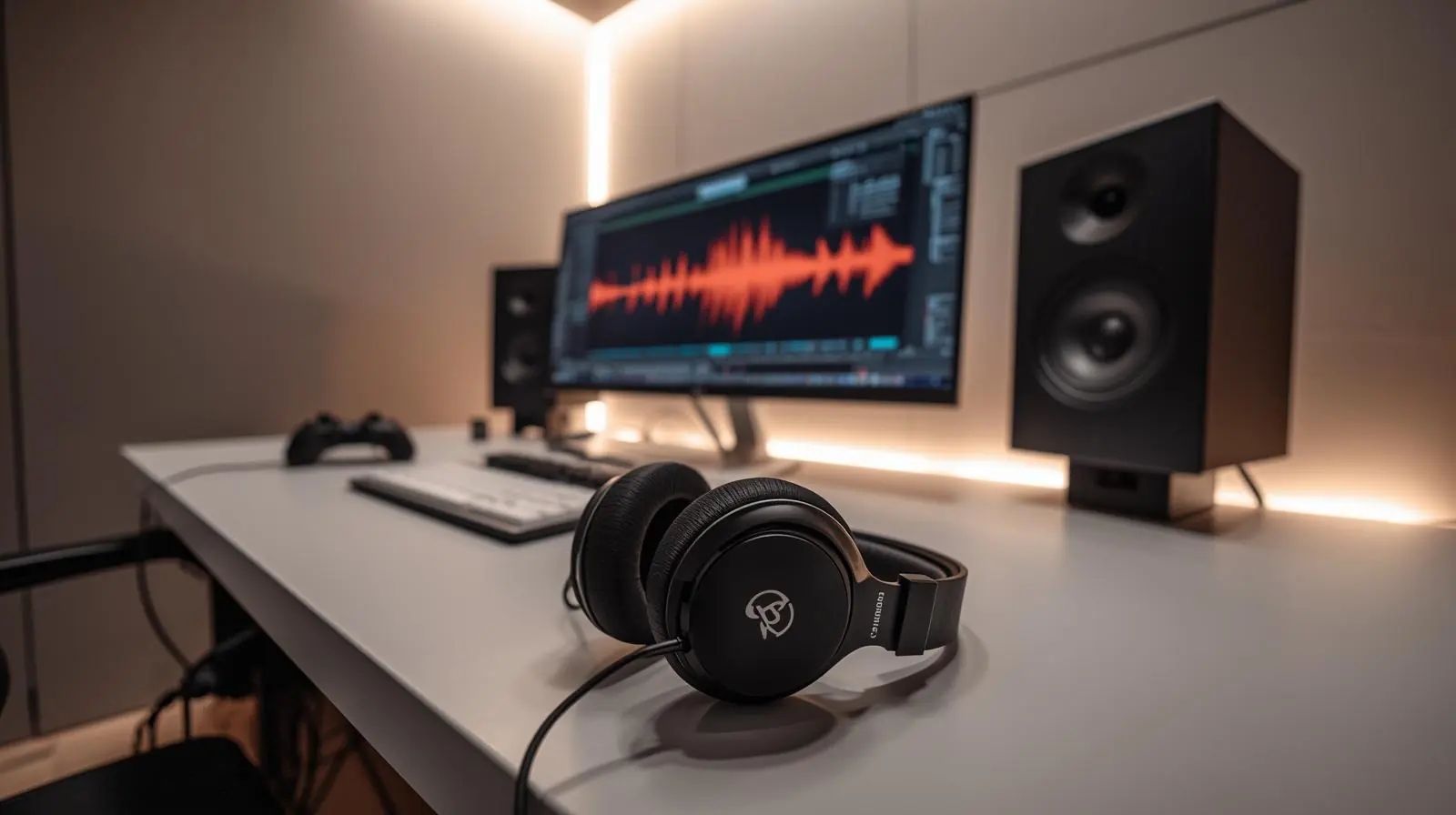
The way we listen to music is evolving faster than ever. From vinyl records to streaming platforms, each era has brought new technologies that shape the way sound is experienced. Today, two innovations are at the center of this transformation: high-resolution audio and AI mastering. Together, they are redefining how music is created, produced, and enjoyed.
For artists, producers, and listeners alike, understanding these technologies is key to appreciating the future of audio. This article explores what high-resolution audio and AI mastering mean, how they work, and why they are changing the landscape of music production and consumption.
What is High-Resolution Audio?
High-resolution audio (often called hi-res audio) refers to digital sound files with a higher sampling rate and bit depth than standard formats like MP3 or CD. The goal is simple: capture more detail, preserve more nuance, and reproduce sound closer to the original studio recording.

Sampling rate: Typically 96 kHz or 192 kHz, compared to 44.1 kHz for CDs.
Bit depth: Usually 24-bit, compared to 16-bit on CDs.
Dynamic range: Greater detail in soft and loud passages, resulting in a more immersive listening experience.
Closer to “studio-quality” sound.
Clearer instrument separation.
Reduced distortion and compression artifacts.
A more natural and engaging listening experience.
As more streaming services adopt hi-res formats, consumers are beginning to demand the kind of fidelity once reserved for audiophiles.
The Rise of AI in Music Production
Artificial intelligence is no longer confined to tech labs. In the music industry, AI is playing a critical role in areas like songwriting, mixing, and mastering. One of the most impactful applications is AI mastering, which uses machine learning to optimize audio tracks automatically.

AI mastering platforms analyze uploaded tracks using algorithms trained on thousands of professional masters. They apply adjustments to balance frequencies, enhance dynamics, and optimize loudness to meet streaming or distribution standards.
This process, once requiring hours in a studio with an experienced engineer, can now be completed in minutes with AI tools.
Speed: Quick turnaround times compared to traditional mastering.
Accessibility: Affordable for independent musicians who may not have the budget for a professional engineer.
Consistency: Reliable results across multiple tracks and genres.
Scalability: Ideal for creators releasing high volumes of content.
High-Resolution Audio Meets AI Mastering
The true innovation emerges when these two technologies converge. High-resolution audio provides the canvas, and AI mastering acts as the brush, ensuring that every detail is polished for playback across a wide range of devices.

AI algorithms can take advantage of hi-res audio files by fine-tuning subtle frequency ranges.
The result is more precise control over clarity, balance, and dynamics.
Listeners hear the music as close as possible to the artist’s intent, without compromise.
AI mastering ensures hi-res files maintain their depth and quality after distribution.
Artists can experiment freely, knowing they have access to professional-grade tools.
Independent musicians can compete with major label productions in terms of sound quality.
Addressing Concerns About AI Mastering
While AI mastering offers clear benefits, it also raises questions about artistry and authenticity. Some argue that AI cannot replace the creative intuition of a human mastering engineer.
Human engineers: Bring subjective taste, experience, and the ability to adapt to unique artistic visions.
AI tools: Provide speed, affordability, and consistency, especially useful for demos, singles, or independent releases.
The future may not be about choosing one over the other but finding a balance. Many artists use AI mastering for early stages, then collaborate with human engineers for final refinement.
The Future of Music Production
As technology advances, high-resolution audio and AI mastering will continue to intersect in exciting ways. We can expect improvements such as:
Smarter AI models that adapt to genre-specific mastering styles.
Greater adoption of hi-res streaming formats by mainstream platforms.
Seamless integration of AI mastering within digital audio workstations (DAWs).
Broader accessibility for creators worldwide.
These developments point to a more democratized music industry where both beginners and professionals have access to tools once reserved for elite studios.

Conclusion: Why It Matters Now
High-resolution audio and AI mastering are not just technical upgrades. They represent a cultural shift in how music is experienced and produced. Listeners gain richer, more authentic sound. Artists gain faster, more affordable ways to release high-quality tracks. And the industry as a whole moves toward greater accessibility and innovation.
For musicians looking to compete in today’s digital landscape, adopting these technologies is not optional. It is essential.
Ready to take your sound to the next level? Explore high-resolution audio formats and try AI mastering tools today to experience the difference.
We are proud of the quality of service we provide for all orders and questions from customers. Our customer care team's combined experience and skills, together with our wide choice of products and quick order fulfilment, have helped us establish a solid reputation for providing excellent customer support & service.
Any Query Related Sales
09:00AM to 06:00PM
We welcome comments and feedback about how easy you find the Media K Solutions website to use, which can be communicated by clicking on the Contact Page. If you have questions about delivery, products, service or anything else for that matter, please contact us via live-chat, during office hours, email or telephone. Thanks

 en-gb
en-gb Germany