- Call / Whatsapp : +92 300 8467101
- PKR - Pakistan

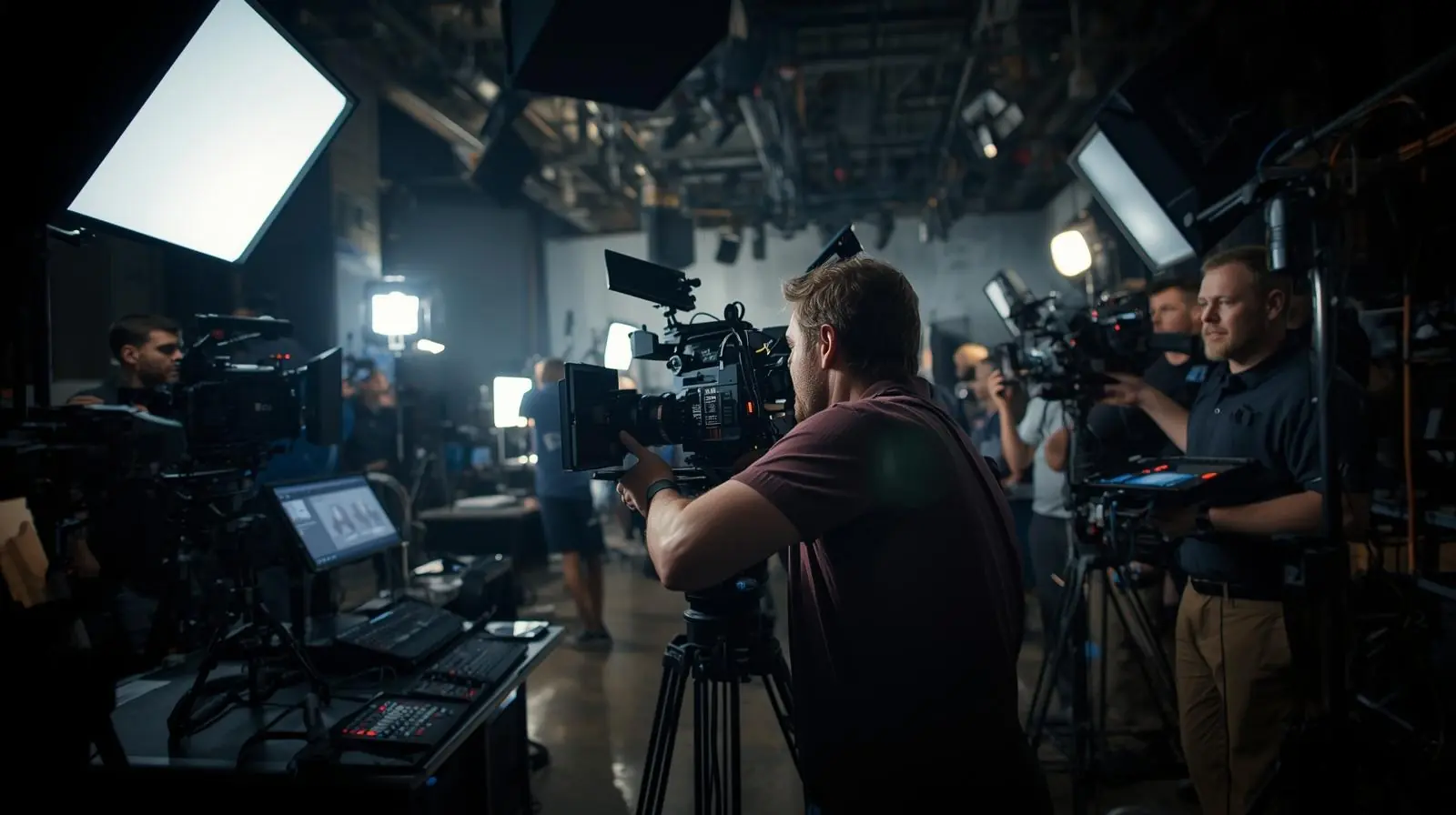
In today’s fast-evolving world of filmmaking and digital content creation, the choice of camera is one of the most important decisions a filmmaker can make. The camera defines the visual style, production workflow, and even how a story feels on screen. Two main categories dominate modern film production: cinema cameras and hybrid cameras.
While both are capable of producing stunning results, each serves a different type of creator and production need. Understanding their strengths, limitations, and ideal use cases can help you choose the right tool for your next project.
A cinema camera is purpose-built for professional video production. Every part of its design, from image sensors to file formats, is optimized for motion picture work rather than still photography.

Cinema cameras are the backbone of film sets, commercial productions, and high-end digital content. They offer exceptional control over image quality, color science, and recording flexibility.
Professional codecs and formats: Cinema cameras capture footage in high-bitrate formats like ProRes, CinemaDNG, or RAW. This provides far more data for color correction and visual effects work.
Exceptional dynamic range: These cameras often capture 12 to 16 stops of dynamic range, preserving details in both highlights and shadows.
Color depth and grading flexibility: Cinema cameras record in 10-bit or 12-bit color, giving colorists a wider palette in post-production.
Modular design: Most cinema cameras are designed for rigging. You can attach follow-focus systems, matte boxes, monitors, external recorders, and professional microphones.
Professional audio inputs: Built-in XLR inputs, timecode sync, and SDI outputs make it easy to integrate into professional workflows.
Reliable thermal management: Cinema bodies are built to handle continuous recording for hours without overheating.
Popular cinema cameras include the ARRI Alexa, RED Komodo, Blackmagic URSA Mini Pro, and Canon EOS C-series. These models are widely used across feature films, television, and commercial productions.
A hybrid camera is a stills camera that also excels at video. These are often mirrorless or DSLR systems designed for photographers who also need high-quality video recording. Over the last decade, hybrids have evolved rapidly, narrowing the gap between stills and cinema gear.

Portability and compactness: Hybrid cameras are smaller and lighter, making them ideal for travel, vlogging, and run-and-gun filmmaking.
Stills and video in one body: They allow creators to shoot both photos and videos without changing systems.
Advanced autofocus systems: Many hybrids offer subject tracking, eye detection, and fast autofocus, which are valuable for solo operators.
In-body stabilization (IBIS): This helps capture smoother handheld shots and reduces the need for gimbals in smaller productions.
Affordability: Hybrid cameras are typically more budget-friendly than cinema bodies, making them ideal for freelancers and independent creators.
Recording limits: Many hybrids still have time limits for continuous recording or face overheating in long takes.
Less robust connectivity: They typically use 3.5 mm audio inputs instead of XLR and may lack SDI or timecode ports.
Compressed codecs: Hybrid cameras often rely on more compressed file formats that offer less flexibility in post-production.
Less durable under extended use: Their smaller size and lighter build make them less suited for long professional shoots.
| Feature | Cinema Camera | Hybrid Camera |
|---|---|---|
| Primary purpose | Professional filmmaking | Stills and video versatility |
| Recording format | RAW, ProRes, Log profiles | HEVC, H.264, compressed codecs |
| Dynamic range | 12+ stops | 10–12 stops |
| Audio inputs | XLR, timecode sync | 3.5 mm, limited options |
| Ergonomics | Built for rigs and long setups | Lightweight, handheld friendly |
| Recording time | Unlimited | Often limited |
| Cost | Higher | Lower |
| Post-production flexibility | Extensive | Moderate |

Cinema cameras excel in controlled, professional settings where image fidelity and workflow integration are essential. Hybrid cameras, on the other hand, are built for flexibility, ease of use, and affordability.
Cinema cameras are the preferred choice when quality, control, and reliability are non-negotiable.
Feature films and high-end commercials
When maximum dynamic range and grading flexibility are needed, a cinema camera delivers unmatched results.
Studio and multi-camera environments
They integrate easily into professional setups with SDI outputs, timecode sync, and external monitoring.
Extended recording sessions
Cinema cameras are built for long, uninterrupted shooting without overheating or frame drops.
High-budget productions
Large productions benefit from the robustness and workflow consistency of cinema systems.

Cinema cameras provide peace of mind on set, especially when every frame counts and reshoots are costly.
Hybrid cameras are ideal for creators who need versatility, portability, and affordability.
Documentaries and travel projects
Lightweight and discreet, hybrid cameras are perfect for capturing spontaneous moments and traveling light.
Corporate and social media content
Hybrid systems can produce professional results quickly with minimal setup, ideal for brand videos and online platforms.
Solo shooters and small crews
With advanced autofocus and stabilization, a single operator can achieve cinematic shots without heavy equipment.
Photo and video hybrid workflows
Ideal for photographers expanding into motion content or for productions that require both stills and video deliverables.

Hybrids make sense when mobility, efficiency, and simplicity are top priorities.
Choosing between a cinema and hybrid camera requires understanding your needs, workflow, and budget.
If your work involves feature films, commercials, or broadcast content, a cinema camera is the clear choice. For online videos, events, and corporate content, a hybrid camera may be more practical.
Cinema cameras generate large RAW or ProRes files that require significant storage and processing power. Hybrids use more compressed formats that are easier to handle but limit color correction flexibility.
Cinema cameras benefit from dedicated camera operators, focus pullers, and gaffers. Hybrid cameras are more suited to solo creators or small crews.
Cinema cameras cost more not only upfront but also in accessories, media, power, and lenses. Hybrid cameras offer a lower entry cost and easier scalability.
If you plan to scale into higher-end productions, starting with a hybrid and upgrading later can be a smart path. Many creators build skills and portfolios with hybrids before moving into cinema systems.
Technological progress has narrowed the gap between cinema and hybrid cameras. Many hybrids now offer 10-bit recording, internal RAW options, and advanced Log profiles. Meanwhile, cinema cameras are becoming smaller, lighter, and more user-friendly.
Manufacturers are merging features from both categories. For example, hybrid cameras are gaining professional codecs and monitoring tools, while cinema bodies now feature touchscreen interfaces and autofocus borrowed from mirrorless systems.
This convergence benefits creators by expanding the range of tools that can deliver professional results. The real difference is no longer just about specs but about how you use the camera in your workflow.
ARRI Alexa Mini LF
RED Komodo or V-Raptor
Canon EOS C300 Mark III
Blackmagic URSA Mini Pro
Sony FX9
Canon EOS R5 II
Sony A7S III
Panasonic Lumix S1H
Nikon Z8
Fujifilm X-H2S
Each of these cameras targets different levels of production, from independent projects to large-scale shoots. Your choice should balance creative vision, technical requirements, and production scale.
Test your workflow before production: Run test shoots to ensure your chosen codec, LUT, and color settings integrate with post-production.
Prioritize good lighting: Even the best camera depends on lighting for quality results.
Monitor exposure accurately: Use waveform monitors, zebras, or false color to control highlights and shadows.
Plan data management: Large files require fast cards and reliable backup strategies.
Use external monitors and recorders: Improve monitoring accuracy and extend recording capabilities.
Stay consistent with color management: Apply standard LUTs and profiles across all cameras if using multiple systems.
Choosing between a cinema and hybrid camera depends on your goals, workflow, and production scale. Cinema cameras offer unmatched image quality, reliability, and integration for professional filmmaking. Hybrid cameras bring portability, versatility, and accessibility for creators who value flexibility.
For many filmmakers, the best approach is to start with a hybrid camera to build skill and experience, then upgrade to a cinema system as project demands grow. Both types can produce cinematic results when used creatively and supported by good lighting, storytelling, and sound.
If you are ready to take your film production to the next level, assess your workflow, set your creative goals, and choose a camera system that aligns with your vision. The right tool will not only enhance your visuals but also make your entire production process more efficient and enjoyable.
We are proud of the quality of service we provide for all orders and questions from customers. Our customer care team's combined experience and skills, together with our wide choice of products and quick order fulfilment, have helped us establish a solid reputation for providing excellent customer support & service.
Any Query Related Sales
09:00AM to 06:00PM
We welcome comments and feedback about how easy you find the Media K Solutions website to use, which can be communicated by clicking on the Contact Page. If you have questions about delivery, products, service or anything else for that matter, please contact us via live-chat, during office hours, email or telephone. Thanks

 en-gb
en-gb Germany