- Call / Whatsapp : +92 300 8467101
- PKR - Pakistan

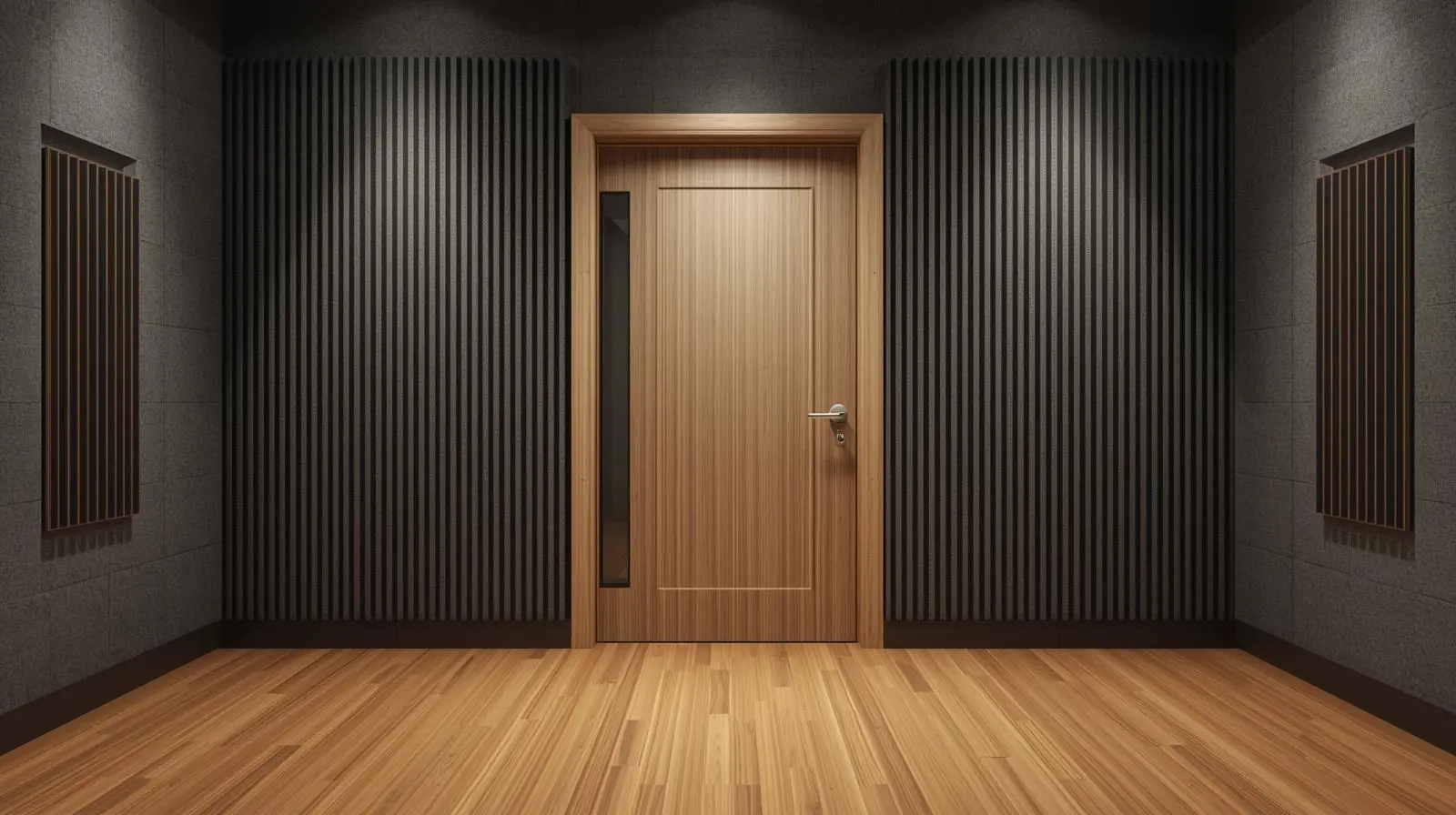
Creating a professional recording space requires more than just acoustic panels and quality equipment. One of the most overlooked aspects of sound isolation is the studio door. A standard interior door is often the weakest point in a studio build, allowing sound to leak in and out. If you are serious about controlling noise and achieving clean recordings, investing in a proper soundproof studio door is essential.
A studio door does more than separate spaces. It acts as a barrier against outside noise and prevents sound from escaping into other rooms. Without proper sound isolation, even the best microphones will pick up unwanted traffic noise, footsteps, or voices from nearby rooms.
A high-quality soundproof studio door also improves the working environment. Artists and producers can focus without distractions, while neighbors or family members are not disturbed by long recording sessions.
When choosing the right door for your studio, look for the following features:
Solid core construction: Hollow doors are lightweight and poor at blocking sound. Solid wood or engineered composite cores provide mass, which is essential for soundproofing.
Sealed edges: Sound often escapes through gaps. Doors with acoustic seals or weatherstripping block these leaks.
Heavy weight: A heavier door generally provides better noise reduction.
Double or reinforced layers: Some doors include multiple layers of MDF, plywood, or metal for maximum isolation.
Acoustic rating: Check for STC (Sound Transmission Class) ratings. A higher STC means better sound blocking.

Not all doors are built the same. Here are common options used in professional and home studios:
These are the most cost-effective solution. A solid wood or composite door provides decent soundproofing when paired with seals and thresholds. Ideal for small home studios or budget-conscious setups.

These are purpose-built for studios and come pre-engineered with soundproofing materials. They often include multiple layers, acoustic seals, and high STC ratings. They are more expensive but provide superior results.
Placing two doors with a small air gap between them creates a sound lock. This method drastically reduces noise transmission and is often used in professional recording studios.

For maximum control, many studio owners choose custom-built soundproof doors. These can be tailored to the exact size, style, and acoustic requirements of the studio.
Even the best door will fail if it is not installed correctly. Pay attention to these factors:
Door frame: A weak or poorly fitted frame can allow sound to bypass the door.
Seals and gaskets: Proper sealing around the perimeter is crucial for effective soundproofing.
Threshold: Use an automatic door bottom or threshold seal to prevent gaps at the floor.
Hinges and hardware: Heavy doors require sturdy hinges and handles designed to support extra weight.
If you already have a door and cannot replace it, there are several DIY methods to improve its performance:
Add mass by attaching MDF or soundproofing panels.
Install weatherstripping around edges.
Use a door sweep to close gaps at the bottom.
Hang heavy soundproof curtains or blankets over the door.
These solutions will not perform as well as a dedicated soundproof studio door, but they can significantly reduce noise leaks in budget setups.

The best door depends on your specific needs:
Home studios: A solid core door with seals may be enough.
Professional studios: An acoustic-rated or double-door system is recommended.
Podcast rooms: Moderate soundproofing is usually sufficient, so a reinforced door with good seals works well.
Music production studios: Higher isolation is required to capture clean recordings, making a custom or acoustic door ideal.
Prices vary widely depending on the type and quality:
Solid core doors: $150–$500
Acoustic doors: $800–$3,000+
Custom-built solutions: $2,000–$10,000+
While the cost may seem high, the investment pays off in recording quality and long-term comfort.
A soundproof studio door does more than block sound:
Privacy: Ensures sensitive conversations or recordings remain confidential.
Energy efficiency: Sealed doors also improve insulation, lowering heating and cooling costs.
Professionalism: Adds value and credibility to any recording space.
When selecting and installing a door, avoid these errors:
Choosing a hollow-core door
Ignoring the frame and threshold
Skipping seals and gaskets
Underestimating door weight and hinge requirements
Expecting DIY fixes to match professional solutions
Building a studio is about creating the right environment for creativity and focus. A soundproof studio door is one of the most effective upgrades you can make to achieve clean recordings and a distraction-free space.
Whether you opt for a solid core, an acoustic-rated option, or a custom build, the key is proper installation and sealing. By addressing this often-overlooked element, you can elevate your studio to professional standards.
If you are building or renovating a studio, consider your door as a top priority. A properly installed soundproof studio door ensures your recordings stay pure, your sessions remain private, and your creative flow is never interrupted by outside noise.
We are proud of the quality of service we provide for all orders and questions from customers. Our customer care team's combined experience and skills, together with our wide choice of products and quick order fulfilment, have helped us establish a solid reputation for providing excellent customer support & service.
Any Query Related Sales
09:00AM to 06:00PM
We welcome comments and feedback about how easy you find the Media K Solutions website to use, which can be communicated by clicking on the Contact Page. If you have questions about delivery, products, service or anything else for that matter, please contact us via live-chat, during office hours, email or telephone. Thanks

 en-gb
en-gb Germany