AV Maintenance Contracts: What an SLA Should Include
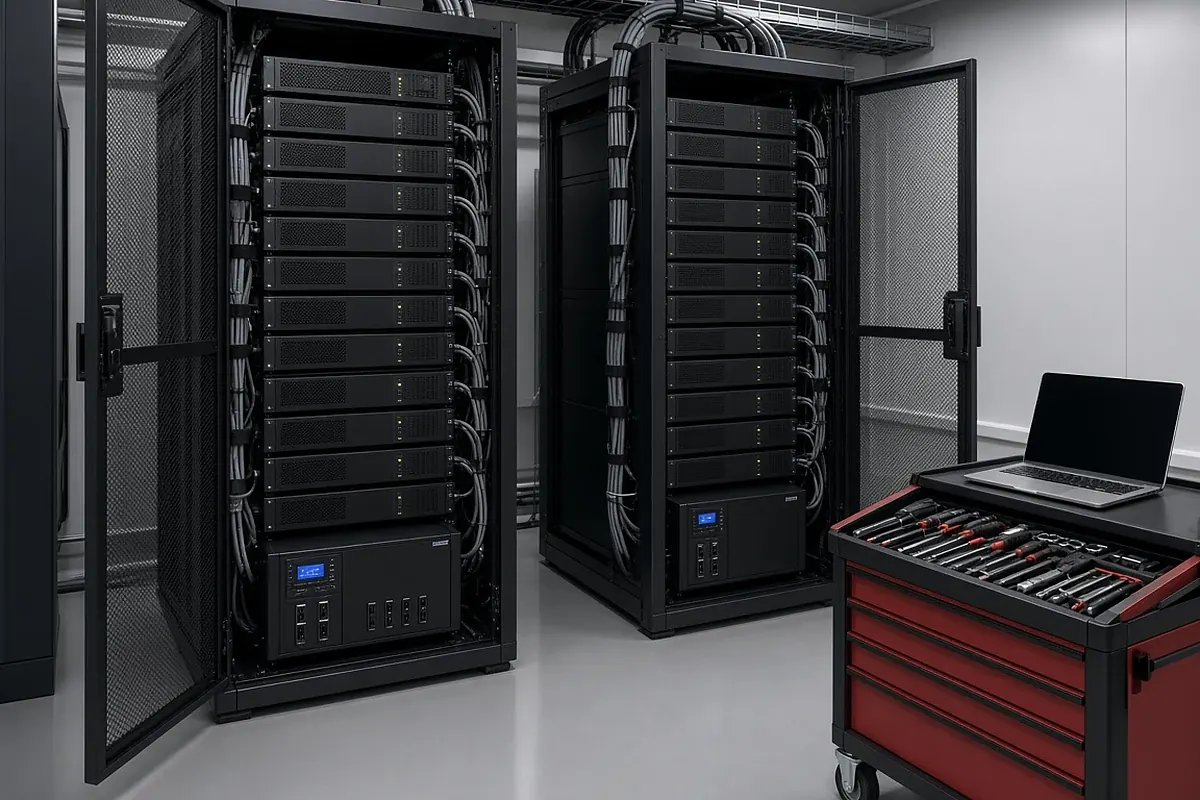
What a commercial AV maintenance contract should include: SLA priorities, response times, preventive visits, spares, reporting and power protection.
An audio-visual system is only valuable while it works. A boardroom codec that fails before an investor call, a video wall dark during an emergency or a lecture hall microphone that stops mid term all cost far more in disruption than the equipment itself. A maintenance contract with a clear service level agreement (SLA) is how organisations keep AV systems reliable after the installation team has left. This guide explains what a good AV maintenance contract should include, and which questions to ask before signing one.
Why AV systems need planned maintenance
AV systems combine computers, networks, displays, audio electronics and software from several makers. Each part receives updates, wears out or is affected by its environment. In Pakistan, that environment is demanding: dust, summer heat, load shedding and generator changeovers all shorten equipment life and cause faults that are hard to trace. Planned maintenance catches problems early, keeps firmware and certificates current, and gives the organisation a single point of contact when something goes wrong.
A maintenance contract also gives your users confidence. When people trust that a room will work, they book it, use it and stop carrying their own adapters and speakers to every meeting.
Preventive and corrective maintenance
A complete contract covers both types of work.
Preventive maintenance
- Scheduled visits to inspect, clean and test every room or system.
- Firmware and software updates, tested before deployment.
- Checks of UPS batteries, surge protection and earthing.
- Cleaning of fan filters, projector vents and display ventilation.
- Verification of microphone coverage, echo cancellation and camera presets.
- Calibration of displays and video walls for brightness and colour uniformity.
- Review of logs and monitoring alerts for early signs of failure.
Corrective maintenance
- Remote diagnosis and fixes where possible.
- On-site attendance for faults that cannot be fixed remotely.
- Repair or replacement of faulty equipment, either from spares or through the manufacturer's warranty.
- Reprogramming or restoring configurations after a failure.
Priority levels and service times
The heart of an SLA is a clear definition of priorities, and of the response and resolution times attached to each one. Typical priority levels are:
| Priority | Example | Expected handling |
|---|---|---|
| Critical | Boardroom, control room or auditorium out of service | Fastest response, remote support immediately, engineer on site as agreed |
| High | A key feature failed, such as one camera or microphone | Response within the working day, fix or workaround quickly |
| Medium | Non critical room affected, or a workaround exists | Scheduled attendance |
| Low | Requests, changes or minor issues | Handled at the next planned visit |
Agree the actual times based on how critical each room is and where it is located. A control room in Islamabad that runs around the clock needs a very different commitment from a meeting room in a branch office. Be clear about the difference between response time, when an engineer starts working on the fault, and resolution time, when the system is working again.
Coverage hours and locations
State the hours of cover: office hours, extended hours or round the clock. List every site and room covered, especially for organisations with offices in several cities such as Lahore, Karachi, Islamabad, Faisalabad and Multan. Ask where the provider's engineers are based, and how they reach each site within the agreed time.
Spares and replacement
Many AV components are imported, and replacement lead times can be long. A good contract addresses this directly:
- A list of critical spares held on site or at the provider's office, such as a spare codec, touch panel, wireless microphone or display module.
- Loan equipment while faulty items are repaired.
- Clear terms for items outside manufacturer warranty.
- Consumables such as projector lamps, filters and batteries, and whether they are included.
Remote monitoring
Modern room systems, DSPs, displays and control processors can report their status over the network. With remote monitoring, the provider sees when a device goes offline, a microphone is muted or a display reports a fault, often before users notice. Remote access must be agreed with the IT department and secured properly, with named accounts, logging and access only when needed.
Reporting and reviews
Ask for regular reports that show tickets raised, response and resolution times, recurring faults, preventive work completed and recommendations. Hold a review meeting at agreed intervals to discuss trends, upcoming end of life equipment and planned upgrades. Reports turn maintenance from a cost into a source of information for planning.
Exclusions and responsibilities
A fair contract states what is not covered and what the client must provide. Typical points include damage from misuse or unauthorised changes, faults caused by building power or network problems outside the AV system, and access to rooms for scheduled visits. Because power problems are so common in Pakistan, include UPS and surge protection checks in the scope, and agree how power related failures will be handled.
Documentation and handover
The provider should keep an asset register with serial numbers, firmware versions, warranty dates and configuration backups for every device. Make sure these records belong to the client and are handed over if the contract ends. Without them, the next provider starts from zero.
Plan for end of life
Every system eventually reaches the point where repair is no longer sensible. Operating systems stop receiving updates, meeting platforms drop support for older devices, and spare parts become hard to find. A good maintenance partner tracks these dates in the asset register and warns you well in advance, so replacements can be budgeted and scheduled rather than forced by a failure on the day of an important meeting.
Questions to ask before signing
- Which rooms and devices are covered, and which are excluded?
- What are the response and resolution times for each priority?
- Where are your engineers based, and how many are trained on our systems?
- Which spares do you hold, and where?
- How often are preventive visits, and what does each visit include?
- How are firmware updates tested before deployment?
- What reports will we receive, and how often?
Frequently asked questions
What is an AV SLA?
A service level agreement defines the support an AV maintenance provider will deliver, including priority levels, response and resolution times, coverage hours and reporting.
What is the difference between response time and resolution time?
Response time is how quickly an engineer starts working on a fault. Resolution time is how quickly the system is working again.
Is manufacturer warranty enough?
Usually not. Warranty covers faulty parts, but not diagnosis, on-site attendance, reprogramming, updates or preventive maintenance.
How often should preventive maintenance visits happen?
It depends on how critical the systems are and their environment. Critical rooms and dusty or hot sites need more frequent visits.
Can AV systems be monitored remotely?
Yes. Most modern devices report status over the network, allowing faults to be detected and often fixed remotely, with secure access agreed with IT.
Should UPS maintenance be part of the AV contract?
Yes. In Pakistan, UPS batteries and surge protection protect the whole AV system, so they should be checked during every preventive visit.
Keep your systems running
Media K Solutions designs and installs audio-visual systems, security and surveillance systems and technology infrastructure for organisations in Pakistan. We also offer support contracts (SLAs) for AV systems, so if you would like your meeting rooms, auditoriums or control rooms looked after long after handover, ask us about a support contract shaped around your sites and working hours.
Speak to Media K Solutions: call or WhatsApp +92 300 846 7101, or email info@mediaksolutions.com.
Planning a project? Call +92 300 846 7101, email info@mediaksolutions.com or request a quote.