- Call / Whatsapp : +92 300 8467101
- PKR - Pakistan

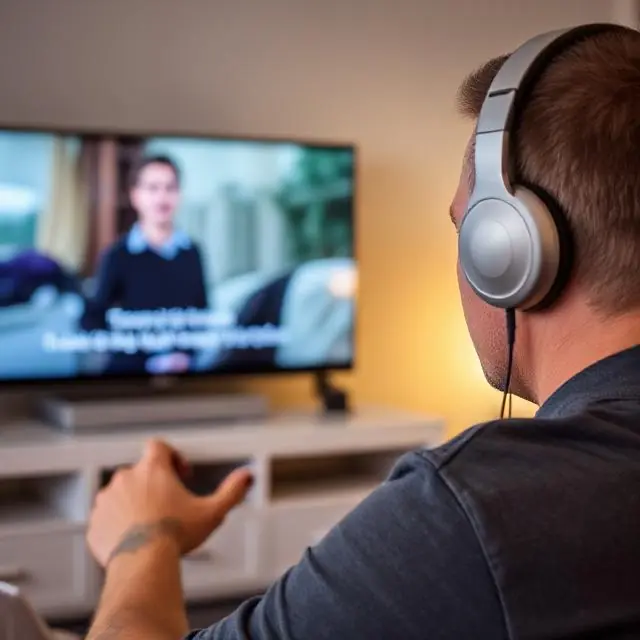
In a world where digital media dominates, sound plays as crucial a role as visuals. Whether it’s a film, a podcast, a virtual meeting, or a streaming service, clear audio defines the experience. Yet millions of people face barriers when speech and dialogue are hard to understand. Audio accessibility and dialogue enhancement have become essential for content creators, streaming platforms, and businesses that want to reach broader audiences while improving user satisfaction.
This blog explores what audio accessibility means, why dialogue enhancement matters, and how technology is reshaping how we listen.
Audio accessibility refers to making sound-based content understandable and inclusive for all listeners. This includes individuals with hearing impairments, non-native language speakers, or anyone in noisy environments. The goal is to remove obstacles that prevent people from fully engaging with spoken content.
Audio accessibility goes beyond captions or transcripts. It also includes enhancements such as speech clarity, background noise reduction, and audio mixing strategies that ensure dialogue stands out clearly.
Dialogue is the heart of storytelling. In movies, TV shows, and even corporate presentations, if the dialogue is lost, the message is lost. Dialogue enhancement focuses on improving the intelligibility of speech so that it cuts through music, sound effects, or ambient noise.

Overpowering background music
Sound effects masking voices
Poor microphone quality during recording
Accents or rapid speech that make words difficult to follow
Listening environments with competing noise
When dialogue is enhanced, it not only improves accessibility for those with hearing difficulties but also delivers a smoother experience for every listener.
Improving audio accessibility and dialogue clarity does not just serve a niche audience. It impacts how every user consumes content. Consider the following:
Streaming audiences often watch shows in noisy environments or with low volume.
Remote workers rely on clear audio in virtual meetings to avoid miscommunication.
Podcasts and audiobooks become more enjoyable when the narration is crisp and intelligible.
Global audiences benefit from speech clarity when listening in a non-native language.
By focusing on audio accessibility, creators enhance both inclusivity and engagement.
Advances in audio technology are opening new doors for accessible listening. Several tools and methods are becoming industry standards.

Artificial intelligence algorithms can separate voices from background noise, making speech stand out without compromising the richness of the audio track.
This technique reduces the volume difference between loud and soft sounds, making dialogue more consistent and easier to follow.
Streaming services and devices are offering user-controlled audio modes where viewers can adjust speech clarity to their preference.
For live events and venues, technologies such as Bluetooth hearing aid compatibility and real-time captioning are transforming accessibility.
Content creators and businesses can take proactive steps to ensure their audio is accessible and clear. Here are practical strategies:
Prioritize microphone quality: Capture clean dialogue at the source.
Use proper mixing techniques: Balance music and effects without overwhelming speech.
Incorporate subtitles and captions: Support diverse audiences, especially for streaming.
Offer multiple audio tracks: Provide versions optimized for dialogue clarity.
Test in different environments: Ensure speech is audible on headphones, speakers, and mobile devices.
These steps not only address accessibility needs but also elevate the overall production value.
Major platforms like Netflix and Amazon Prime Video have already introduced audio description tracks and dialogue boost features. These ensure that every viewer, regardless of ability or environment, can enjoy the story.
Online courses rely heavily on spoken content. Clear audio improves comprehension for students, particularly in international classrooms where English may not be the first language.
In business, misheard dialogue in virtual meetings can lead to errors and lost productivity. Enhancing clarity is essential for hybrid workplaces.
From airports to stadiums, clear public announcements are vital for safety and accessibility. Dialogue enhancement technologies ensure that critical information reaches everyone.

Investing in audio accessibility and dialogue enhancement is not only ethical but also strategic. Brands and platforms that prioritize inclusive sound stand to gain:
Wider audience reach: Millions of people with hearing impairments become potential consumers.
Higher customer satisfaction: Clearer dialogue equals fewer complaints about sound quality.
Stronger brand reputation: Inclusive practices position companies as forward-thinking.
Regulatory compliance: Many regions have accessibility standards that businesses must meet.
By embedding accessibility into audio production, organizations future-proof their offerings and build trust with audiences.
The future of audio accessibility lies in personalization and AI. Expect to see more adaptive systems that adjust sound automatically based on the listener’s environment, hearing profile, or device. For instance:
Smartphones and smart TVs offering automatic dialogue boost modes.
Real-time AI-driven captioning across live content.
Voice assistants that tailor speech clarity to individual needs.

This evolution will continue to blur the line between accessibility features and mainstream convenience.
Audio accessibility and dialogue enhancement are more than technical upgrades. They represent a commitment to inclusivity, user experience, and better communication. From entertainment to education and business, clear dialogue ensures that no one is left out of the conversation.
If you create content, produce media, or manage communications, consider how your audio sounds to every listener. By investing in accessibility, you are not only meeting the needs of those with hearing challenges but also elevating the listening experience for all.
Ready to make your audio more accessible? Explore tools, strategies, and services that help you optimize dialogue clarity and create content that speaks to everyone.
We are proud of the quality of service we provide for all orders and questions from customers. Our customer care team's combined experience and skills, together with our wide choice of products and quick order fulfilment, have helped us establish a solid reputation for providing excellent customer support & service.
Any Query Related Sales
09:00AM to 06:00PM
We welcome comments and feedback about how easy you find the Media K Solutions website to use, which can be communicated by clicking on the Contact Page. If you have questions about delivery, products, service or anything else for that matter, please contact us via live-chat, during office hours, email or telephone. Thanks

 en-gb
en-gb Germany