- Call / Whatsapp : +92 300 8467101
- PKR - Pakistan

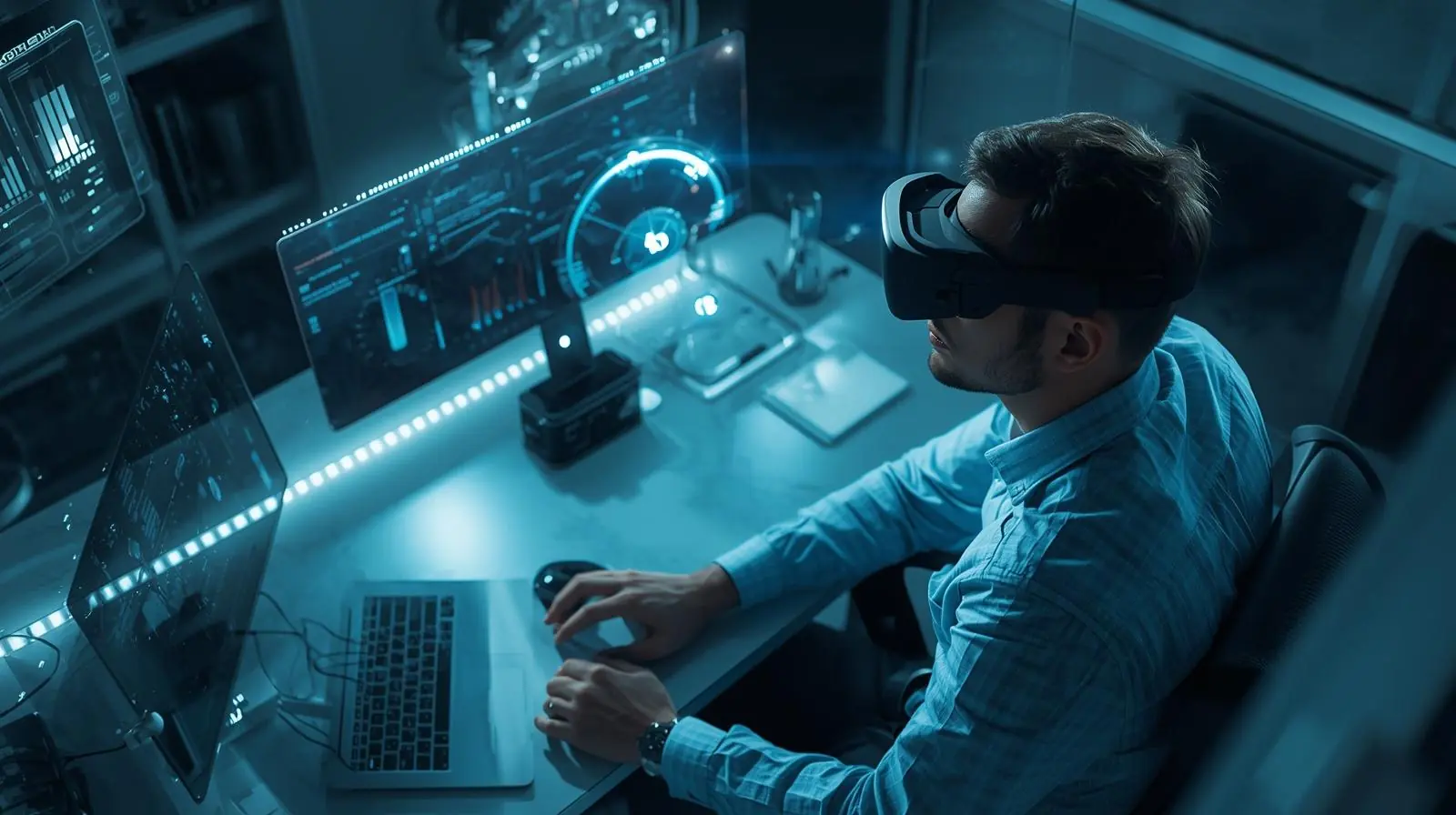
The boundaries between the physical and digital worlds are rapidly disappearing. Augmented reality (AR), virtual reality (VR), and extended reality (XR) are no longer futuristic concepts. They are powerful technologies reshaping industries, from healthcare to retail, entertainment, education, and beyond. Organizations that invest in AR VR XR integration are finding new ways to connect with users, streamline operations, and create immersive experiences that drive real value.
This article explores how AR, VR, and XR work together, why integration matters, and how businesses can harness these technologies to stay competitive in the evolving digital landscape.
Before exploring integration strategies, it is important to understand the differences between AR, VR, and XR.

AR overlays digital information onto the real world. Through smartphones, AR glasses, or specialized headsets, users can view 3D models, directions, or interactive data on top of their physical surroundings. Popular examples include AR filters in social media apps and AR-powered navigation in retail or logistics.
VR immerses users in a fully digital environment. With VR headsets, users can explore 3D spaces, simulate real-world scenarios, or interact with virtual objects. From gaming and employee training to architectural design, VR provides controlled and engaging simulations.
XR is the umbrella term that combines AR, VR, and mixed reality (MR). It enables seamless integration across multiple immersive technologies, allowing organizations to build flexible applications that adapt to different devices and use cases.
Businesses are moving beyond standalone applications of AR or VR. Integration creates a connected ecosystem where technologies complement each other for more powerful results.
Key benefits include:
Enhanced user engagement through interactive and immersive experiences.
Cross-platform flexibility for employees and customers across AR and VR devices.
Scalable training solutions with both real-world overlays and fully simulated environments.
Improved collaboration across distributed teams with shared XR workspaces.
Data-driven insights by combining virtual environments with real-world analytics.
Surgeons can use AR overlays during procedures for real-time guidance.
VR simulations allow medical students to practice without risk.
XR integration ensures seamless transitions from real-world operations to digital training labs.

AR enhances classroom learning with interactive 3D models.
VR enables virtual field trips to historical sites or scientific simulations.
XR platforms unify these experiences into cohesive digital curricula.

AR enables customers to try products virtually before buying.
VR stores allow immersive shopping experiences.
XR integration creates omnichannel solutions that connect digital stores with physical retail.

AR assists in equipment maintenance with step-by-step overlays.
VR offers immersive design and prototyping environments.
XR combines both for end-to-end product lifecycle management.

AR-driven games bring characters into the physical world.
VR provides deeply immersive gameplay.
XR integration allows cross-platform engagement, expanding revenue opportunities.

Integration relies on a combination of hardware, software, and cloud-based systems.
Key components include:
Headsets and smart glasses such as Oculus, HoloLens, or Magic Leap.
AR/VR development platforms like Unity and Unreal Engine.
Cloud infrastructure for real-time data synchronization.
APIs and SDKs that connect different immersive technologies into unified XR platforms.
By combining these technologies, businesses can create cohesive experiences that move seamlessly between AR, VR, and XR environments.
While the opportunities are significant, integration comes with hurdles that organizations must address.
Hardware costs for advanced headsets and devices.
Development complexity across multiple platforms and technologies.
User adoption barriers due to unfamiliarity with immersive tools.
Data security and privacy concerns in connected environments.
Scalability issues when deploying AR and VR solutions enterprise-wide.
Addressing these challenges requires strategic planning, strong partnerships with technology providers, and a clear focus on user experience.
The future of AR VR XR integration looks promising as hardware becomes more affordable and software platforms grow more sophisticated. Emerging trends include:
5G-powered XR for seamless real-time streaming of immersive content.
AI-driven personalization that adapts AR/VR content to individual preferences.
Haptic feedback and wearable tech that enhance immersion.
Metaverse development driven by XR technologies that enable persistent virtual worlds.
Cross-industry adoption in logistics, defense, real estate, and tourism.
These trends point toward a future where immersive experiences become a core part of daily life and business operations.

To maximize ROI and user engagement, organizations should follow structured strategies.
Define clear objectives: Identify business problems AR VR XR integration can solve.
Start small: Pilot projects in specific departments before scaling enterprise-wide.
Focus on user experience: Prioritize intuitive and accessible designs.
Leverage cloud and AI: Use advanced analytics for performance optimization.
Train employees: Ensure staff can use immersive tools effectively.
Monitor performance: Track metrics like engagement, training efficiency, or customer satisfaction.
AR VR XR integration is reshaping how people interact with digital and physical environments. From education to healthcare, retail to entertainment, the combined power of these technologies enables organizations to create engaging, scalable, and innovative solutions.
Businesses that adopt AR VR XR integration today will not only enhance user engagement but also future-proof their operations against rapid technological changes.
If you are exploring AR VR XR integration for your organization, now is the time to take action. Start with clear goals, pilot innovative projects, and build immersive experiences that set you apart in the competitive digital economy.
We are proud of the quality of service we provide for all orders and questions from customers. Our customer care team's combined experience and skills, together with our wide choice of products and quick order fulfilment, have helped us establish a solid reputation for providing excellent customer support & service.
Any Query Related Sales
09:00AM to 06:00PM
We welcome comments and feedback about how easy you find the Media K Solutions website to use, which can be communicated by clicking on the Contact Page. If you have questions about delivery, products, service or anything else for that matter, please contact us via live-chat, during office hours, email or telephone. Thanks

 en-gb
en-gb Germany